Blogs
Stay updated with our latest blog posts.


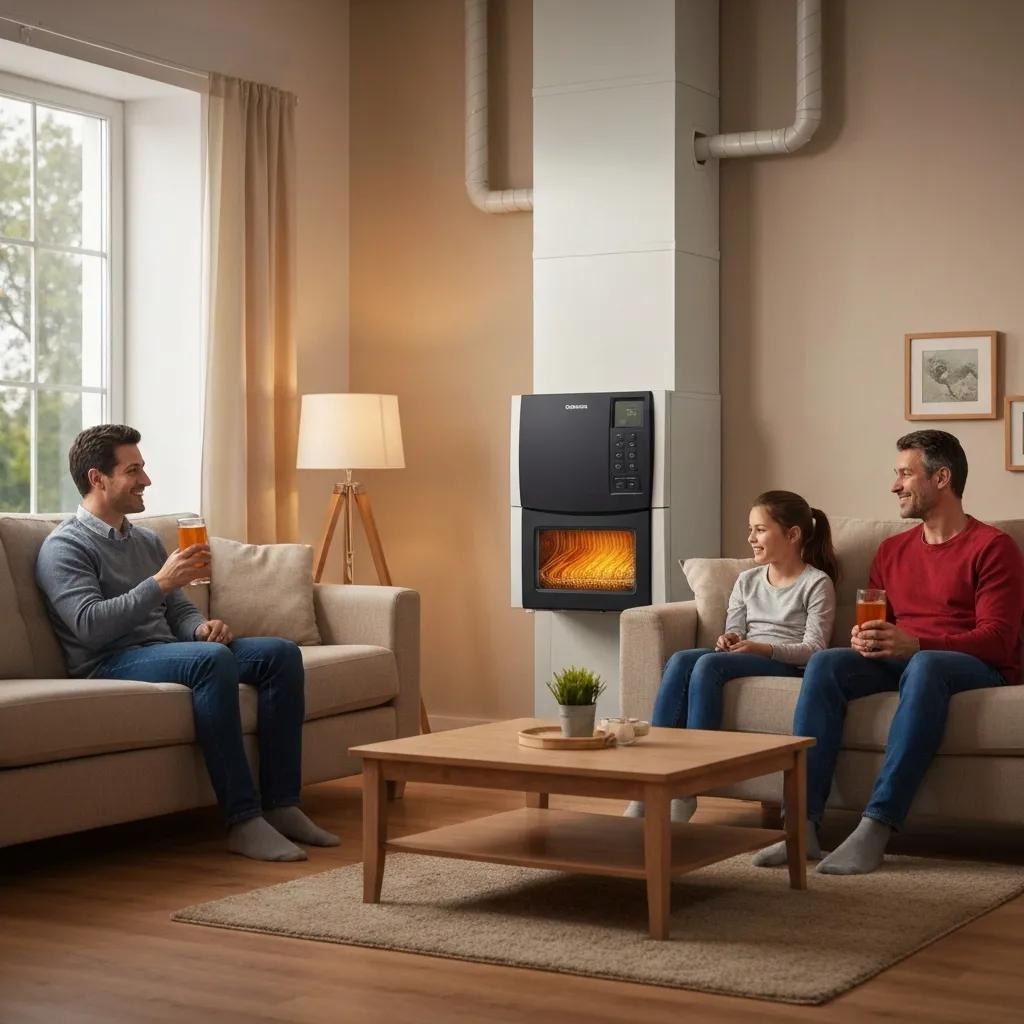
If your furnace isn’t producing enough heat, you’re dealing with reduced comfort, higher energy bills, and — in some cases — safety risks. This guide shows what “not heating properly” looks like, why it happens, and how to run safe, step-by-step checks at home. You’ll get the most common causes — from thermostat and airflow issues to ignition and electrical faults — clear DIY tests you can try, and simple rules for when to call a pro. We also cover preventive maintenance that cuts breakdown risk and list emergency signs that need immediate attention. Practical checklists, comparison tables, and North Texas-specific tips are included so you can fix simple problems fast or schedule expert furnace repair with confidence.
When a furnace won’t warm the house, the problem usually comes from a small set of parts that manage temperature, fuel, airflow, and ignition. Figuring out whether it’s a thermostat signal, blocked airflow, an electrical outage, or an ignition fault helps you run safe homeowner checks and decide if a technician is required. Targeting the likely component cuts unnecessary parts swapping and gets the system back to work faster. The sections below break down the usual scenarios and the quick checks to try before calling for professional service. Here are the six most common causes and why they matter for your first checks:
• Thermostat settings or power issues: Wrong mode or dead batteries stop the furnace from getting a heat call.
• Clogged air filter or blocked airflow: Restricted airflow reduces heat delivery and can cause short cycling.
• Tripped circuit breaker or furnace switch off: A loss of power prevents ignition and the blower from running.
• Ignition/pilot flame or flame sensor problems: A bad igniter or dirty sensor keeps burners from staying lit.
• Gas supply or valve issues (gas furnaces): Low gas pressure or valve faults stop combustion.
• Blower motor or control board failures: Mechanical or electrical control faults prevent heat from reaching your rooms.
These issues point you to targeted checks like thermostat testing, swapping the filter, power inspections, and watching the ignition cycle. If those DIY checks don’t fix it, contact Family Comfort Heating & Air or jump to “When Should You Call a Professional for Furnace Repair in Boyd, TX?” below for next steps.
Quick comparison: the table below matches common components with typical symptoms and safe homeowner actions to help narrow the cause.
• Thermostat — Common Symptom: Furnace won’t start or cycles oddly — Quick Home Action: Confirm mode is Heat, raise the setpoint, swap batteries
• Air filter — Common Symptom: Weak airflow, short cycling, dusty vents — Quick Home Action: Replace the filter and check return vents for blockages
• Circuit breaker / switch — Common Symptom: No power to the furnace — Quick Home Action: Check the breaker panel and the furnace power switch
• Igniter / pilot — Common Symptom: Furnace tries to light but won’t or flame dies — Quick Home Action: Watch the ignition sequence; don’t tamper with gas components
• Gas valve / supply — Common Symptom: No ignition with a gas smell or no gas flow — Quick Home Action: If you smell gas, evacuate and call professionals; don’t flip switches
• Blower motor — Common Symptom: Warm air not reaching rooms, odd noises — Quick Home Action: Check blower access for debris; expect a technician for motor work
This table shows which checks are safe for homeowners and which usually need a technician’s tools or permits. Next, we’ll walk through safe, step-by-step troubleshooting you can do at home.
Cold air from the vents usually points to either an airflow problem or failed ignition. Start with simple, safe checks. First, make sure the thermostat is set to Heat and the setpoint is above room temperature — incorrect settings are a common cause. Second, inspect and replace a clogged filter — restricted airflow can trigger safety limits that shut off burners while the fan keeps running. Third, check vents and duct dampers to ensure they’re open and unblocked. If the thermostat and airflow are okay, watch whether the furnace tries to ignite; if the blower runs without ignition, that suggests an igniter, flame sensor, or gas issue and likely needs a pro.
Fixing the immediate cold-air symptom often restores comfort quickly, but noting the ignition behavior, error lights, or strange sounds helps your technician diagnose the root cause more efficiently. The next section covers thermostat-related issues and how they affect furnace operation.
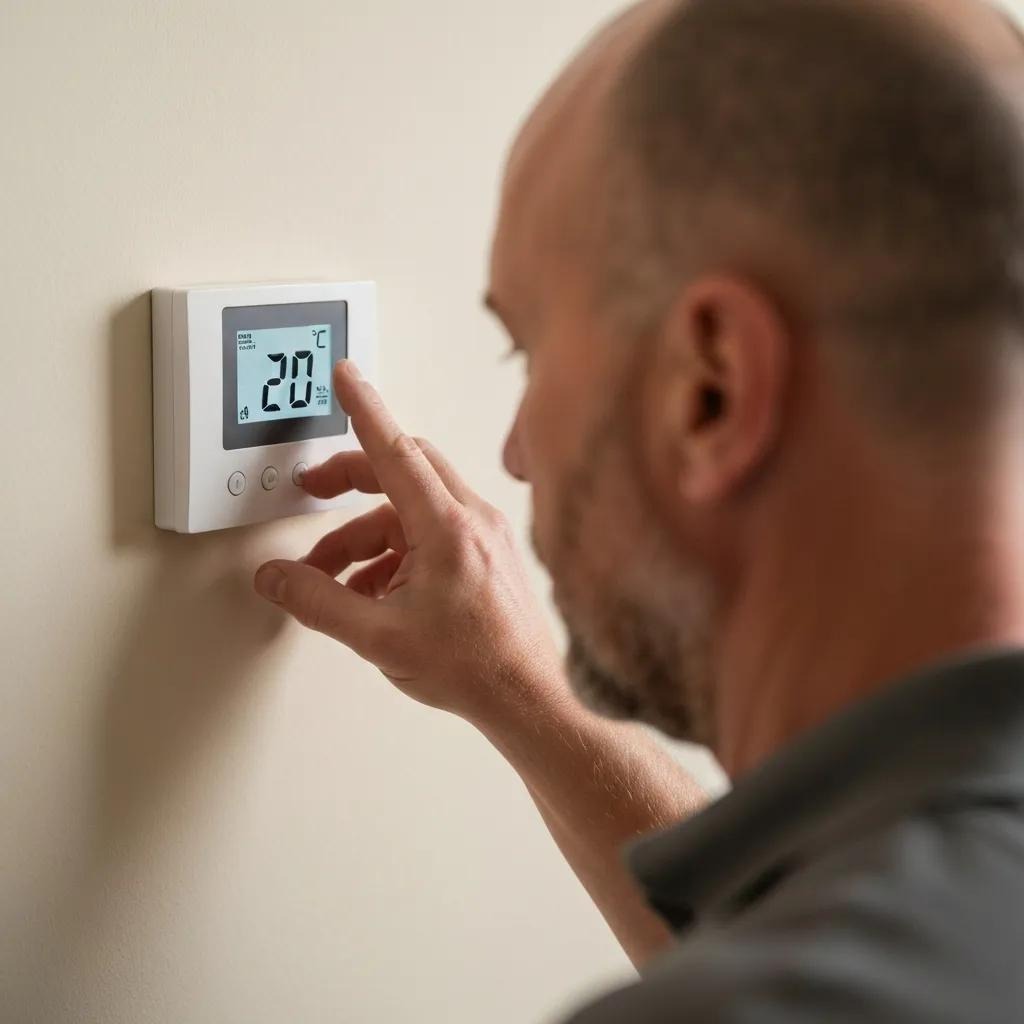
Thermostats cause many service calls because they’re the system’s control center. Common problems include wrong mode (fan or cool instead of heat), an active schedule on programmable models, weak batteries, or poor thermostat placement that leads to false temperature readings. Smart thermostats add extra points of failure — Wi‑Fi outages, software schedules, or sensor miscalibration can stop a proper heat call. Check the display, replace batteries if needed, and try a manual override or higher setpoint to see if the furnace responds. If it still won’t, wiring or control issues may be the culprit and require a technician. Thermostat checks tell you whether the problem is a bad control signal or an issue downstream. The next major section gives a safe, ordered DIY checklist for diagnosing common heating problems.
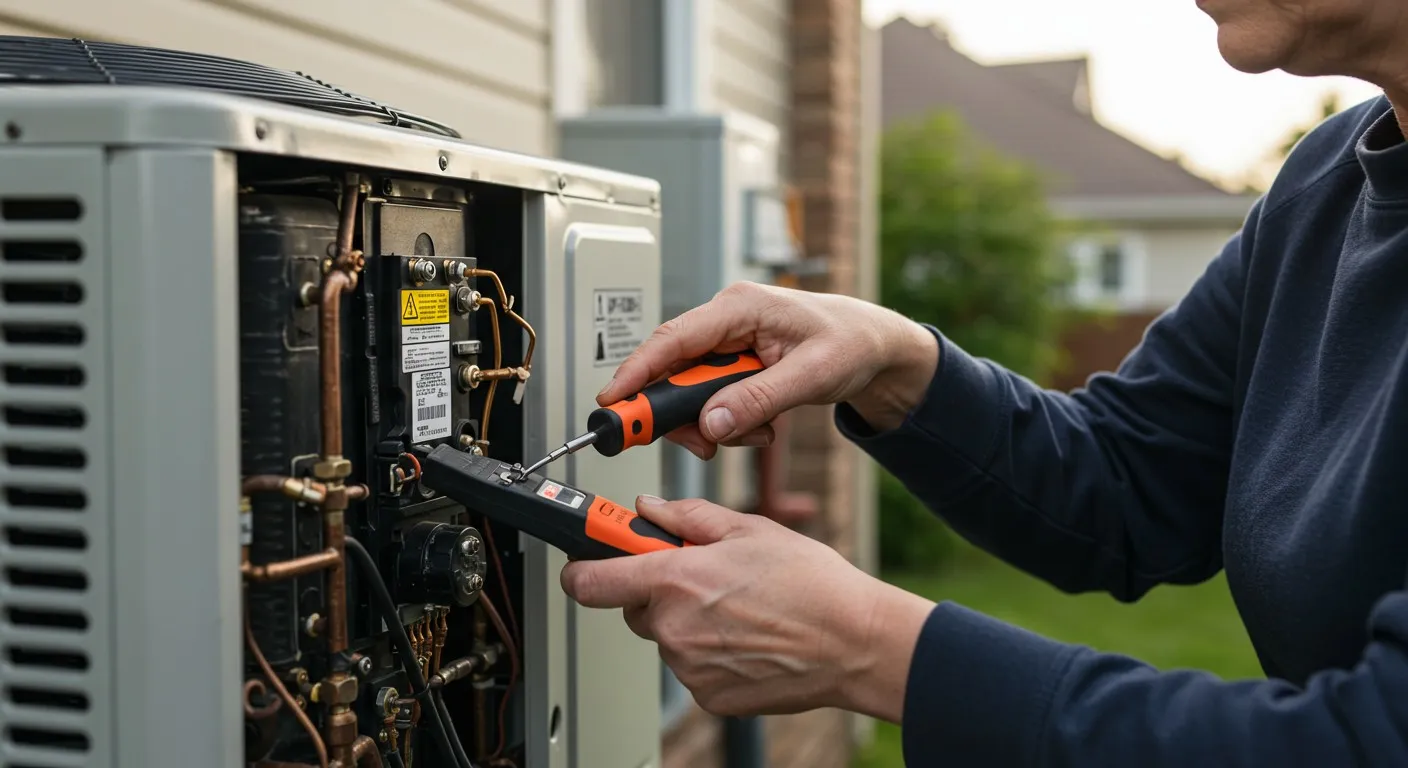
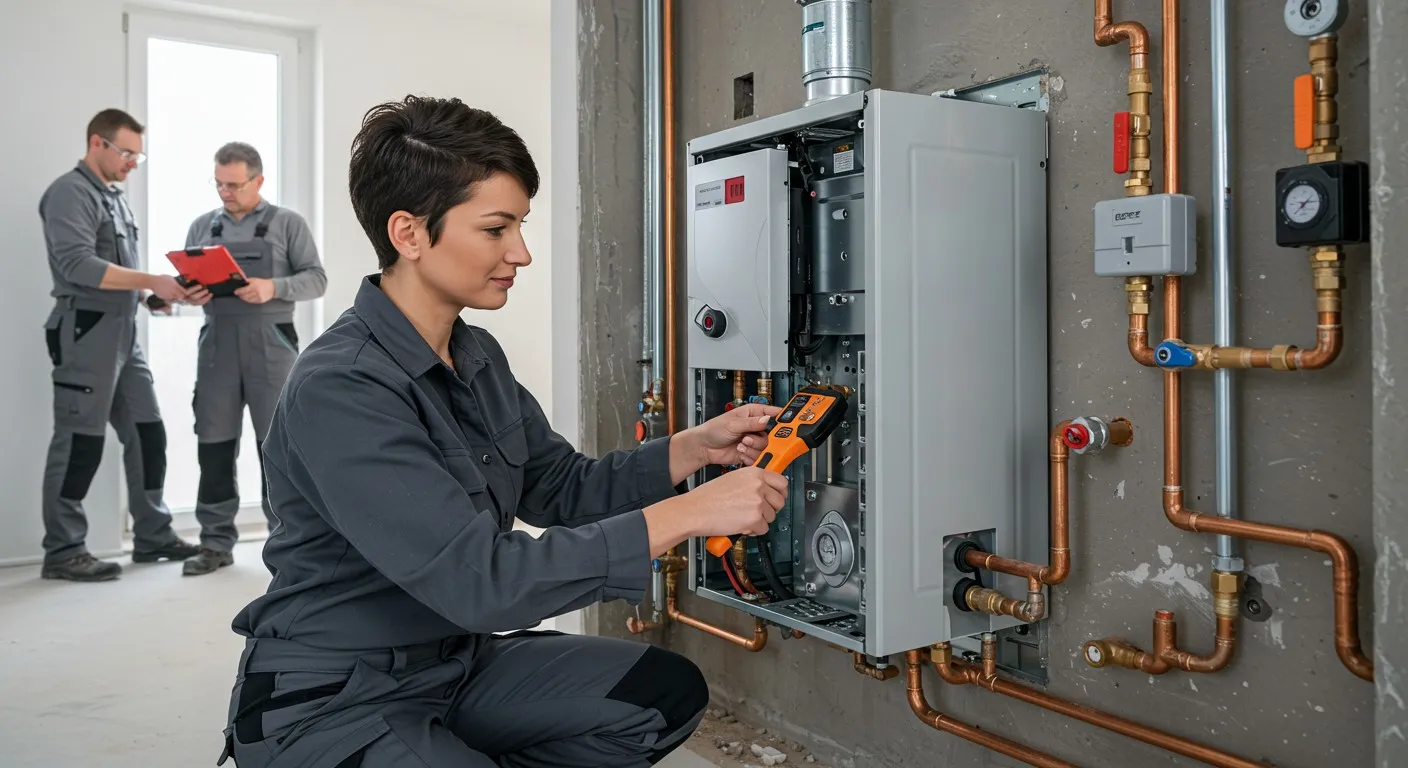
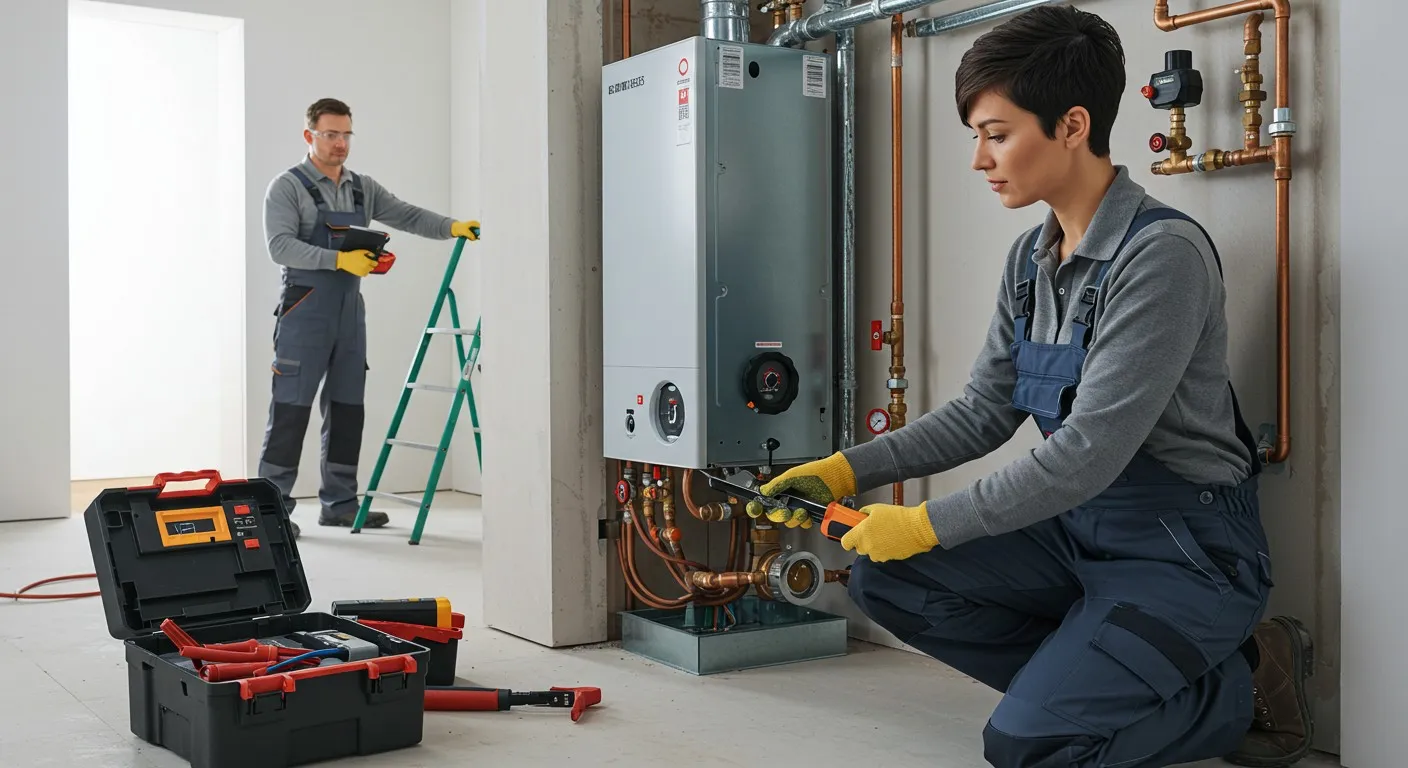
Safety first: always shut off power before removing panels, never work on gas components unless you’re certified, and leave the house if you smell gas. Safe homeowner troubleshooting focuses on non-invasive checks: verify the thermostat, swap the filter, check power and breakers, inspect vents and ducts, and observe the ignition sequence from the access point without touching gas lines. These checks prioritize your safety while catching fixes that often restore heat — like a dead thermostat battery or a tripped breaker. Below you’ll find a compact tools list and a clear HowTo checklist to follow.
Having the right tools and supplies makes checks faster and safer; the table below summarizes what to have, why it’s useful, and how you’ll use it.
• Flashlight — Why it’s Needed: See inside panels and around the igniter — Typical Use: Inspect burners, wiring, and filter housing
• Multi-bit screwdriver — Why it’s Needed: Open access panels and thermostat covers — Typical Use: Remove panels and tighten loose fasteners
• Replacement air filter — Why it’s Needed: Restore airflow and stop short cycling — Typical Use: Swap filters and note the correct size/MERV rating
• Gloves & dust mask — Why it’s Needed: Protect hands and lungs from dust and debris — Typical Use: Wear when changing filters or cleaning access areas
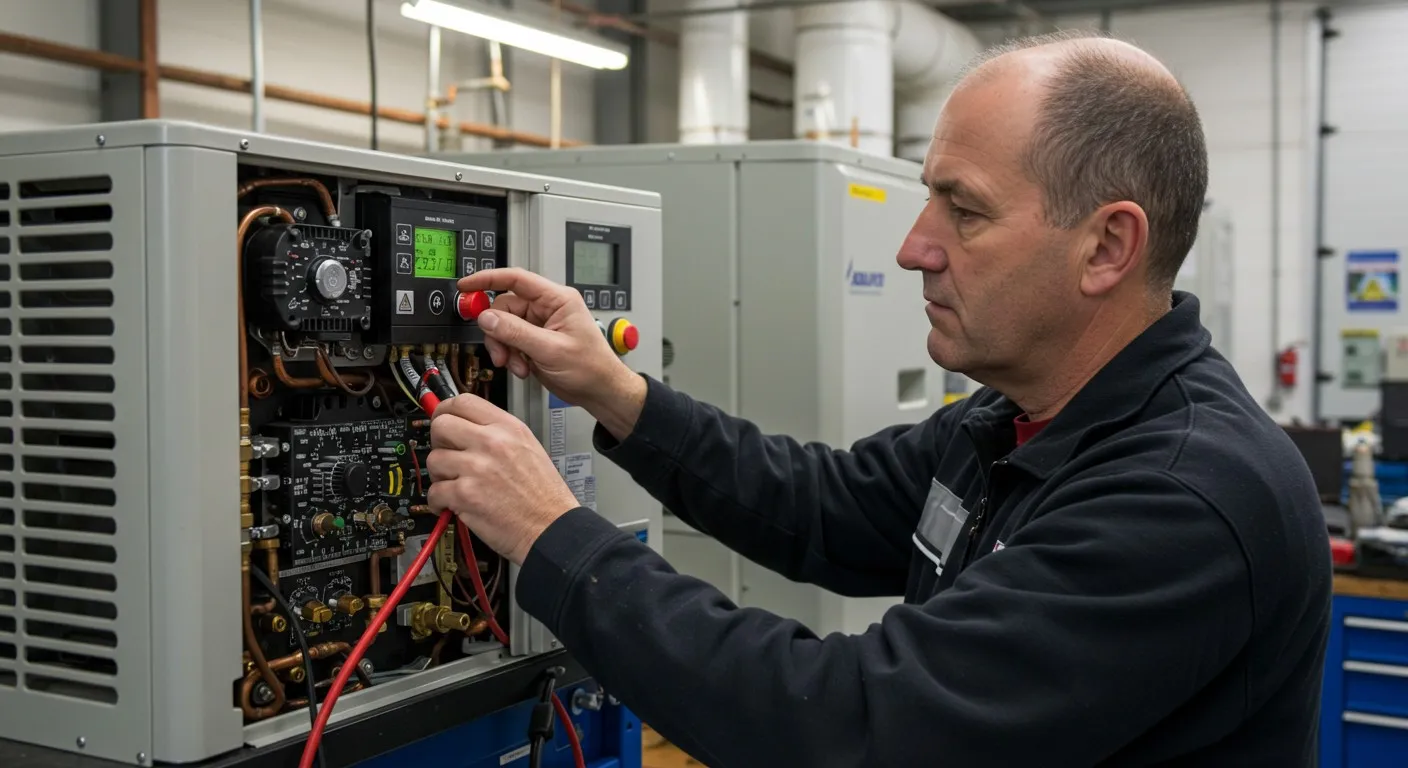
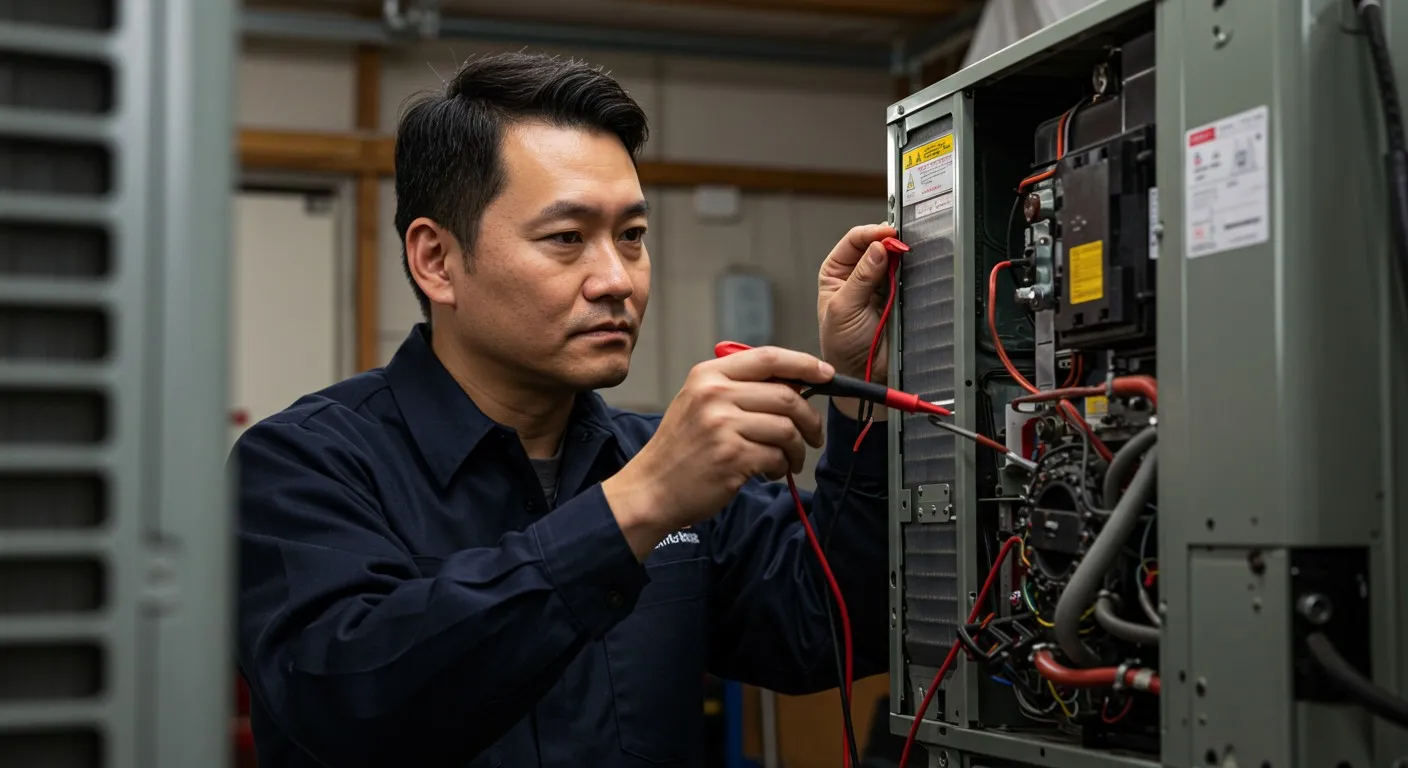
• Multimeter (optional) — Why it’s Needed: Check thermostat wiring and low-voltage power — Typical Use: Verify transformer output and wire continuity (only if comfortable)
That kit readies you for safe, effective checks and highlights when to stop and call a pro. Next is a concise, numbered HowTo checklist to guide your diagnostic flow.
• Confirm thermostat mode and replace batteries to make sure it’s calling for heat.
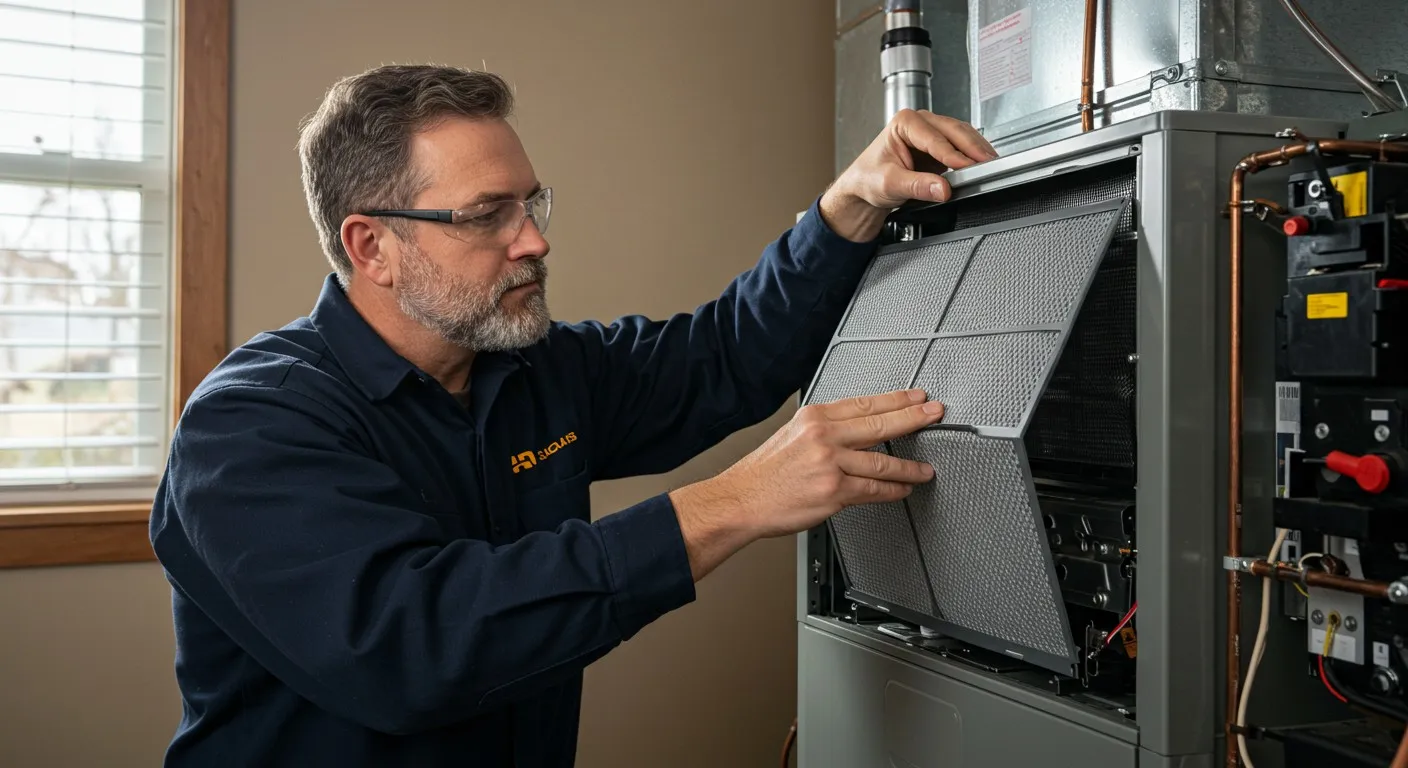
• Turn off power and inspect the air filter; replace it if dirty to restore airflow.
• Check the furnace power switch and circuit breaker; reset any tripped breakers and confirm exterior disconnects are closed.
• With power on, observe the ignition sequence from a safe distance — note clicking, repeated attempts, or error lights; do not open gas lines.
• Make sure supply vents and return grilles are open and unobstructed so air can circulate freely.
These steps focus on high-probability, low-risk fixes so you can decide if the problem is a simple homeowner fix or needs professional tools and training. If these checks don’t help or you smell gas, turn everything off and call for professional assistance right away.
Family Comfort Heating & Air offers 24/7 support if you’d rather have a pro finish diagnostics or address anything unsafe; a qualified technician handles gas, ignition, and electrical repairs safely and correctly.
Use this ordered HowTo checklist to diagnose common “no heat” problems while keeping safety and clear documentation in mind. Start by confirming the thermostat mode and replacing batteries if needed — the thermostat telling the furnace to run is the first thing to confirm. Next, turn off power and inspect the filter and return vents; replace the filter and remove visible blockages. Restore power and check the breaker and furnace power switch; if the furnace still won’t ignite, stand clear and note any error codes or blinking lights on the control panel for your technician. If ignition fails or you detect gas or carbon monoxide alarms, evacuate immediately and call emergency service.
Writing down each step and the outcome speeds diagnosis during a service visit, which often lowers repair time and cost and gets your heat back sooner.
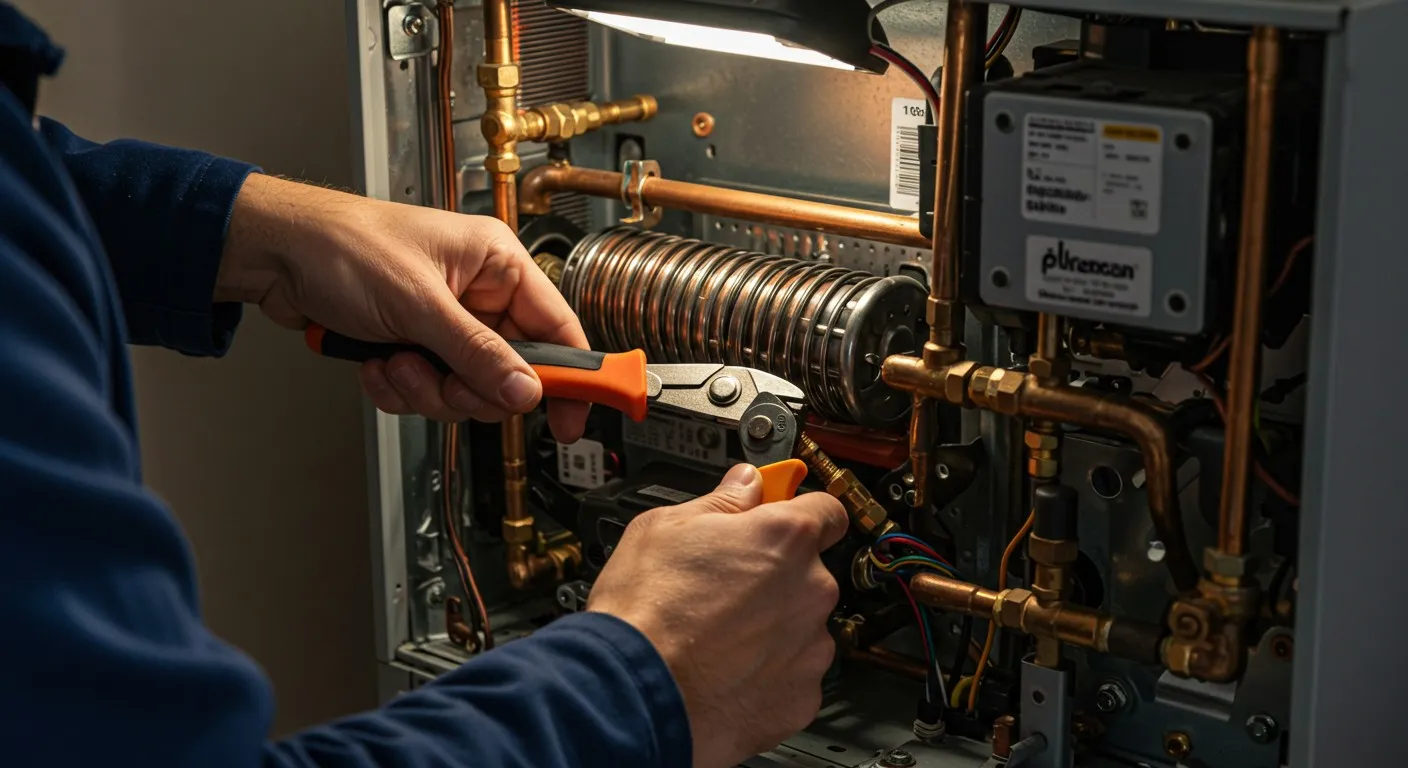
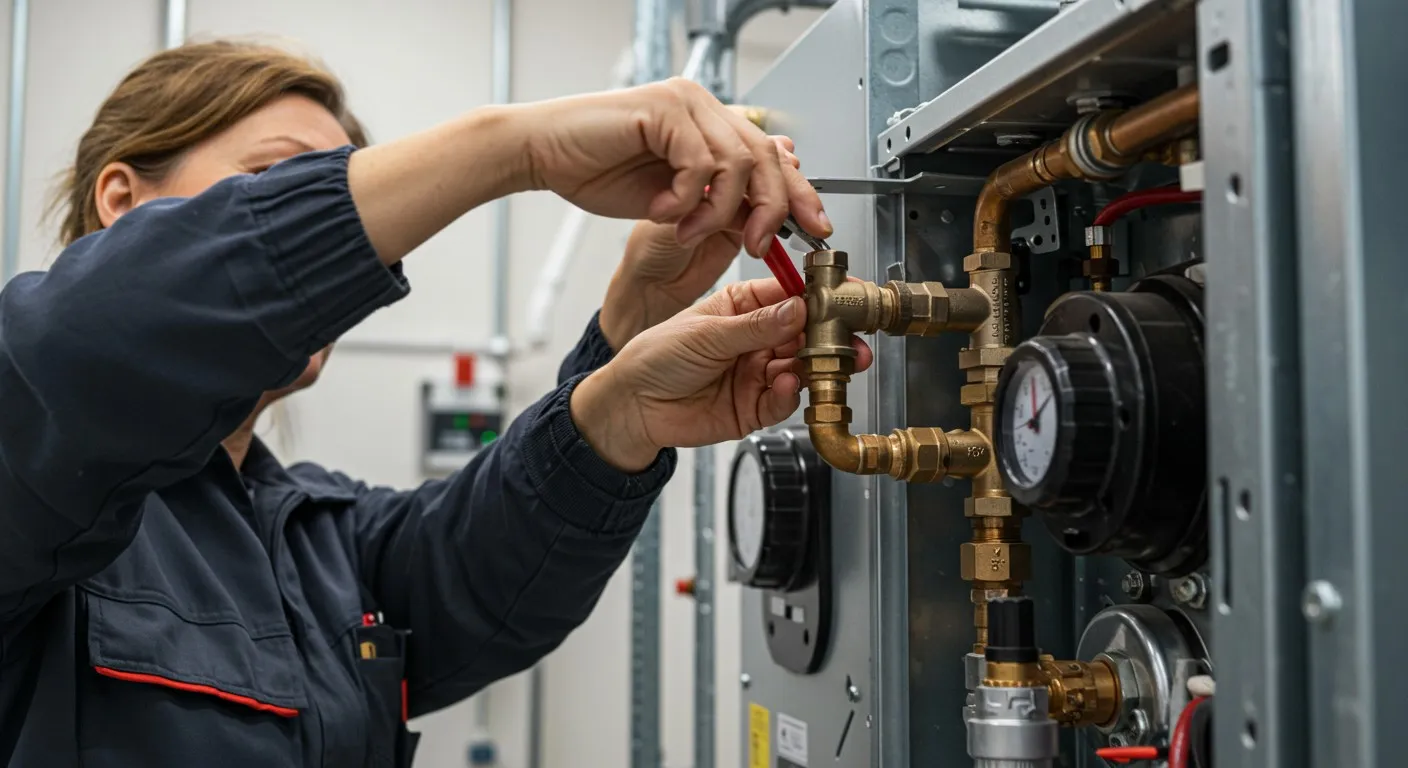
Some furnace issues are safety risks or require special tools and certifications. Call a licensed HVAC tech if you smell gas, see repeated ignition failures, experience ongoing electrical or blower motor issues, find cracks in the heat exchanger, or if the furnace won’t work after safe DIY checks. Professionals should also handle tasks that involve gas valve work, combustion tuning, control-board testing, or parts replacements that affect safety. The table below is a quick risk guide to help you decide whether to call a pro now.
• Gas smell — When to Call (Yes/No): Yes — Why (Safety / Risk): Risk of explosion and poisoning; evacuate and call emergency responders
• Repeated ignition failure — When to Call (Yes/No): Yes — Why (Safety / Risk): May indicate igniter, flame sensor, or gas-supply faults that need tools
• Tripped breaker that resets repeatedly — When to Call (Yes/No): Yes — Why (Safety / Risk): Electrical fault risk; professional diagnosis prevents fire hazards
• Dirty filter causing cycling — When to Call (Yes/No): No (after replacement) — Why (Safety / Risk): Replace the filter and monitor; call if problem continues
• Blower not running with power on — When to Call (Yes/No): Yes — Why (Safety / Risk): Motor or control-board failure requires specialist repair
This risk matrix helps you separate safe homeowner fixes from issues that need licensed technicians. Family Comfort Heating & Air offers diagnostic visits, transparent pricing, and free replacement estimates. To schedule service or request emergency help, contact Family Comfort through the website or our local Boyd listing.
Family Comfort Heating & Air is a family-owned, woman-owned local company offering 24/7 HVAC service with experienced, background-checked technicians who focus on safety and honest pricing. Our diagnostic process starts with a step-by-step inspection of thermostat signals, electrical supply, combustion sequence, and airflow before we recommend repairs or replacement. We provide free replacement estimates and back our work with a satisfaction guarantee. For Boyd-area homeowners, we offer flexible financing and maintenance plans to reduce future breakdowns and improve efficiency. If your furnace fails basic DIY checks or shows dangerous symptoms, scheduling a diagnostic visit with Family Comfort gets you a prompt, professional evaluation and a clear next step.
This helps homeowners choose a local provider with round-the-clock availability; the next section covers routine maintenance that prevents many of the issues described above.
Maintenance boosts efficiency by restoring proper airflow, tuning combustion, and keeping the thermostat and controls accurate — changes that usually show up as lower heating bills. Cleaning burners and changing clogged filters reduce heat transfer losses and stop short cycling that wastes fuel; a well-tuned system runs fewer hours to hold comfort. Catching worn parts early, like a failing blower motor or corroded control board, prevents sudden breakdowns and the higher costs of emergency labor. A maintenance plan lowers downtime, extends equipment life, and makes repair costs more predictable with fewer surprises.
By investing in routine care, homeowners protect comfort and limit long-term expenses; the next section walks through cost and replacement considerations for North Texas homes.
Think about replacement when your furnace is near the end of its expected life, when major parts like the heat exchanger or blower motor fail, or when repeated big repairs signal systemic decline. Other reasons to replace include low seasonal efficiency compared with modern systems and frequent downtime that hurts comfort and safety. If repair costs approach a large share of a new unit’s value or repairs keep recurring, replacement usually offers better long-term value, higher efficiency, and warranty protection. Schedule a diagnostic visit for a replacement estimate to compare long-term operating costs and financing before deciding.
Choosing the right replacement reduces lifetime costs and improves household comfort; the final main section covers emergency signs and how to get urgent service.
Emergency furnace issues need quick action to protect people and property. Know what counts as an emergency and what to do while you wait for help. Emergency signs include a strong gas smell, carbon monoxide alarm activation, a complete loss of heat during extreme cold, or loud, unusual noises that suggest mechanical failure. Immediate steps include evacuating if you smell gas, shutting off the gas only if trained and instructed, ventilating if safe, and calling emergency service. The checklist below summarizes emergency indicators and safe homeowner responses so repair teams can respond quickly.
Recognizing emergencies fast reduces exposure to carbon monoxide and other dangers and gets technicians on site sooner to perform certified repairs. The next subsection lists clear emergency signs that need immediate attention.
Emergency furnace signs and immediate homeowner actions:
• Gas odor present: Evacuate immediately, avoid sparks or switching electrical devices, and call emergency responders.
• Carbon monoxide alarm activation: Evacuate, seek medical care if anyone feels ill, and don’t re-enter until professionals say it’s safe.
• Complete loss of heat during extreme cold: Protect pipes and vulnerable occupants, use safe alternate heating, and request emergency HVAC service.
• Loud bangs or grinding from the furnace: Turn off power if it’s safe to do so and wait for a technician to prevent further damage.
These steps prioritize safety and limit further harm; the next subsection explains how to contact Family Comfort for 24/7 emergency furnace repair in Boyd.
Watch for persistent gas smells, carbon monoxide alarm activation, visible sparks or smoke, and sudden, severe heat loss when outside temperatures threaten pipes or occupant safety. These signs are immediate hazards that require evacuation and professional help — both carbon monoxide and natural gas can poison or explode. Don’t flip switches or use open flames if you suspect a leak; move everyone outdoors until trained technicians declare the house safe. Early recognition and decisive action protect health and speed emergency response.
After you’re safe, call a 24/7 emergency provider for prompt inspection and repair; the closing subsection covers Family Comfort’s emergency availability and how to reach us via public listings or our website.
Knowing the common causes of furnace heating problems lets homeowners take informed, safe steps to keep their homes comfortable. Follow the troubleshooting tips here to resolve simple issues and save on repairs. For complex problems or emergencies, reach out to Family Comfort Heating & Air for professional help and peace of mind. Explore our services to keep your home warm, safe, and efficient all season long.


Stay comfy with 0% Financing for 12 Months on a new HVAC system through Synchrony and Wisetack! No hidden fees, no stress—just easy payments.