Blogs
Stay updated with our latest blog posts.


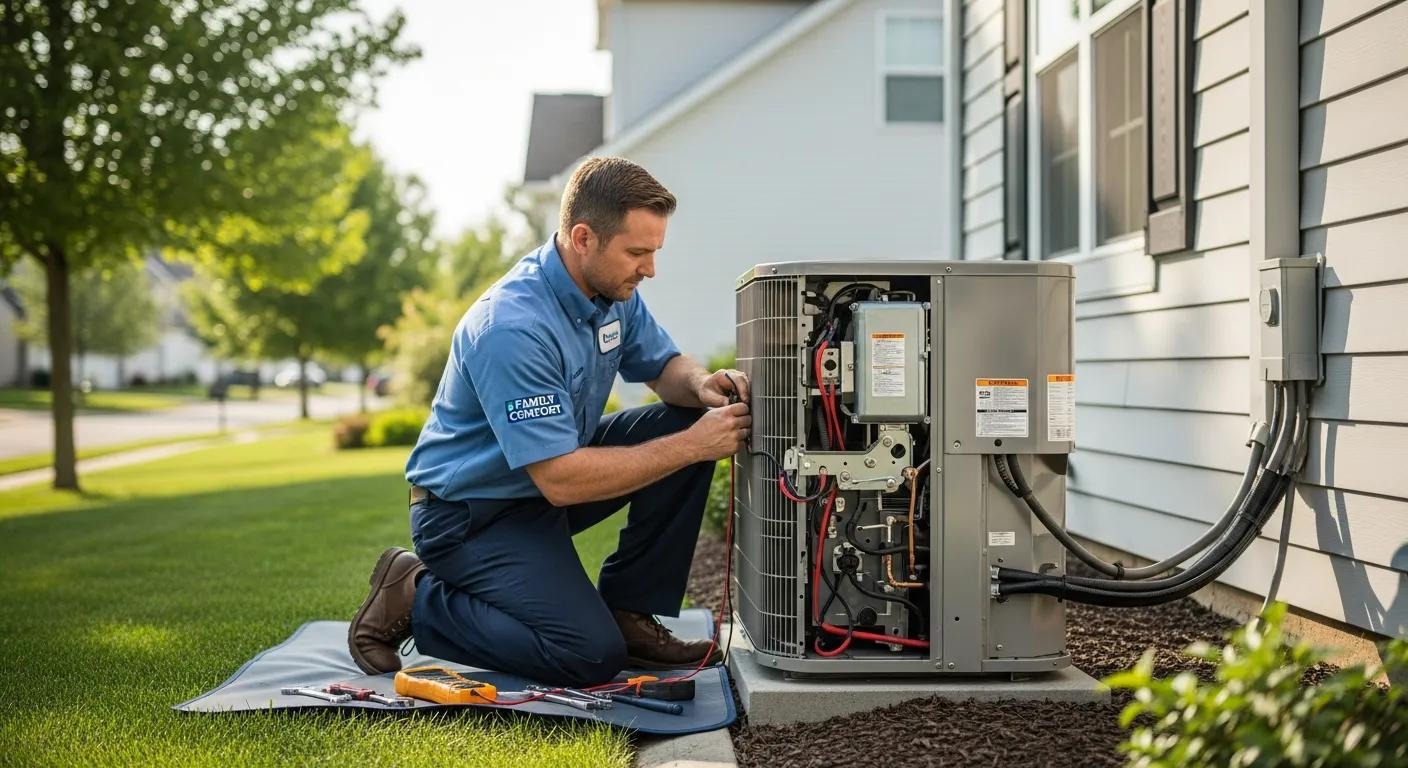
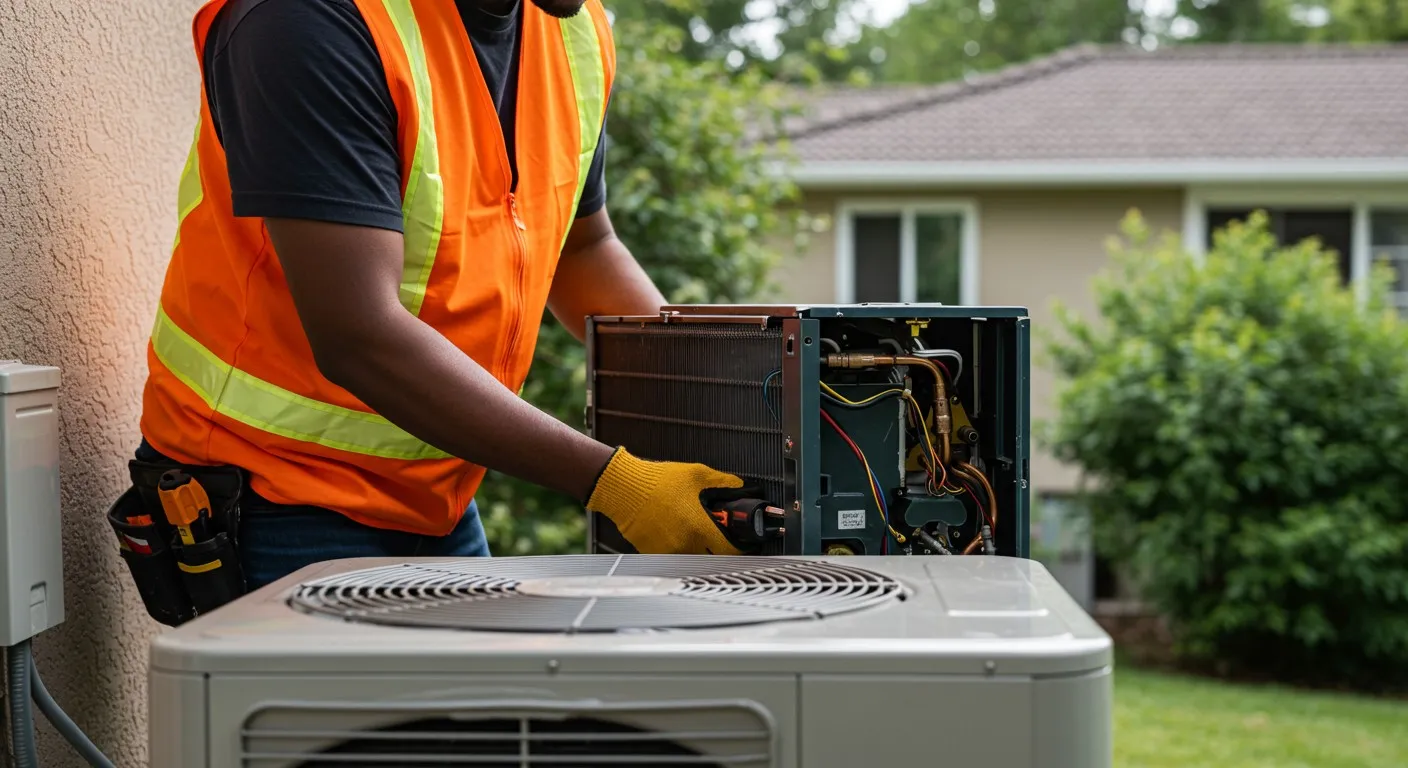
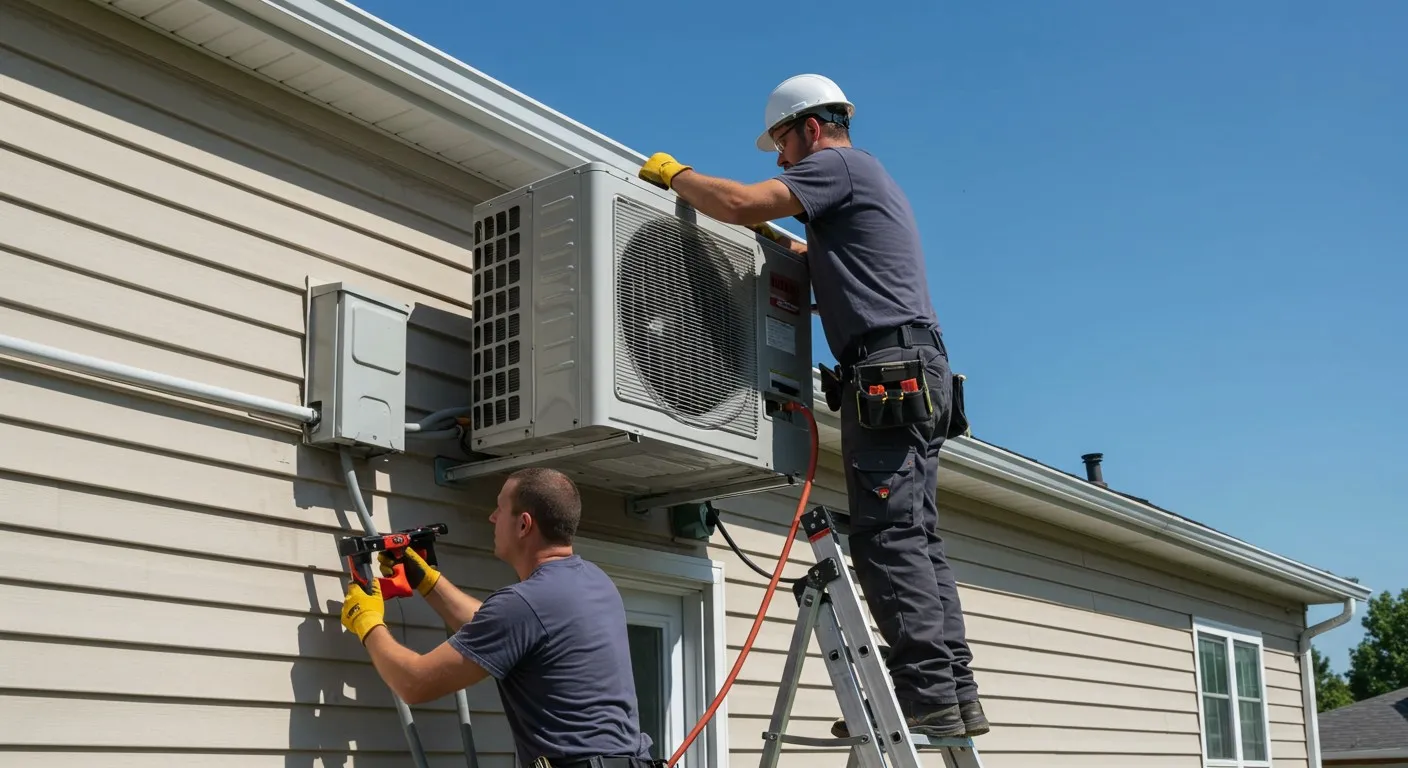
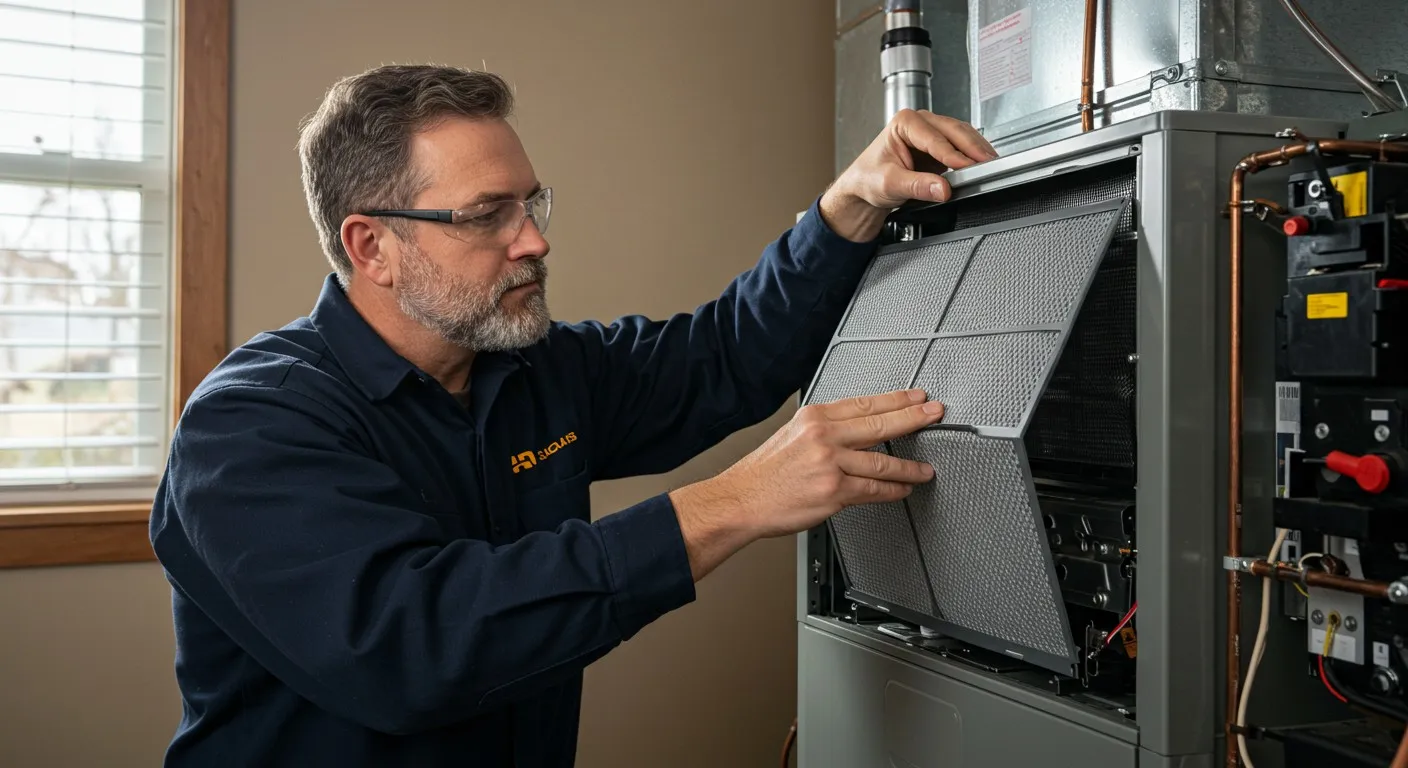
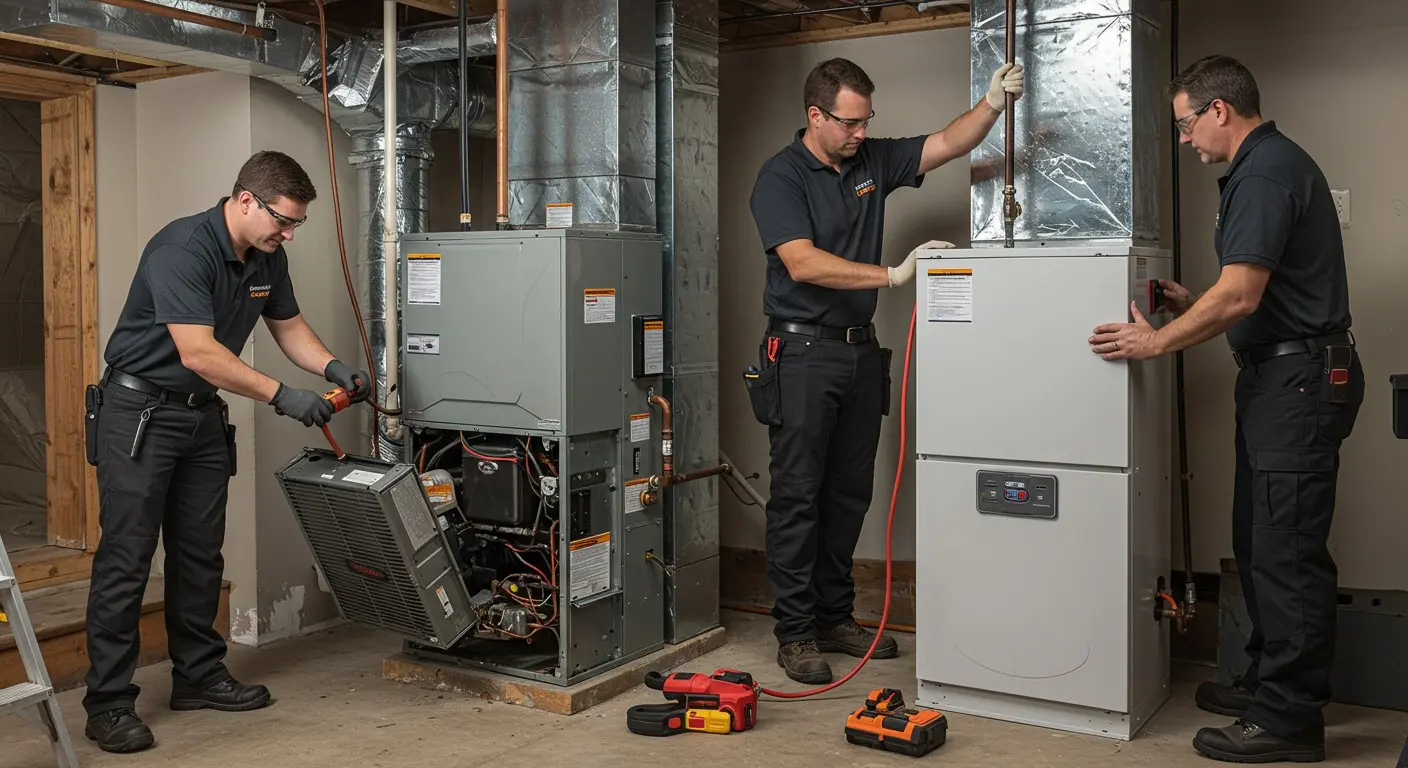
Professional HVAC maintenance is a scheduled inspection and tune‑up performed by trained technicians to keep heating, ventilation, and air conditioning systems running efficiently and reliably. A proper visit includes cleaning or replacing filters, inspecting and lubricating moving parts, checking refrigerant and electrical systems, and verifying overall performance. Those simple, proven actions translate into lower energy bills, fewer surprise breakdowns, and a safer home. Many homeowners in Boyd and nearby communities face rising cooling costs, unexpected repairs, and indoor air concerns—regular service addresses those problems by combining technical diagnostic checks with preventative care. In this guide we’ll cover the real benefits of scheduled maintenance, how technicians spot small failure modes early, why upkeep matters for warranties, and practical scheduling tips for AC maintenance in Boyd and furnace maintenance in Boyd. We’ll also make clear what DIY tasks are safe and which jobs should be left to a pro, plus how an annual maintenance plan can deliver measurable energy savings and priority service. Read on for straightforward steps to improve comfort, protect your investment, and lower the total cost of ownership for AC maintenance in Boyd and furnace maintenance in Boyd.
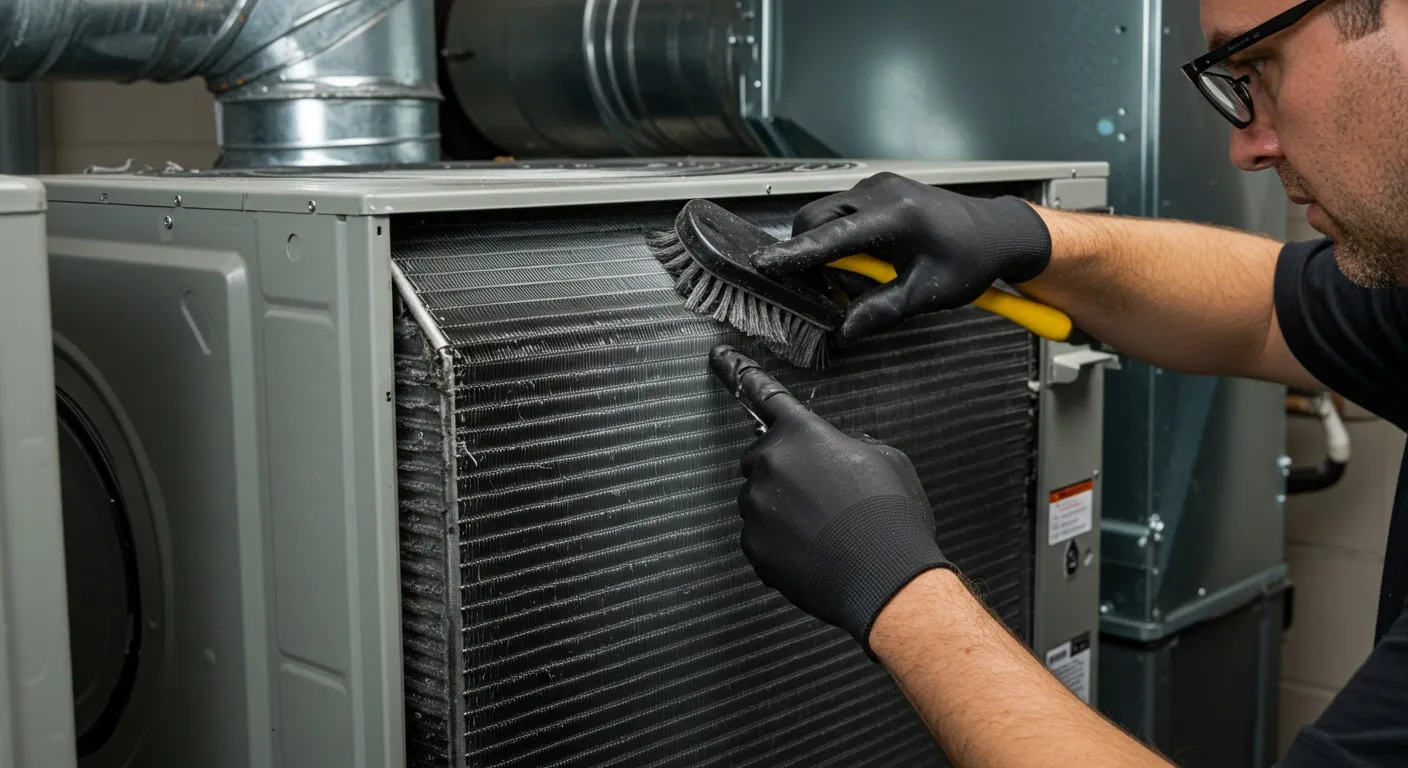
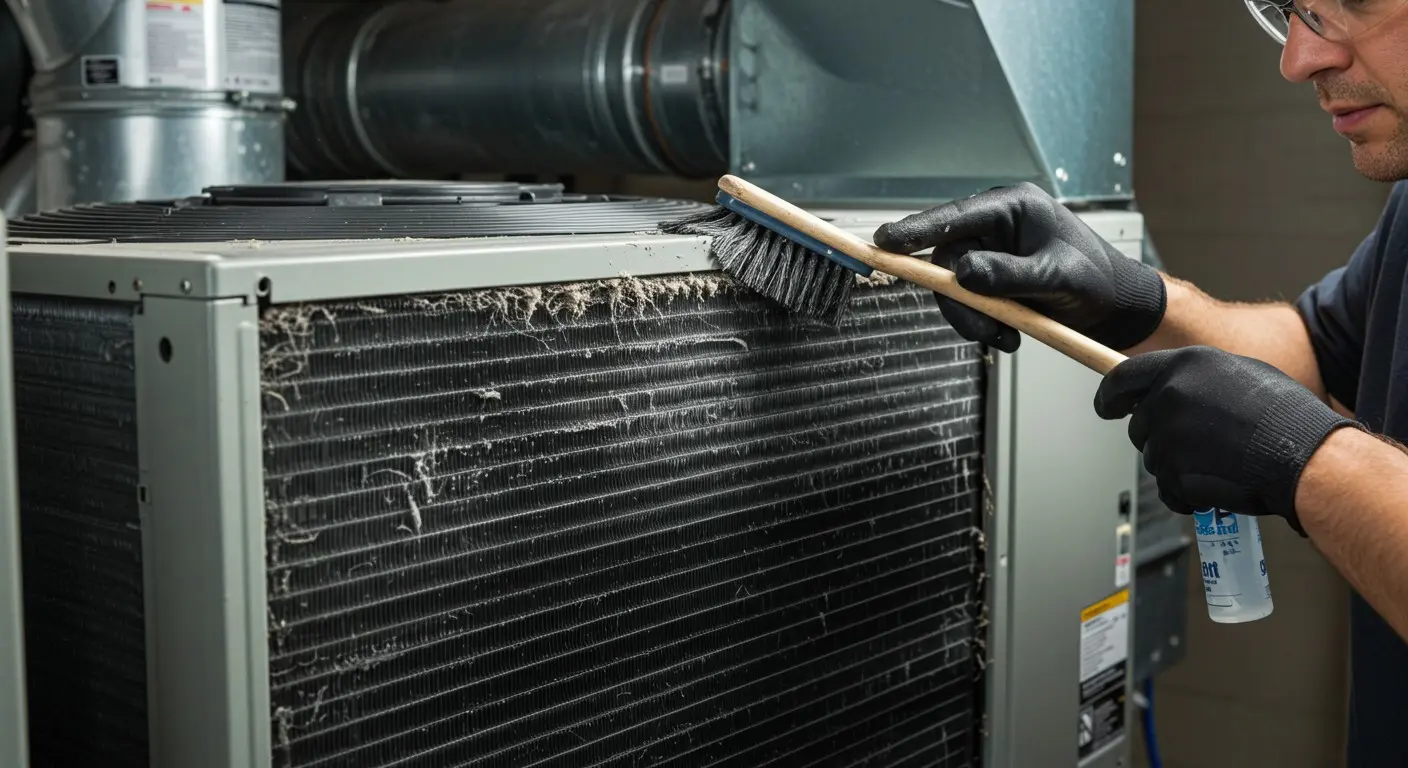
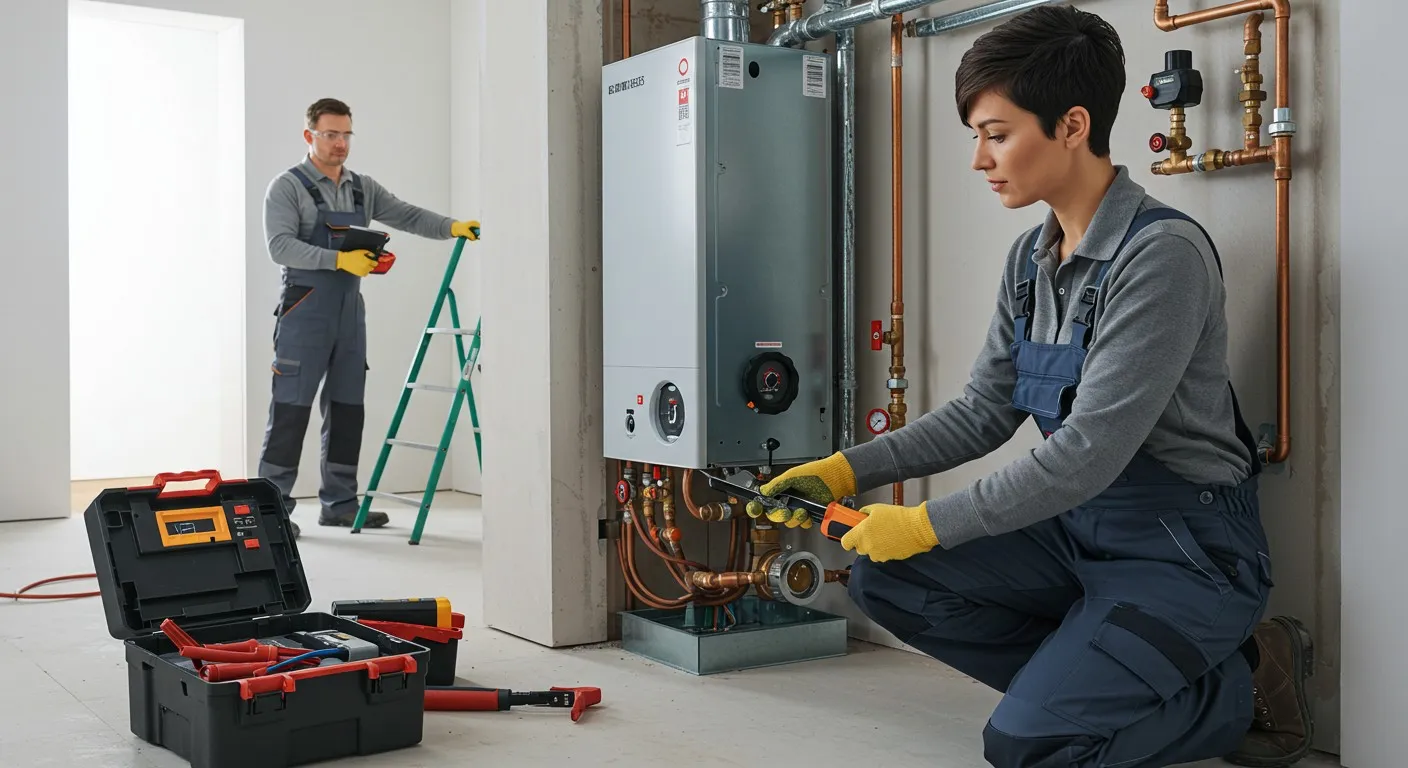
Routine professional maintenance helps you save energy, cut down on repairs, extend equipment life, and improve the air your family breathes. During a service visit, technicians test thermostats, measure refrigerant pressure, clean evaporator and condenser coils, and verify airflow through ductwork so the system performs the way it was designed. The practical outcome is lower operating costs and fewer emergency calls—both of which reduce the total cost of ownership for homeowners. Below is a clear breakdown of the main benefits and how they work, followed by a quick comparison across common systems.
By correcting inefficiencies and restoring factory performance, professional maintenance lowers energy draw—setting up the next section about the specific energy-saving tasks technicians perform.
The primary benefits are improved energy efficiency, a longer system life, fewer breakdowns, better indoor air quality, and preserved warranty coverage. Each is explained below.
• Improved Energy Efficiency: Regular tune‑ups restore peak performance and shorten run times.
• Extended System Lifespan: Preventive replacements and lubrication reduce wear and tear.
• Fewer Emergency Repairs: Early detection keeps small problems from becoming major failures.
• Better Indoor Air Quality: Clean filters and ducts lower dust and allergens in your home.
These benefits add up to a straightforward value proposition and lead into practical examples of how maintenance trims bills and extends equipment life.
Different HVAC systems respond to maintenance in measurable ways; the table below summarizes typical impacts.
• Air Conditioning (AC) — Effect of Maintenance: Coil cleaning, refrigerant checks, airflow optimization — Typical Impact: Up to 10–15% lower energy use; fewer compressor failures
• Furnace / Heating — Effect of Maintenance: Burner inspection, heat‑exchanger check, lubrication — Typical Impact: Improved combustion efficiency; reduced premature motor failure
• Heat Pump — Effect of Maintenance: Reversing valve checks, refrigerant balance, compressor health — Typical Impact: Smoother seasonal switching; consistent heating/cooling capacity
This comparison shows maintenance targets key parts—compressors, condenser and evaporator coils—to deliver measurable savings and more reliable operation. That understanding helps homeowners prioritize seasonal tune‑ups and targeted servicing, which we cover next.
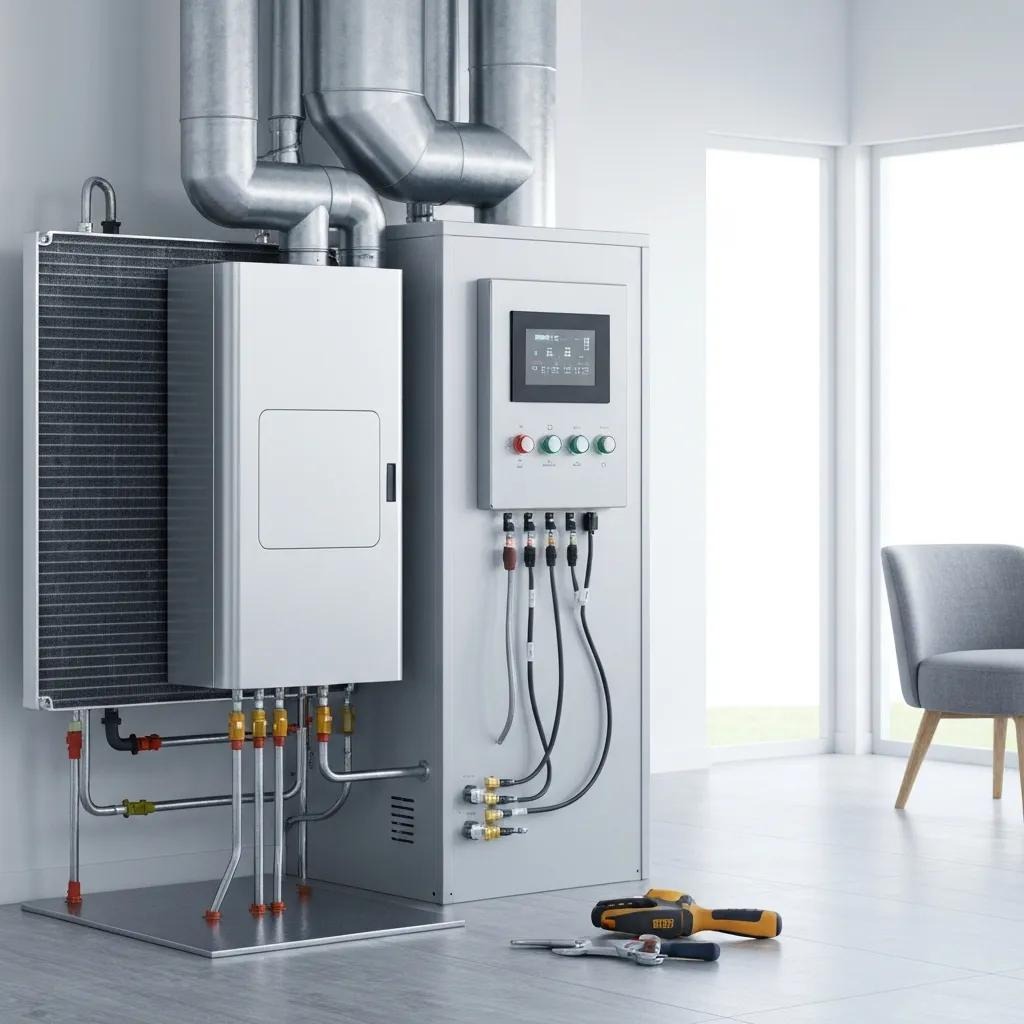
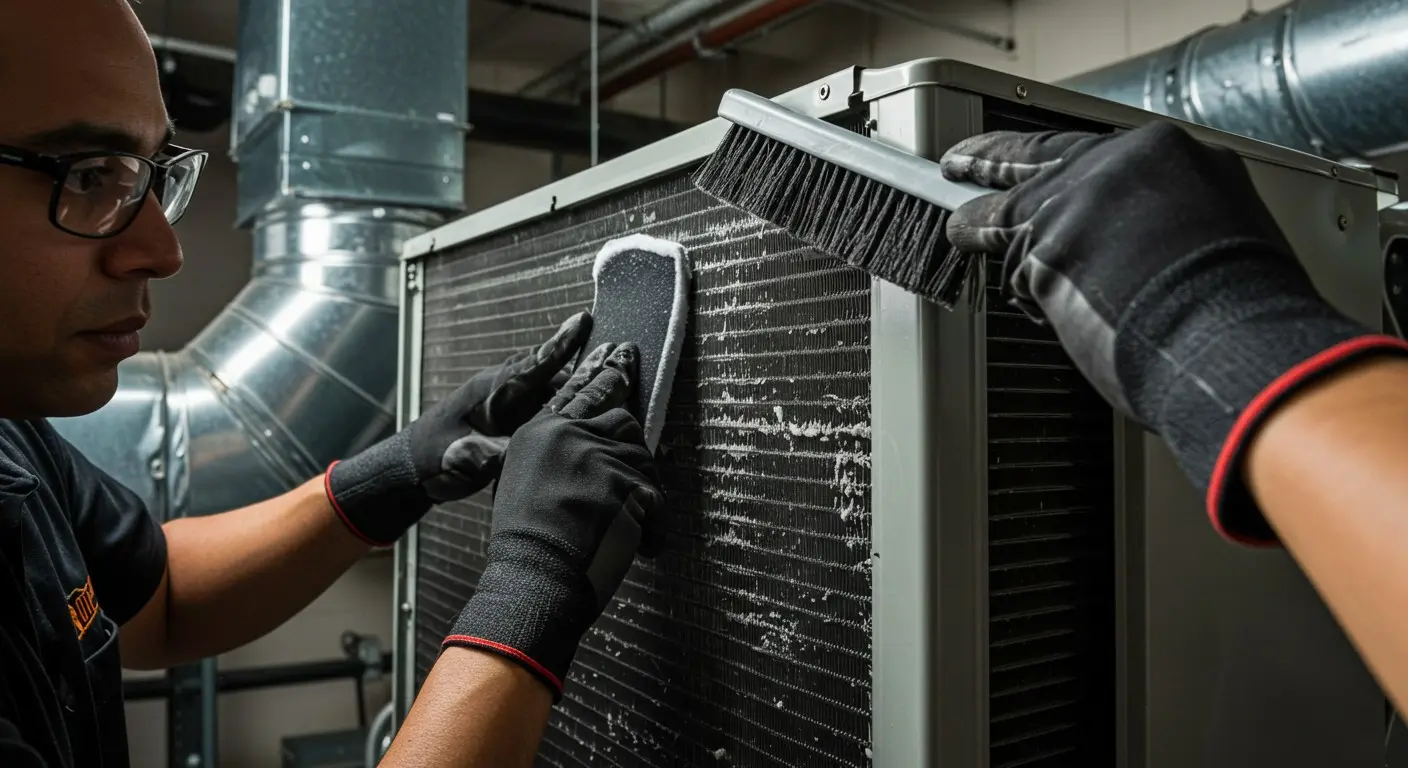
Maintenance cuts energy use by returning components to their proper operating condition. Clean coils transfer heat more effectively, the correct refrigerant charge supports efficient phase change, and a calibrated thermostat reduces unnecessary cycling. Technicians measure electrical draw, inspect compressor and motor bearings, replace or clean filters, and balance airflow so your system doesn’t work harder than it needs to. These fixes yield shorter run times and steadier temperatures—recent studies and industry guidance show well‑maintained systems can save as much as 15% in energy compared with neglected units—making tune‑ups a cost‑effective investment. Proper filtration and duct care also reduce airflow restrictions, which protects components and supports long‑term durability.
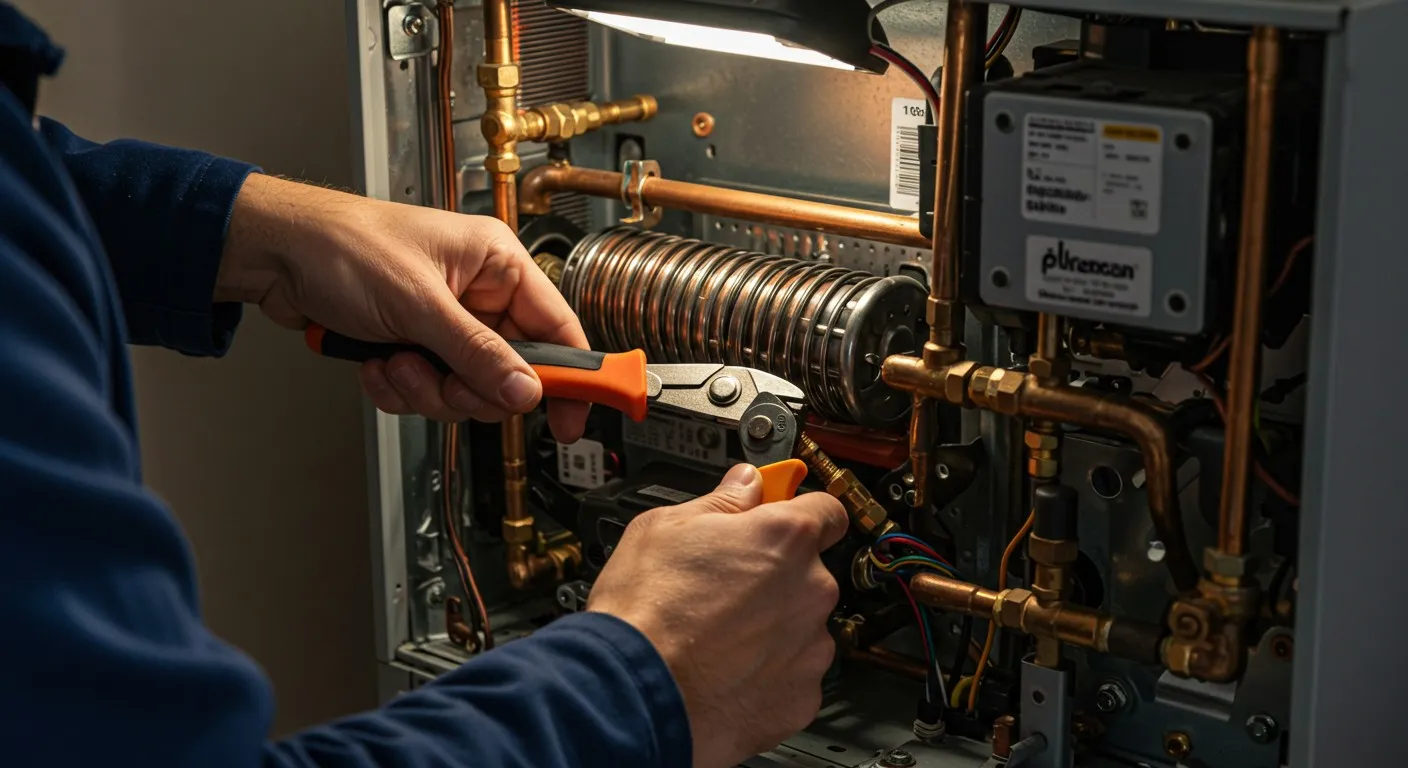
Regular service reduces stress on components, prevents corrosive build‑up, and replaces wear items before they take down major assemblies like the compressor or heat exchanger. Routine lubrication, belt and motor checks, and timely capacitor or relay replacements remove common failure points that accelerate wear. For example, a compressor forced to run with dirty coils and low refrigerant will run hotter and often fail years sooner than a maintained unit. Addressing small defects early preserves manufacturer tolerances and cuts the frequency of costly replacements. That preventive approach both lengthens service life and steadies system performance—making scheduled service a practical financial safeguard for homeowners.
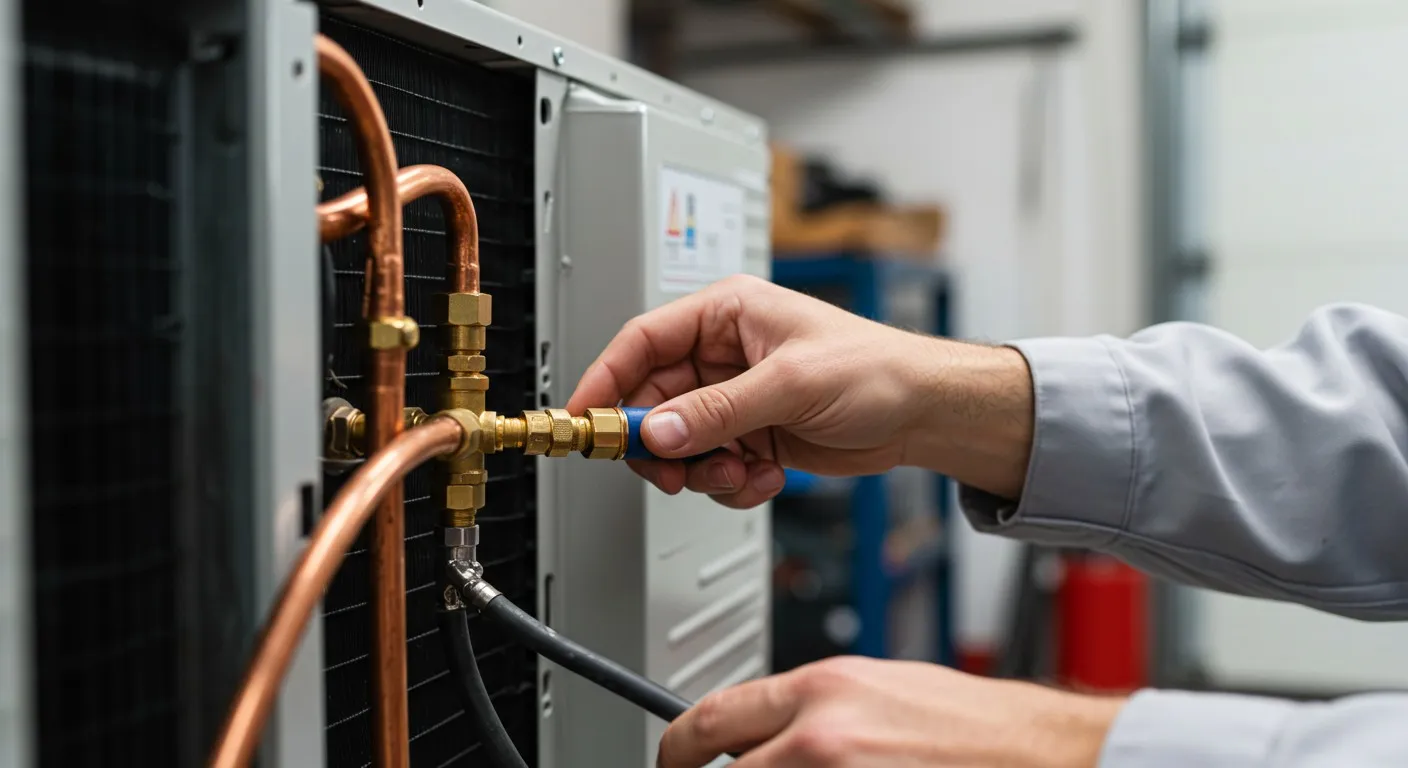
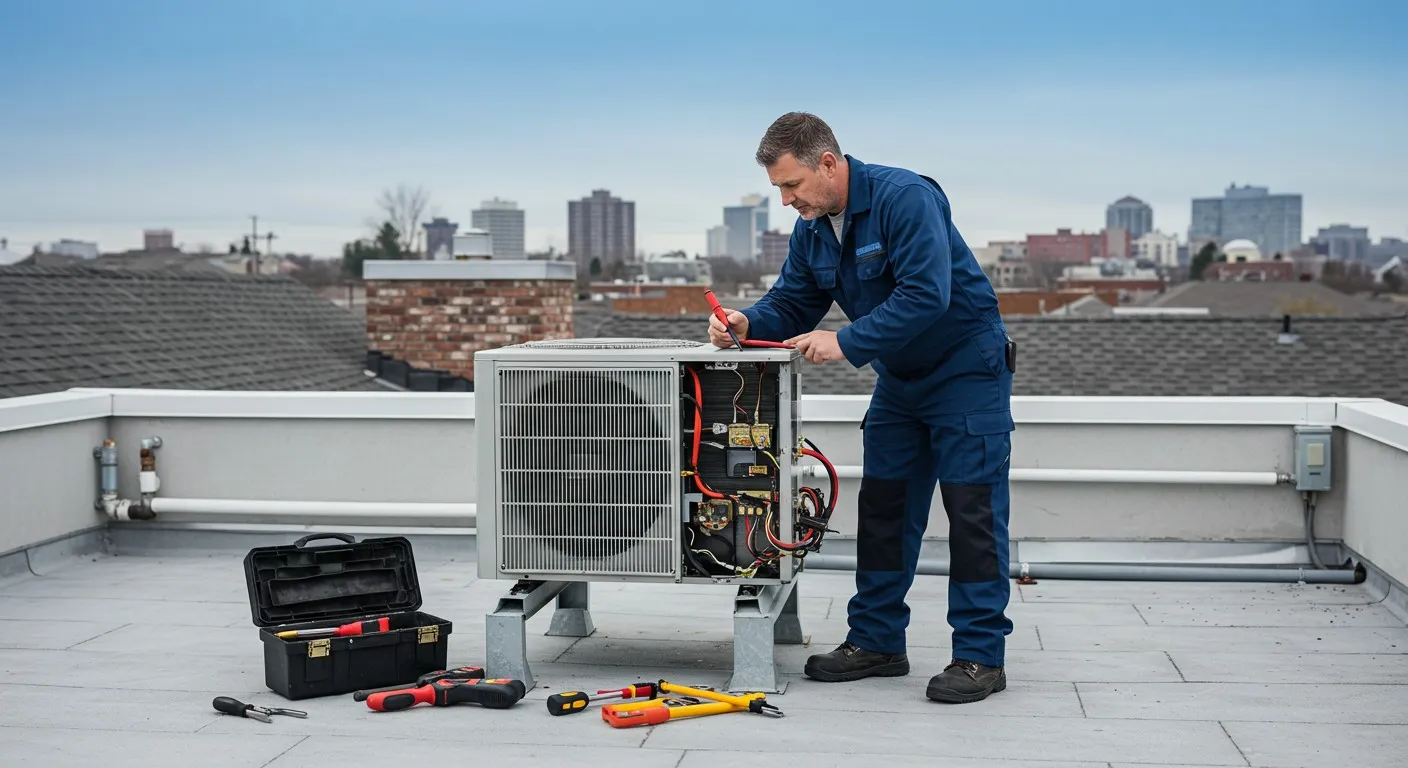
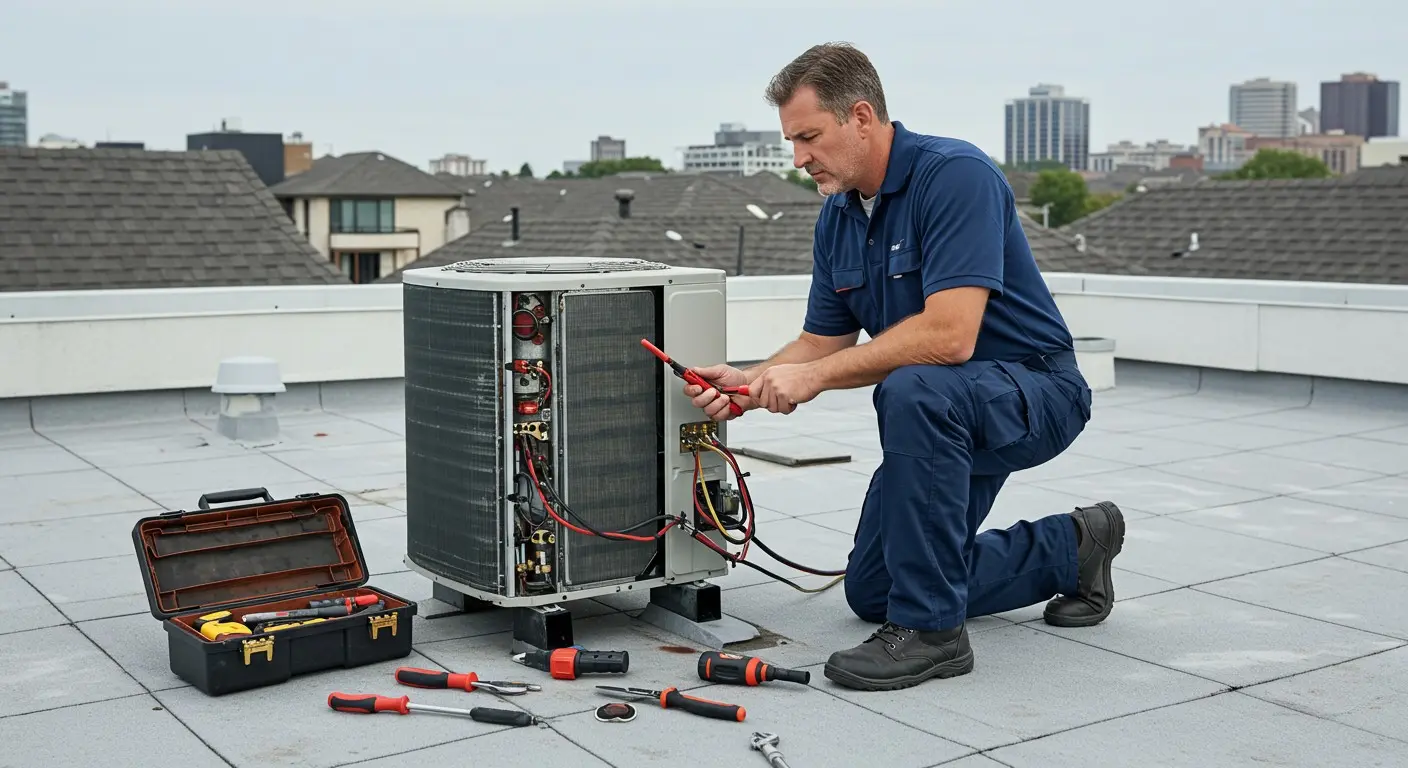
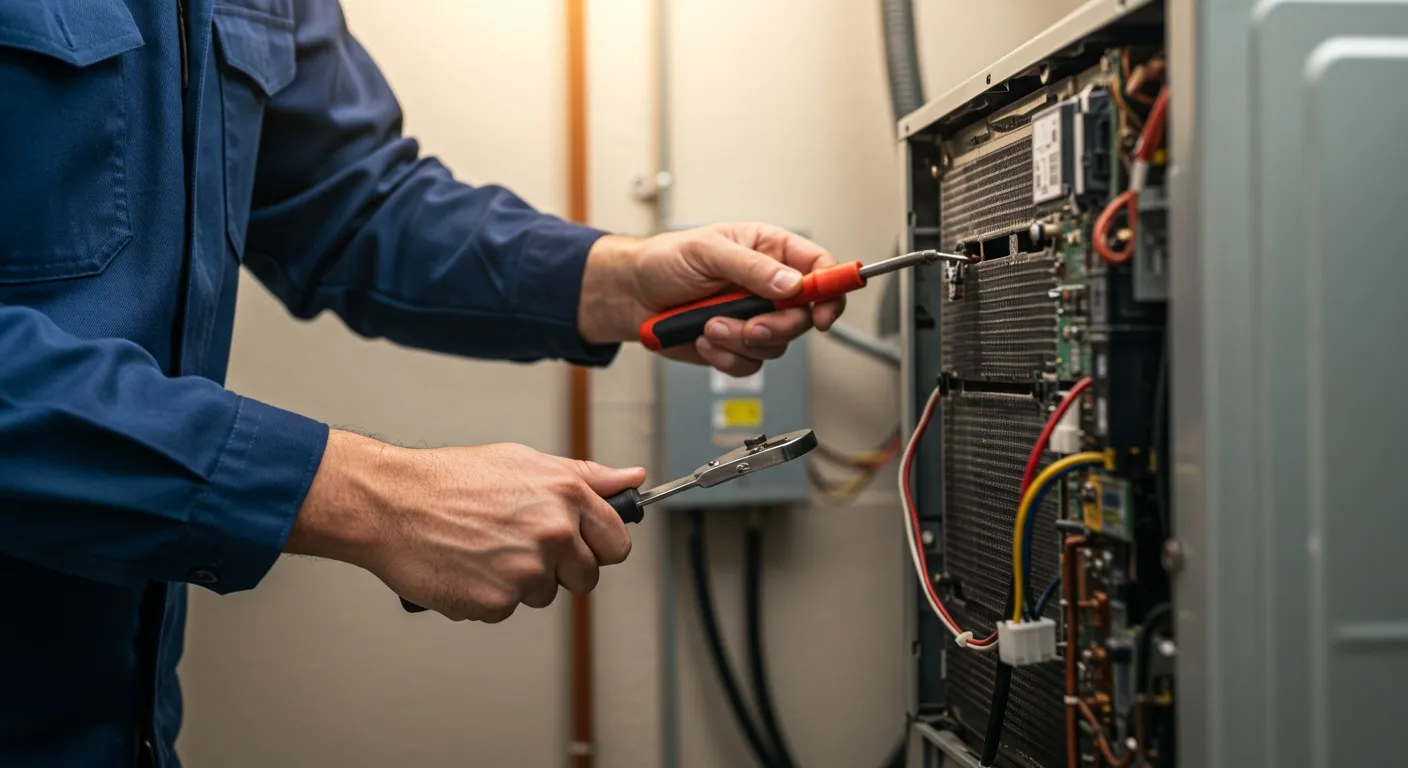
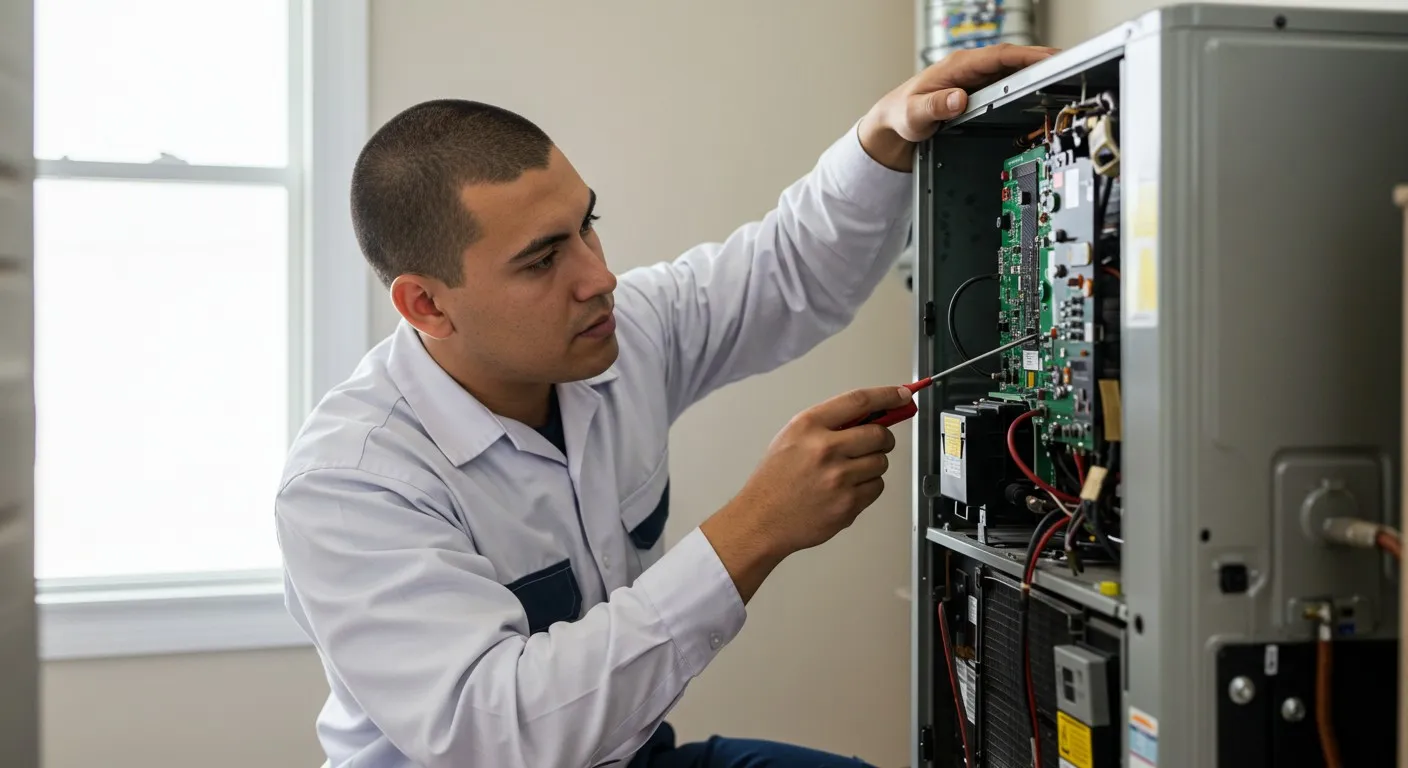
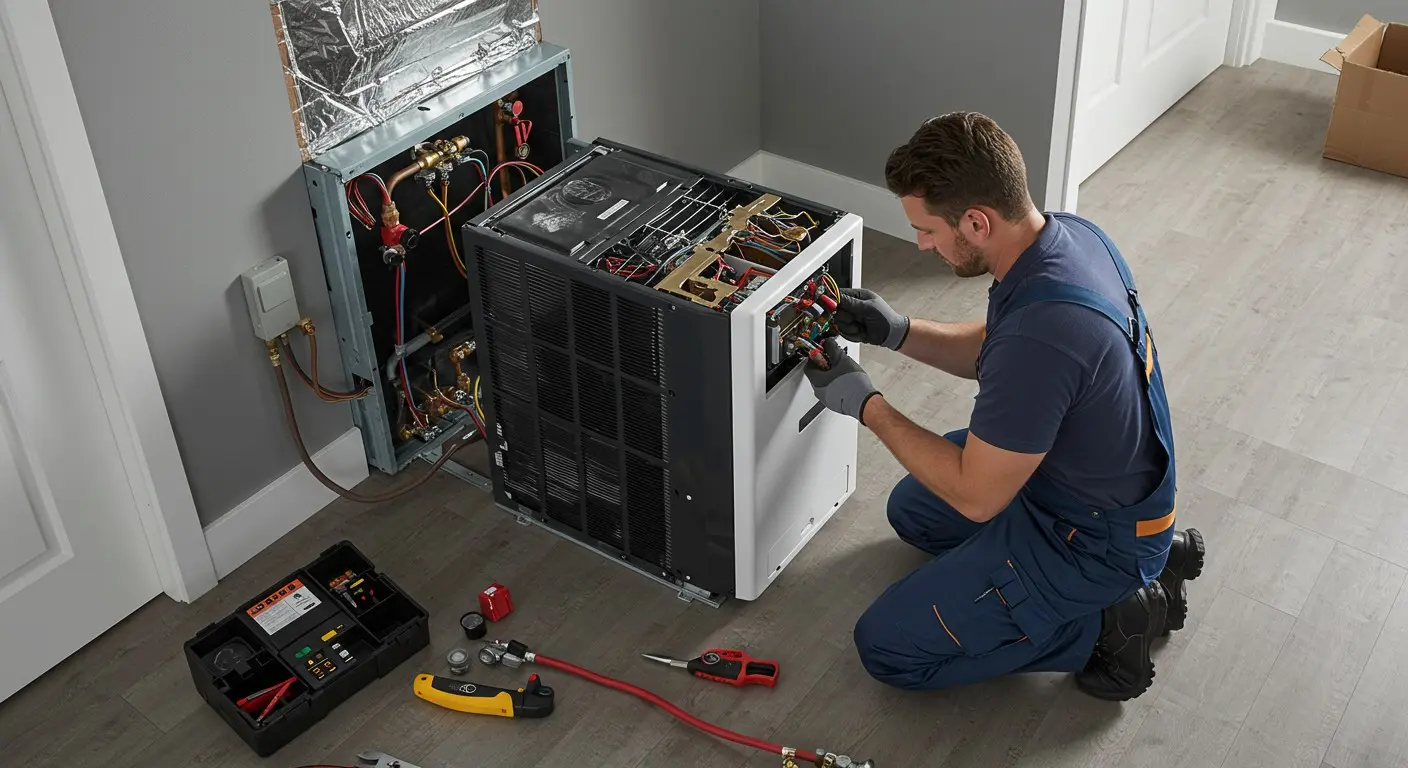
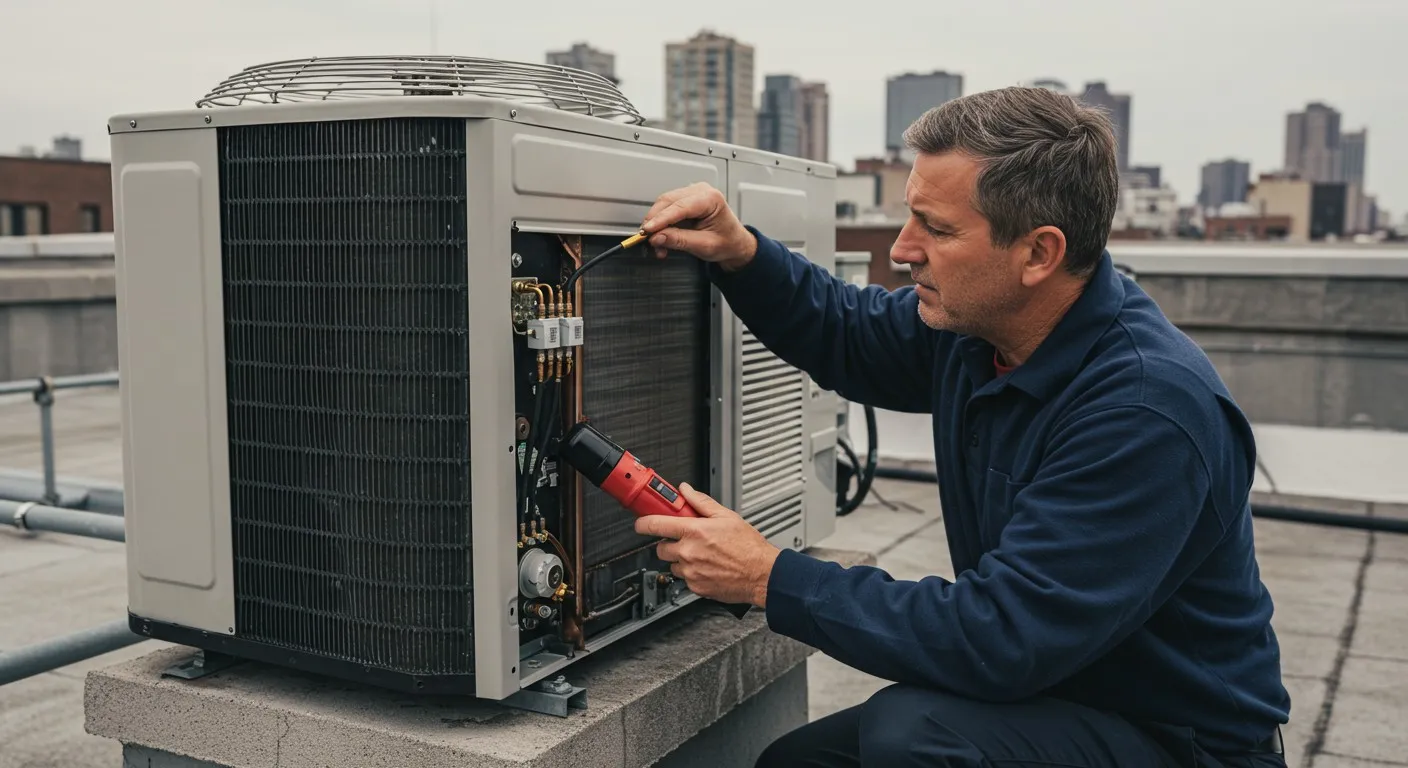
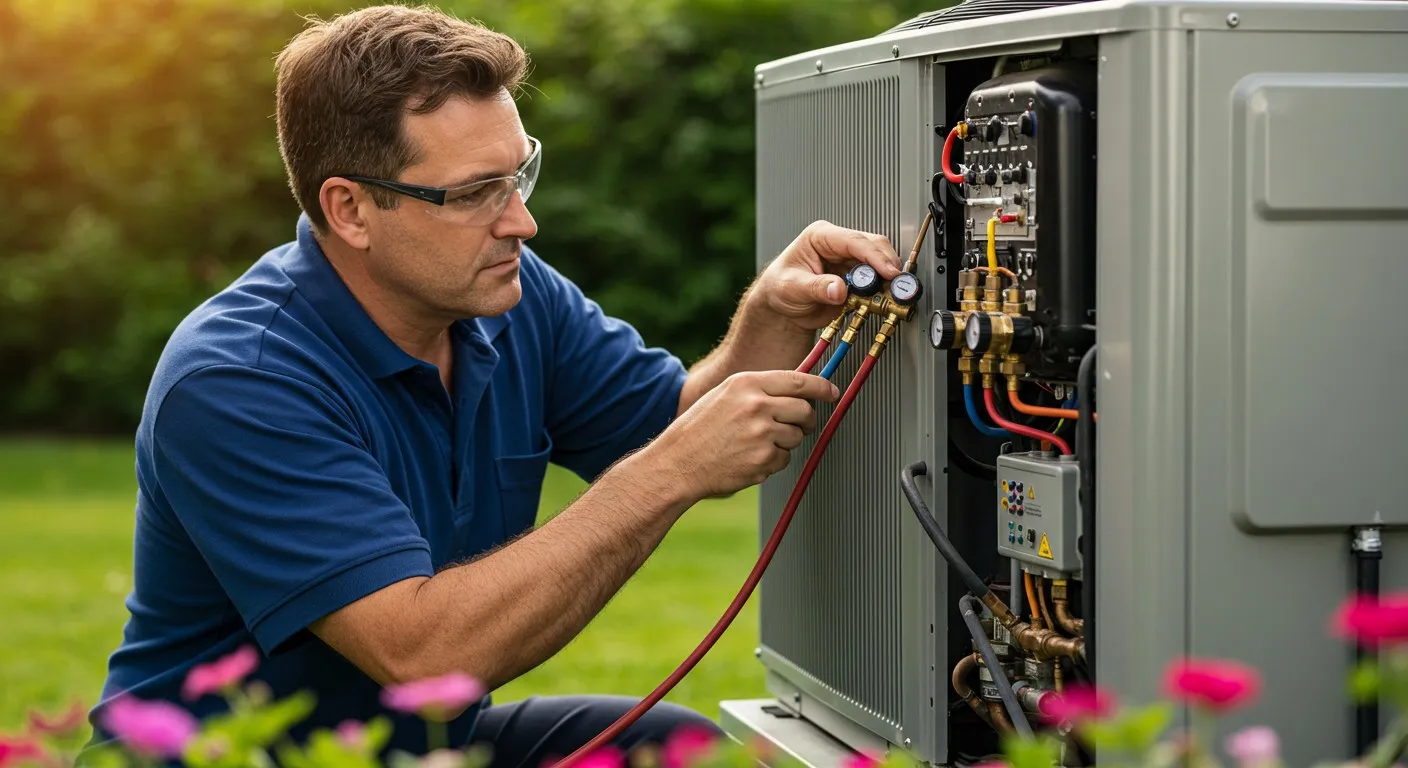
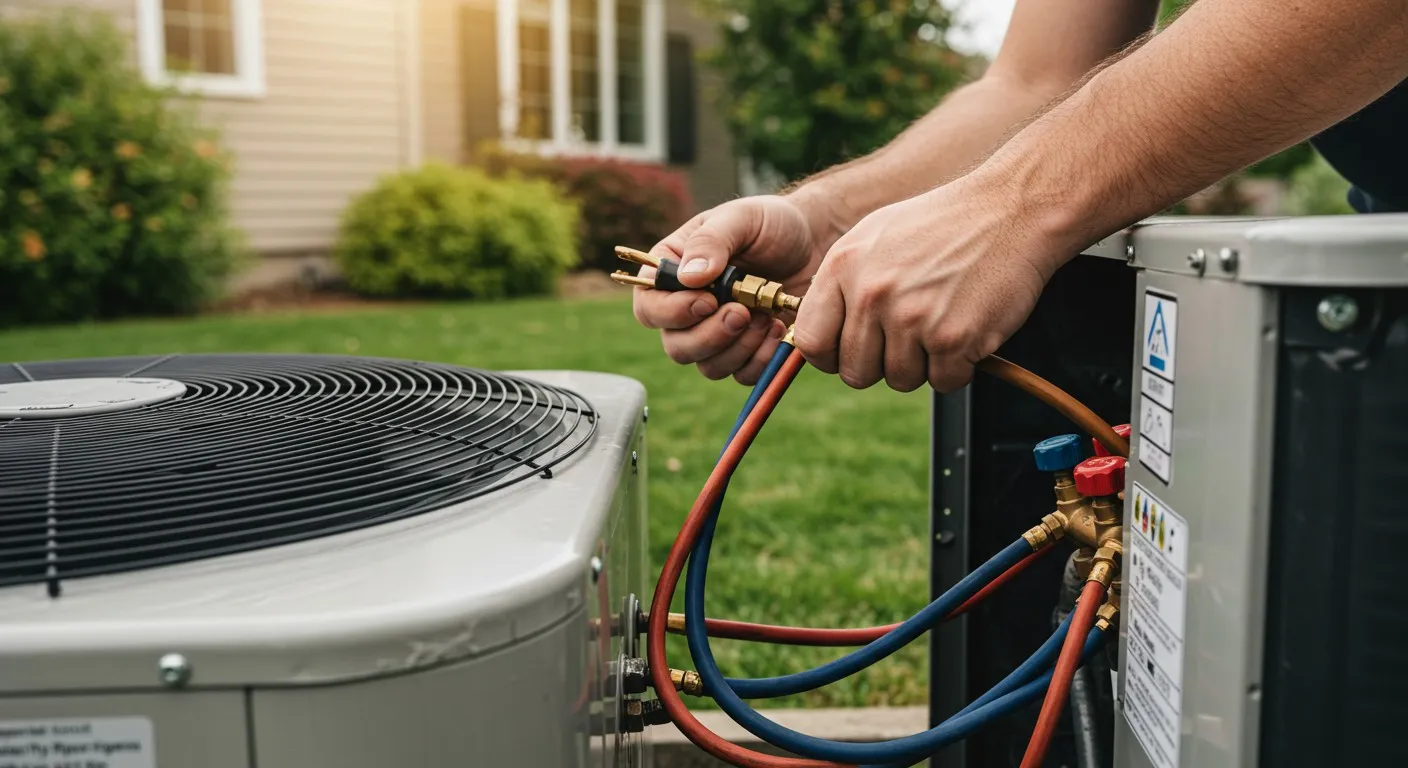
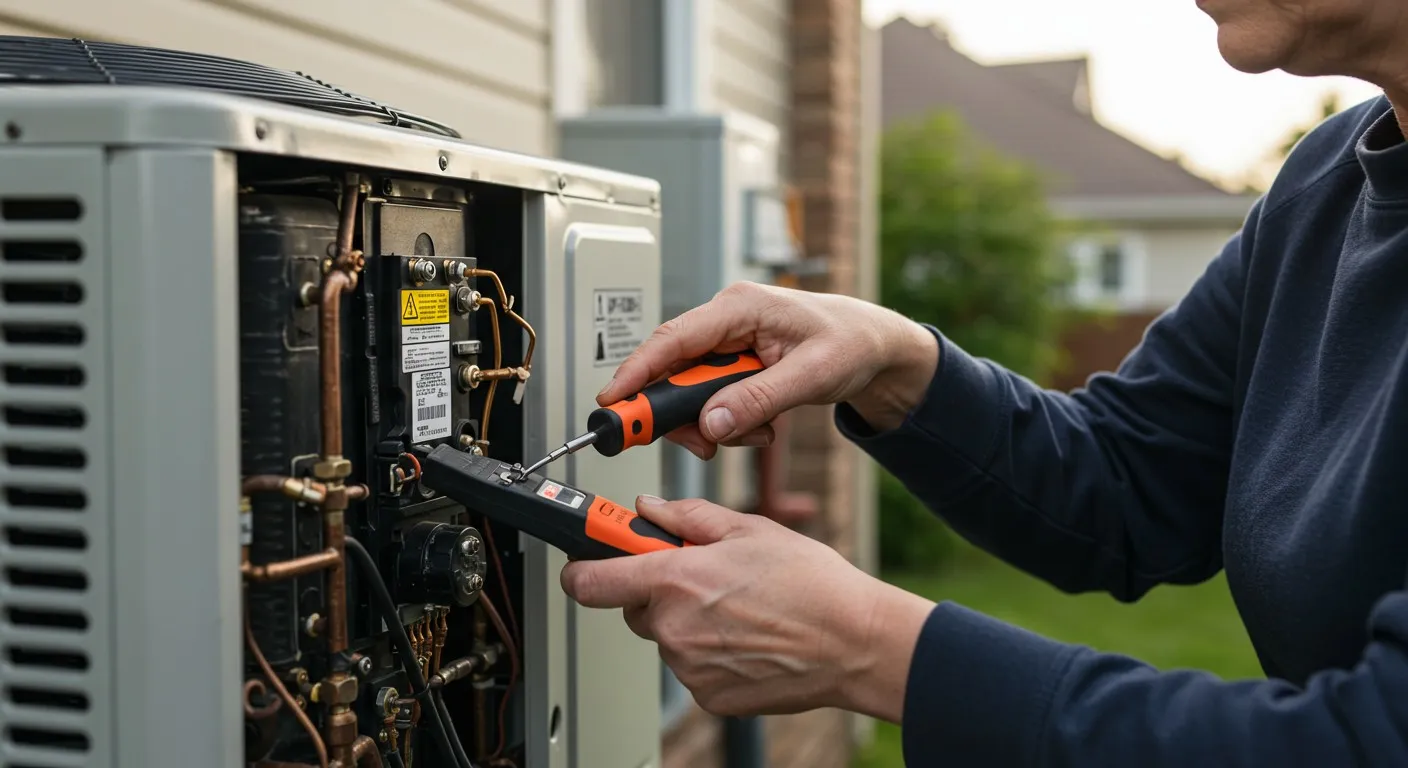
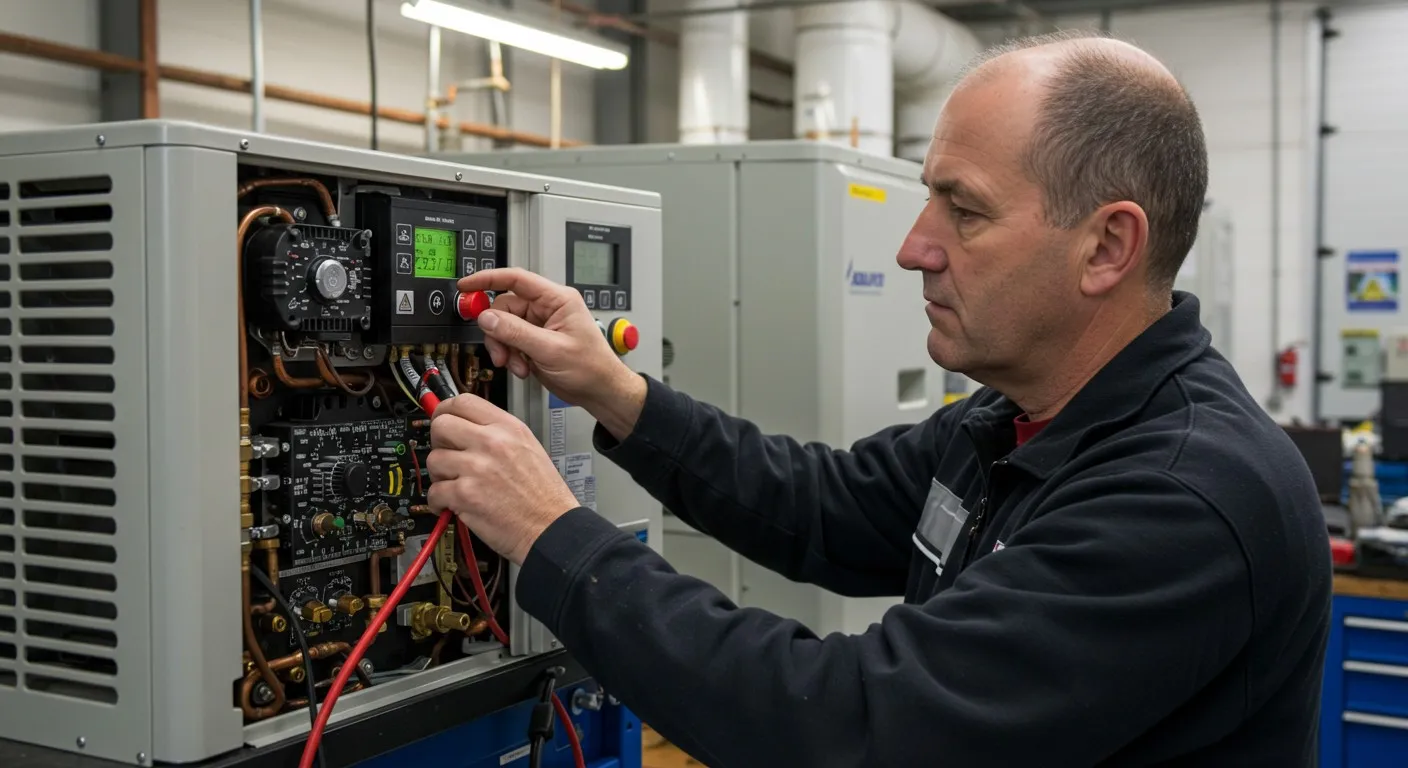
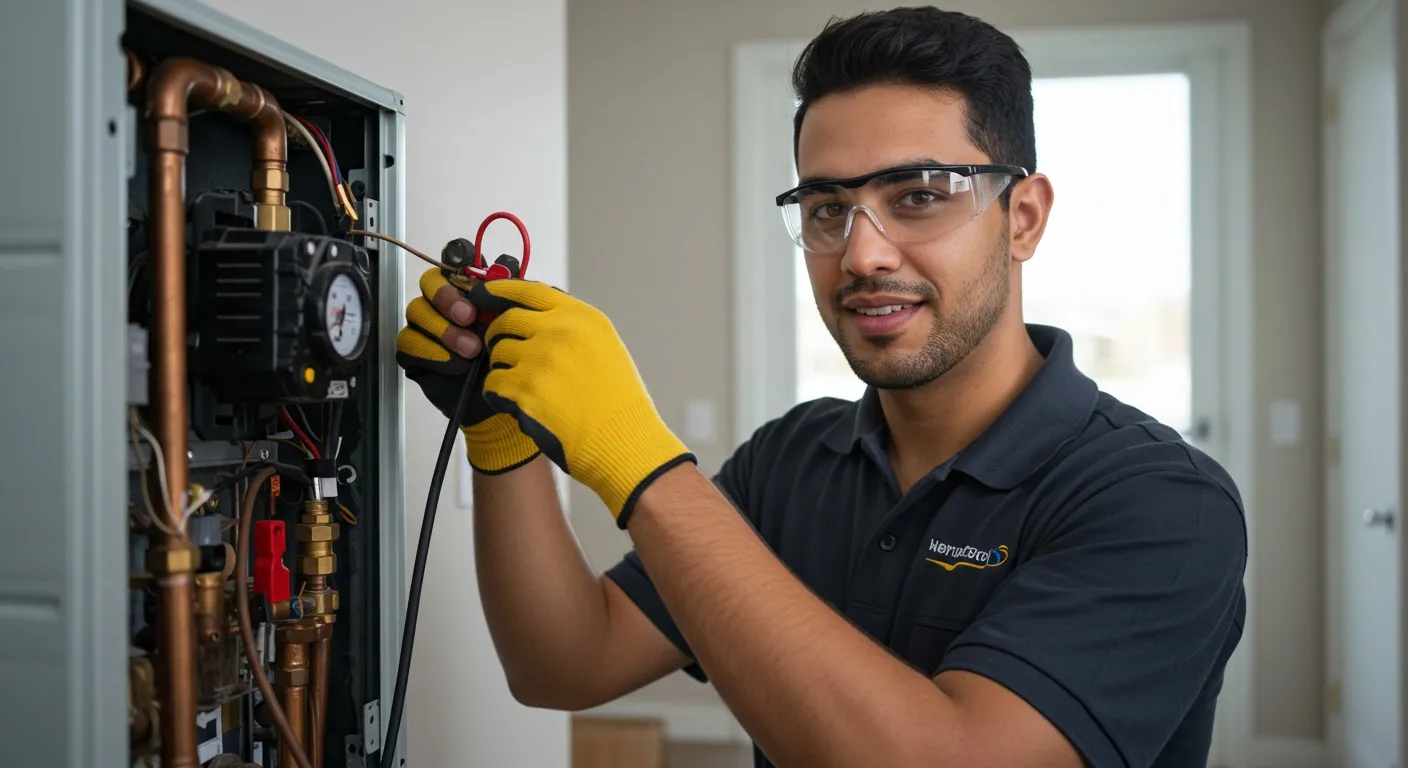
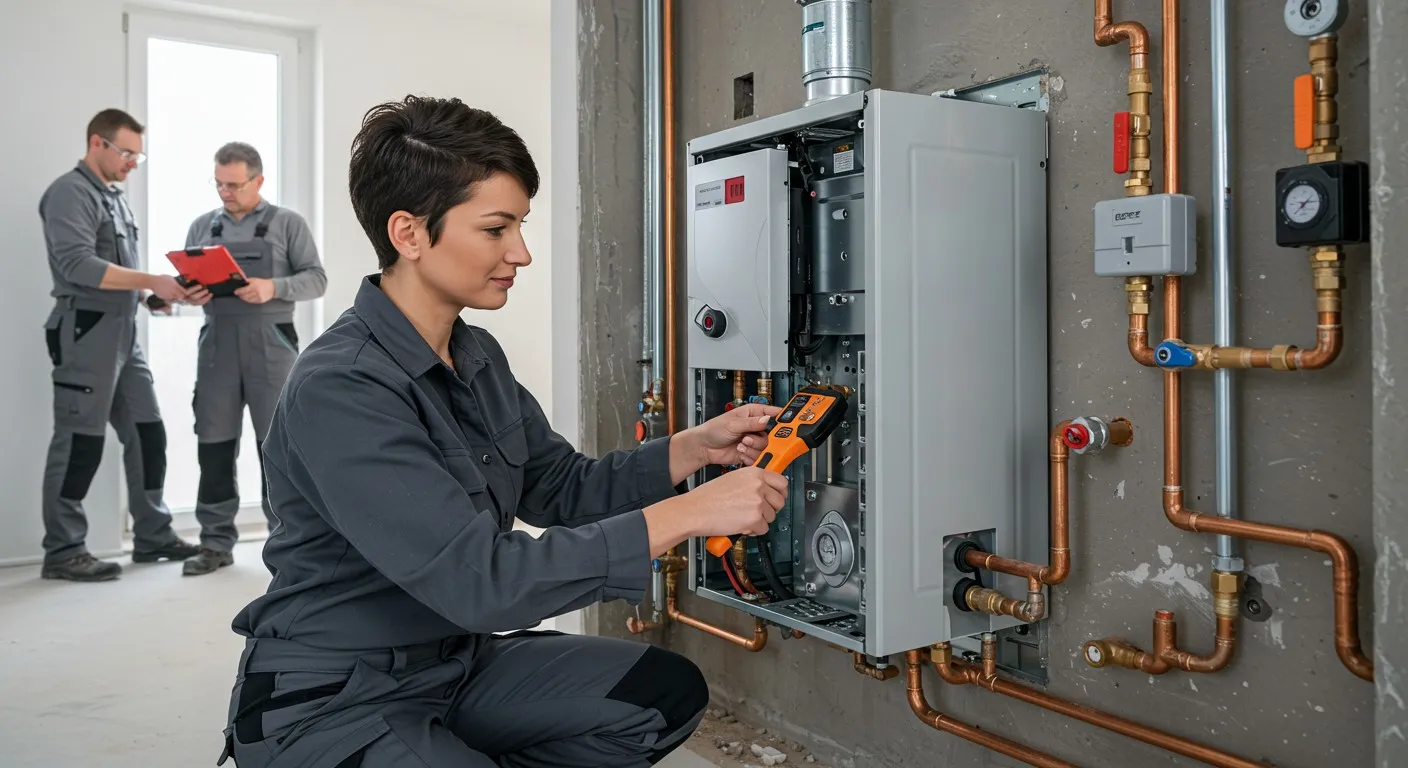
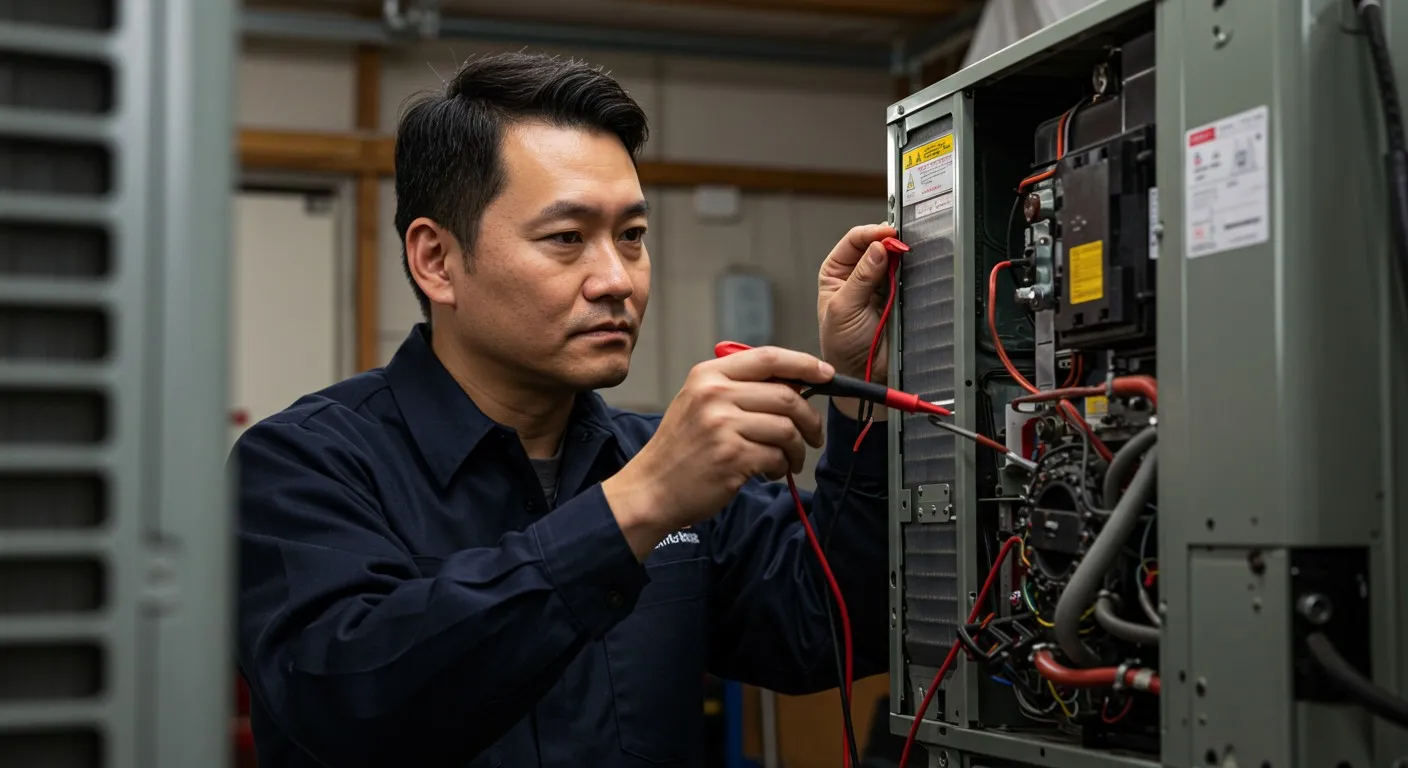
Professional maintenance prevents expensive repairs by catching early warning signs through diagnostic testing and condition‑based inspections before issues become emergencies. Technicians use multimeters to test electrical components, gauges to verify refrigerant pressures, and visual checks to find corrosion, leaks, or worn parts. Routine visits commonly reveal refrigerant leaks, failing capacitors, blocked condensate drains, and loose electrical connections—problems that often trigger emergency failures if ignored. Fixing these issues early usually means a low‑cost repair rather than a full replacement. The checklist below summarizes common preventive checks and the outcomes homeowners should expect.
• Typical checks include filter replacement, coil cleaning, refrigerant level verification, lubrication of moving parts, thermostat calibration, and condensate drain clearing.
• Regular inspections reduce the risk of compressor burnout, electrical shorts, and frozen coils.
• Preventive diagnostics create a documented service history that helps prioritize repairs and plan for replacements.
Next we’ll look at specific early problems technicians often catch and how those discoveries avoid urgent repairs.
Technicians frequently spot early problems like refrigerant leaks that cut cooling capacity, failing capacitors that prevent motors from starting, worn belts that will snap under load, and blocked condensate drains that cause water damage and safety shutoffs. Common diagnostic methods include pressure testing for refrigerant integrity, capacitance testing for start/run capacitors, and thermal imaging to find electrical hotspots. Signs such as a hissing refrigerant sound, slow start‑ups, unusual vibration, or standing water help technicians schedule small repairs—recharging refrigerant, replacing capacitors, or clearing drains—before they escalate. Those timely fixes prevent costly emergencies and keep your home comfortable, which leads into the long‑term financial benefits of preventive care.
Preventive care saves money through three clear channels: lower energy bills, fewer major repairs, and a longer equipment life that delays replacement costs. A simple ROI example shows how annual tune‑ups that cut energy use by 10–15% combined with avoiding one compressor replacement every few years can more than pay for maintenance. Energy savings reduce monthly utility costs immediately, while deferring a single high‑cost repair spreads savings over years. Documented maintenance also helps preserve warranty coverage and avoid out‑of‑pocket expenses for otherwise covered failures. Together, these effects provide a strong economic case for regular professional service.
Good HVAC maintenance improves indoor air and comfort by keeping filtration, airflow, and humidity controls working as intended. Technicians clean or replace filters, inspect visible ductwork, and check coils to limit microbial growth that can harm air quality. Well‑maintained systems keep temperatures and humidity levels steady—especially important in North Texas heat and seasonal humidity—reducing hot spots and moisture‑related discomfort. These improvements make living spaces more comfortable and reduce exposure to respiratory irritants and allergens. The next section explains how filters and ductwork do most of the heavy lifting for indoor air health.
Clean filters and well‑maintained ducts trap airborne particles and stop dust, pollen, and other contaminants from circulating through your home. That both lowers occupant exposure and protects sensitive components like coils from fouling. Filter choice matters: higher MERV ratings catch finer particles but can increase fan energy if the system isn’t sized for them—technicians recommend the right balance for your home. Duct inspections find disconnected runs, dust build‑ups, and biological growth that spread contaminants; targeted cleaning and sealing improve distribution and reduce pressure imbalances. Regular filter changes and focused duct care therefore boost both indoor air quality and system efficiency.
Cleaner indoor air reduces allergens, eases irritation for people with asthma or allergies, and supports general respiratory health by lowering particulate and mold spore levels. Health experts note that reducing indoor pollutants can cut symptom frequency and severity for sensitive people, including children and older adults. Practical results include fewer allergy flare‑ups, less need for quick‑relief medications, and better sleep thanks to balanced humidity and cleaner air. Prioritizing filtration, coil cleaning, and duct hygiene during maintenance visits delivers real health benefits that reinforce the value of professional HVAC care.
Regular service for furnaces and heating equipment is essential for safety because inspections find combustion and venting problems that can lead to carbon monoxide leaks, as well as electrical faults that could spark fires. Technicians check the heat exchanger, burners, flue piping, and electrical connections to confirm safe operation and proper venting. Many manufacturers also require documented annual professional service to keep warranties intact, so routine visits create the records needed to protect warranty claims. Understanding these safety checks and documentation responsibilities helps homeowners avoid serious risks and surprise repair bills. The next subsection explains how maintenance prevents CO incidents and electrical hazards.
Maintenance lowers carbon monoxide risk by inspecting combustion chambers, checking heat exchangers for cracks or rust, and verifying that flues and vents are clear so combustion gases exhaust outdoors rather than into your home. Technicians also test combustion efficiency and monitor for signs of trouble. Electrical hazards are reduced by tightening connections, testing breakers, and scanning for overheated wiring or failing capacitors that can spark or stop motors. Adding and testing CO detectors as part of a safety plan gives extra peace of mind. These safety actions also support warranty compliance, which we cover next.
Keeping a professional service record helps preserve manufacturer warranties because many warranties require annual maintenance by a qualified technician. Techs generate service records that list inspections, parts replaced, and measurements taken—documents homeowners should keep to support any warranty claim. Those records also add value when selling a home or transferring equipment to a new owner. Regular documentation during scheduled visits protects both safety and financial interests and makes warranty claims much easier if a failure occurs.
Family Comfort Heating & Air designed an Annual Maintenance Plan to deliver the preventive benefits above while adding local advantages like priority scheduling and savings. The plan includes two yearly visits—spring for your AC and fall for heating or heat pump checks—comprehensive inspections, filter service, lubrication, refrigerant checks, and performance testing. Members get 15% off repairs, priority service for emergency calls, and the confidence of a 100% satisfaction guarantee and repair warranty. Family Comfort is family‑owned and woman‑owned, offers 24/7 service, transparent pricing with free estimates, and enjoys a 4.9‑star Google rating from over 160 reviews—local strengths that help ensure fast response and trusted service in the Boyd service area. The table below summarizes key plan features and customer value for a quick look.
The Annual Maintenance Plan groups preventive tasks and customer protections so upkeep is easy to track and your system gets the attention it needs when it needs it.
• Visits per year — Attribute: Scheduling — Value: Two visits: spring and fall
• Discount — Attribute: Repair savings — Value: 15% off repairs for plan members
• Tasks performed — Attribute: Maintenance scope — Value: Filter service, coil checks, lubrication, refrigerant inspection
• Priority & Guarantees — Attribute: Customer benefits — Value: Priority service, 100% satisfaction guarantee, warranty on repairs
This table makes the plan’s tangible benefits easy to compare with one‑off maintenance visits and shows how enrollment simplifies record‑keeping and warranty protection. Below is a short list outlining included services and how they support the long‑term benefits we’ve discussed.
The Annual Maintenance Plan bundles preventive inspections and actionable maintenance to preserve efficiency and reliability while offering financial perks. Core services include two scheduled visits per year, thorough inspections of coils, compressors, refrigerant levels, and electrical components, filter cleaning or replacement, lubrication of moving parts, and performance testing for airflow and thermostat accuracy. Plan members also receive 15% off repairs and priority scheduling for service calls—advantages that reduce downtime and the financial impact of unexpected failures. This mix of technical tasks and member benefits simplifies upkeep, protects warranties with documented records, and helps make operating costs more predictable over the life of your equipment.
24/7 availability means emergencies—especially sudden failures during North Texas temperature extremes—can be handled quickly, reducing discomfort and secondary damage. Being a family‑owned, woman‑owned local company adds accountability and a community focus; customers often report clearer communication and more personalized care from locally rooted teams. These operational and cultural strengths translate into responsive scheduling, transparent pricing, and dependable service continuity—important when you’re maintaining a critical home system. The company’s high customer rating and satisfaction guarantee further support confidence when you choose a maintenance plan.
Homeowners in Boyd and nearby communities should schedule professional HVAC maintenance at least twice a year—spring for the AC and fall for heating or heat‑pump checks—to match service with seasonal demands and maximize reliability. Spring tune‑ups prepare AC systems for heavy summer use by verifying refrigerant charge, cleaning condensers, and confirming proper airflow. Fall visits focus on heat sources and heat‑pump switching while checking for safe, efficient operation. Homes with older equipment, heavier usage, or occupants with health sensitivities may benefit from more frequent checks. The table below summarizes recommended timing and primary benefits for each system.
• AC — Recommended Timing: Spring (prior to heavy cooling season) — Benefit: Ensures peak cooling capacity and prevents summer failures
• Furnace / Heat Pump — Recommended Timing: Fall (before heating season) — Benefit: Verifies safe combustion and reliable heating operation
• Heat Pump (year-round use) — Recommended Timing: Spring & Fall — Benefit: Confirms seasonal switch‑over health and refrigerant balance
Following a seasonal plan helps homeowners avoid peak‑season delays and pick service windows that deliver the most benefit.
Seasonal tune‑ups deliver immediate performance improvements and uncover pre‑season problems that would otherwise surface during peak demand. Spring AC service restores cooling capacity, reduces runtime, and eases humidity‑related strain on components. Fall furnace and heat‑pump service confirms safe combustion and readiness for cooler weather. Benefits include optimized efficiency, fewer emergency calls during high‑demand times, and verified system safety—outcomes that protect warranties and reduce long‑term costs. Scheduling service before seasonal demand also improves technician availability and gives homeowners time to budget for recommended repairs.
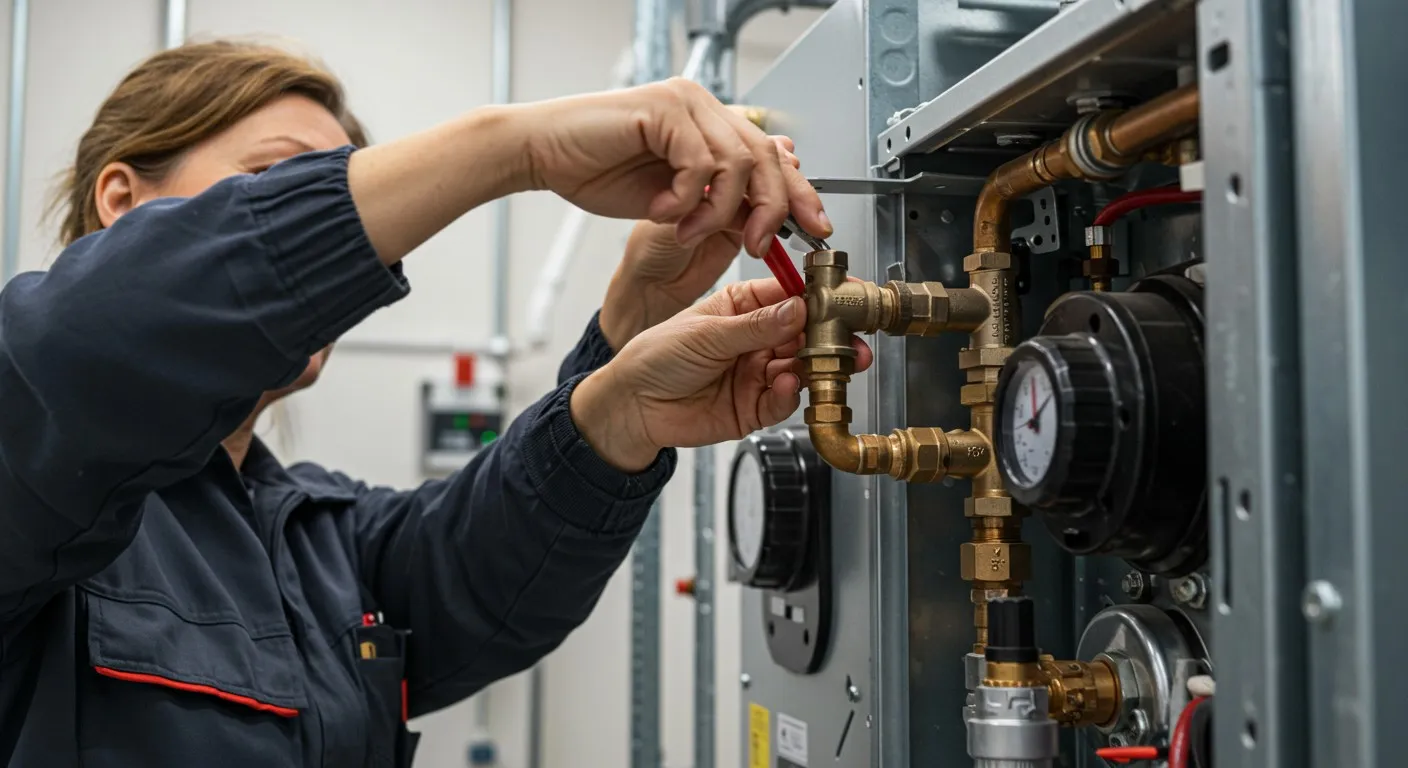
Homeowners can handle simple, safe tasks such as changing air filters, keeping outdoor units clear of debris, and replacing thermostat batteries. Those routine actions help keep systems cleaner between professional visits. However, DIY can’t replace the diagnostic testing and repairs that require calibrated instruments and technical training—things like refrigerant charging, electrical diagnostics, heat‑exchanger inspection, and compressor work should be left to professionals to avoid safety risks and potential warranty issues. Combining routine homeowner checks with scheduled professional maintenance gives you the best balance of safety, efficiency, and long‑term cost control.
This guide has shown how professional maintenance lowers energy use, prevents breakdowns, improves indoor air quality, protects safety and warranties, and how an annual plan makes upkeep simple. For Boyd-area homeowners who want steady comfort and lower total ownership costs, enrolling in a reliable maintenance plan delivers predictable care and documented service that support both performance and warranty compliance.


Stay comfy with 0% Financing for 12 Months on a new HVAC system through Synchrony and Wisetack! No hidden fees, no stress—just easy payments.