Blogs
Stay updated with our latest blog posts.


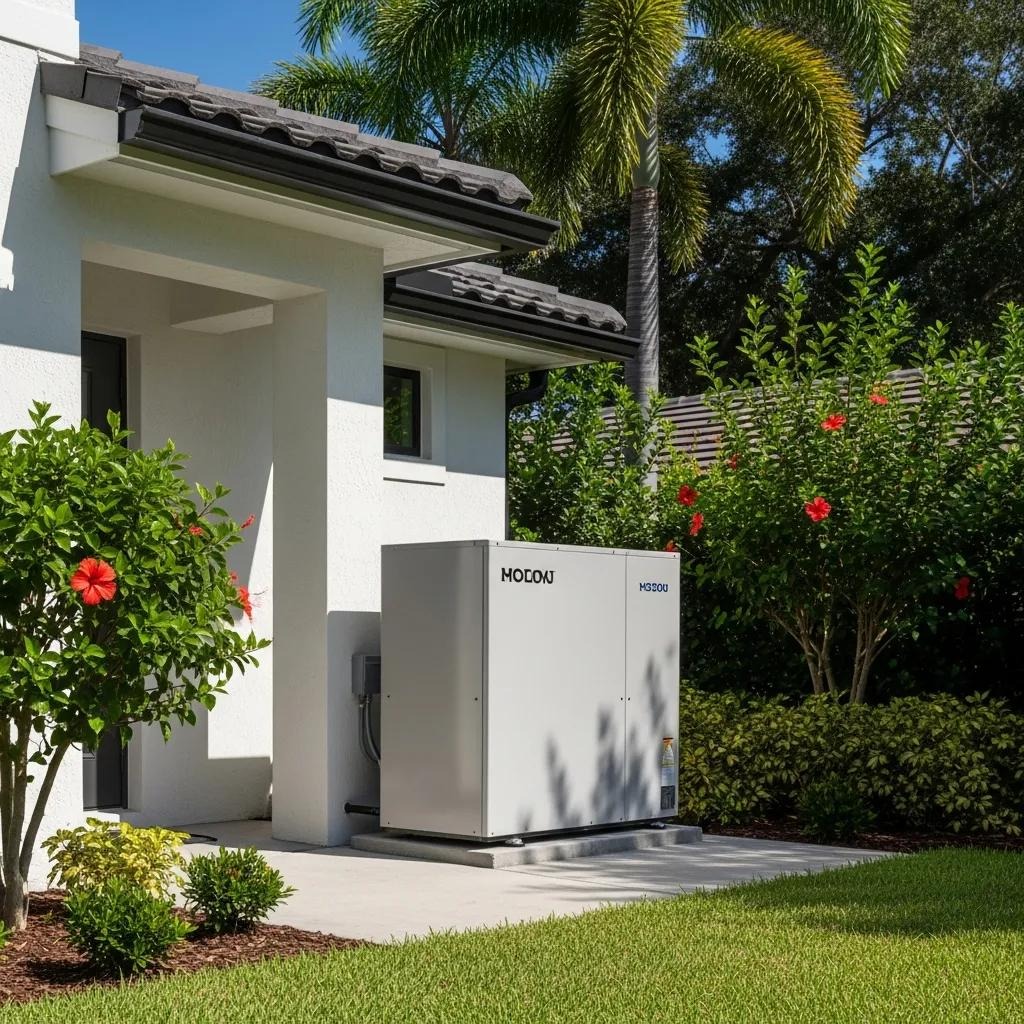
Picking the right heat pump makes a real difference in comfort and monthly bills—especially here in North Texas. This guide walks you through the features that matter most so you can choose a system that fits your home and your budget. Heat pumps heat and cool, so one properly sized, efficient unit can keep you comfortable all year. If you’ve been frustrated by uneven rooms or rising energy costs, the right heat pump can solve both. Below we cover benefits, efficiency ratings, types of systems, what to look for, sizing, brands, installation, costs, and upkeep.
Before you start shopping for a heat pump, gather the facts about your home — square footage, number of floors, attic and crawlspace conditions, insulation levels, window orientations, existing ductwork condition, and typical thermostat settings. Having these details when you request quotes reduces guesswork, speeds accurate proposals, and helps installers size the system to your actual needs. Also note persistent problem areas (hot or cold rooms, high humidity rooms) so they can be addressed during load calculations and duct design.
Heat pumps are a popular, practical option for North Texas homeowners because they move heat instead of creating it—saving energy whether you’re cooling or warming your home. That “two-in-one” ability makes them especially useful for North Texas seasonal extremes. In many cases, a heat pump cuts energy use and lowers utility bills while producing fewer emissions than systems that burn fuel.
Heat pumps transfer heat using refrigerant: in summer they pull heat out of your house and send it outside; in winter they reverse direction and bring outdoor heat in. That swap is efficient, and when a heat pump is sized and maintained properly it can deliver consistent temperatures and meaningful savings—often cutting energy costs by up to around 30% versus older, less efficient systems.
Because heat pumps use electricity to move heat instead of burning fossil fuels, they tend to create fewer carbon emissions. Depending on your electricity source, a heat pump can lower greenhouse gas output substantially—studies show reductions in the range of roughly 40–50% compared to traditional heating methods. Choosing a heat pump is both a comfort decision and a step toward greener home energy use.
Efficiency ratings help you compare models. SEER2 measures cooling performance over a season, HSPF gauges heating efficiency, and EER shows efficiency at a specific operating point. Higher numbers mean the unit uses less energy to do the same job—so higher ratings generally mean lower bills.
When comparing models, compare SEER2 and HSPF on the same testing basis and ask for performance estimates for hot North Texas summers and cooler winter conditions. System-level performance (the outdoor unit plus the matched indoor coil and controls) gives a more realistic picture than standalone numbers. Also check manufacturer guidance on expected seasonal savings and warranty terms tied to efficiency.
SEER2 reflects how economical a unit is at cooling; HSPF does the same for heating. For example, a heat pump with a SEER2 of 16 will usually use noticeably less electricity for cooling than one rated at SEER2 13—often saving around 20–30% on cooling costs. Looking at these ratings helps you pick a unit that controls costs without sacrificing comfort.
To select the right efficiency for our climate, consider your home’s size, insulation, and shading. Aim for higher SEER2 (15+) and HSPF (8.5+) where practical, and ask a professional to run a Manual J load calculation so the unit is correctly sized—neither oversized nor undersized.
There are a few common heat pump styles—each has pros and cons. We'll summarize what to expect so you can match a type to your home and goals.
• Air source: Cost-effective for most North Texas homes, quick to install, and well‑matched to moderate climates; efficient options perform well with proper sizing and maintenance.
• Geothermal: Best long‑term efficiency and long service life; higher upfront cost and site-specific requirements like yard space for ground loops.
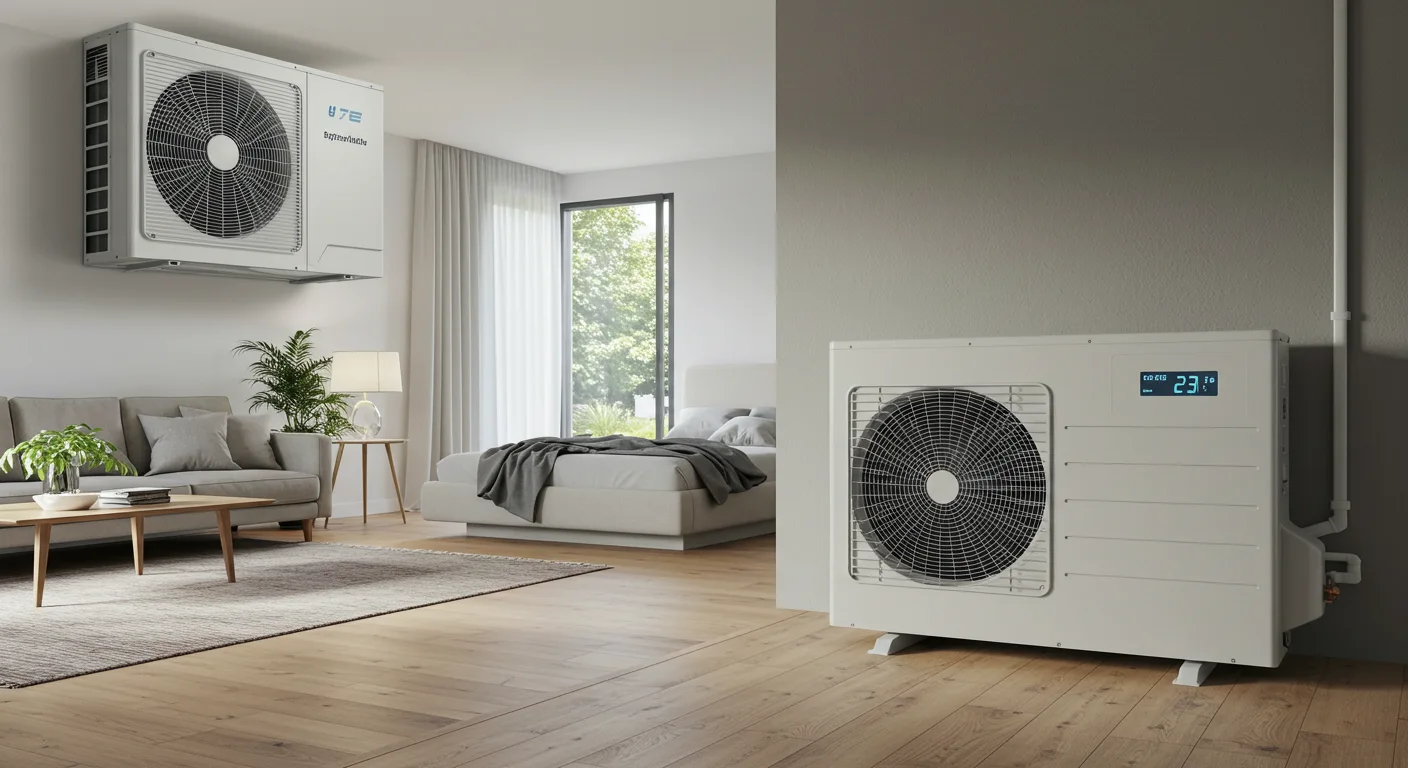
• Ductless mini-split: Excellent for rooms without ducts or for zoned comfort; minimal disruption to install and very efficient for space conditioning in individual zones.
Air source heat pumps are the most common residential option. They’re straightforward to install, cost-effective up front, and well suited to North Texas climate. For most homes they offer reliable year‑round comfort and solid energy savings without the high installation expense of ground‑loop systems.
Geothermal systems tap the earth’s stable underground temperature to heat and cool homes. They have higher initial costs but deliver excellent efficiency and low operating costs over the long term—potentially cutting energy bills by 40–60% compared to conventional systems and lasting longer with proper care.
Ductless mini-splits are a great fit if your home lacks ducts or you want to add climate control to a specific room. They’re flexible, quick to install, and can be more efficient than running central systems in smaller zones—ideal for bonus rooms, additions, or older homes without ductwork.
The right features make your system more comfortable and cheaper to run. Here are the ones we prioritize when helping homeowners choose a new heat pump.
Variable-speed compressors adjust their output to match demand, so your system runs longer at lower speeds instead of short cycling. That delivers steadier temperatures, better humidity control, and improved efficiency compared with single-speed units—saving energy and making your home more comfortable.
• Two-stage compressors for improved part-load efficiency and better comfort than single-stage units.
• Inverter-driven motors for precise capacity control and quieter operation across a wide range of loads.
• Corrosion-resistant coatings and durable cabinets to withstand coastal or humid environments.
• High-efficiency indoor coils and advanced filtration to improve heat transfer and indoor air quality.
• Built-in diagnostics and serviceability that make maintenance faster and reduce service costs over time.
This technology is especially valuable in humid climates, where variable-capacity systems help manage moisture better than fixed-capacity equipment.
Smart thermostat support lets you control your heat pump from your phone and automate comfort around your schedule. These thermostats learn patterns, cut wasted runtime, and can lower energy use by adjusting settings when you’re away—adding convenience and savings.
Noise matters—especially if the outdoor unit sits near a bedroom or living area. Look for models with low decibel ratings and sound‑reducing design so your system stays out of the way and your home stays peaceful.
Good humidity control is essential in North Texas. Heat pumps with built-in dehumidification or integrated control strategies help keep indoor humidity in check, improving comfort and indoor air quality while reducing the risk of mold and mildew.
Recent research highlights the benefits of coordinating cooling, dehumidification, and ventilation to improve comfort and humidity control in hot‑humid, energy‑efficient homes.
Getting the size right is one of the most important decisions. A properly sized heat pump runs efficiently, lasts longer, and keeps your home comfortable without wasting energy.
A unit that’s too large will short‑cycle—turning on and off often—which increases wear and reduces dehumidification. A unit that’s too small will run nonstop and still struggle to reach set temperatures. Both scenarios raise energy use and can shorten equipment life.
At Family Comfort Heating & Air, we perform a complete home assessment and run a Manual J calculation to determine your exact heating and cooling needs. That lets us recommend a unit sized for your home’s real load—not just a rule‑of‑thumb estimate—so you get comfort and efficiency from day one.
Insist on a Manual J load calculation; it accounts for insulation, windows, orientation, and occupancy to determine exact heating and cooling loads. If your home has ducts, ask for a Manual D to size and design ductwork and to identify needed sealing or insulation. Proper ductwork reduces energy losses and improves comfort.
Brand reputation and warranty coverage matter for long‑term satisfaction. Choose a trusted manufacturer and understand what the warranty covers before you buy.
Brands such as Amana and Bryant are commonly recommended in the Boyd service area for their reliability and dealer support. When comparing brands, weigh energy ratings, local installer experience, customer feedback, and warranty terms to find the best fit.
Most manufacturers offer parts warranties that can extend ten years or more; labor coverage varies by installer. Read the fine print—some warranties require proof of regular maintenance. A strong warranty paired with a responsive local service team gives you better protection and peace of mind.
When comparing dealers ask about local service, parts availability, whether warranty requires registration, and what maintenance keeps warranty valid. Consider extended warranty options and whether labor is covered.
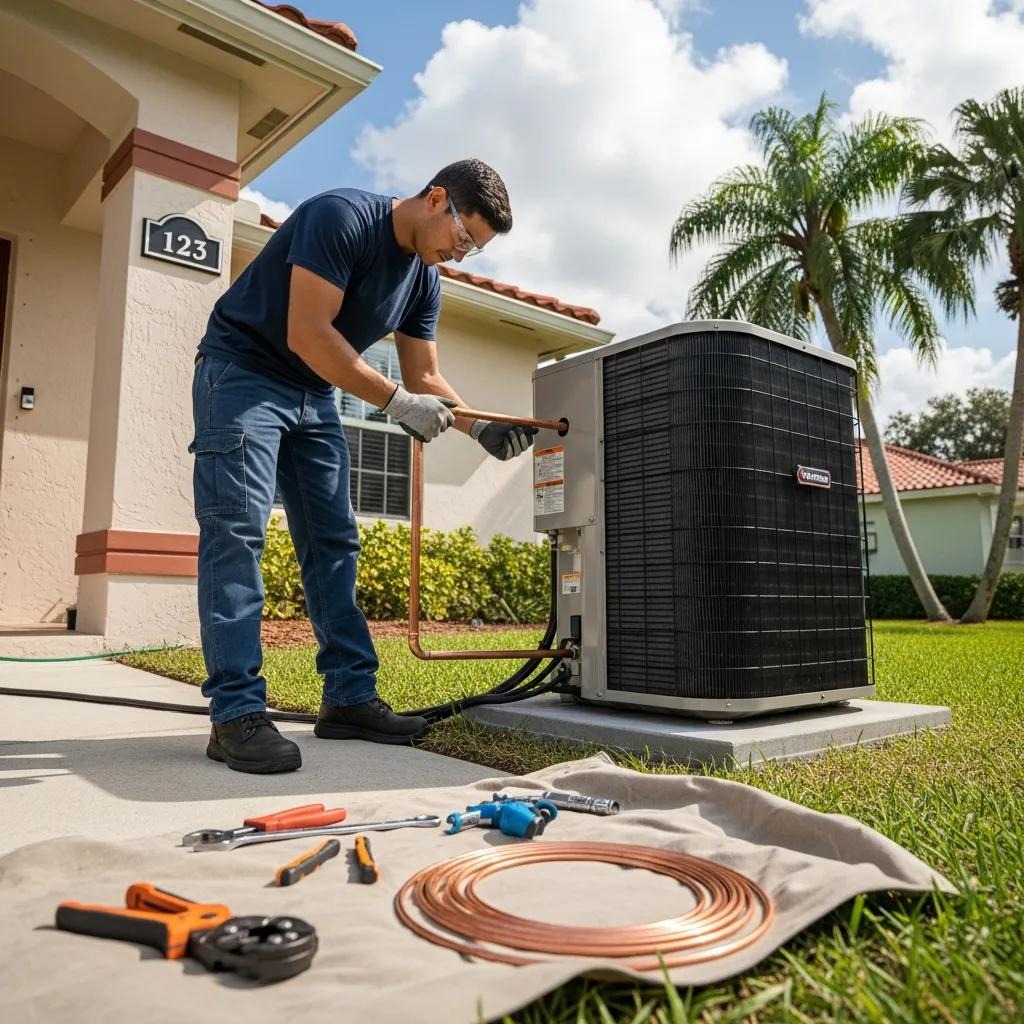
Installation quality affects efficiency and reliability. Knowing the steps and what a professional installer should do helps you get a smooth, trouble‑free setup.
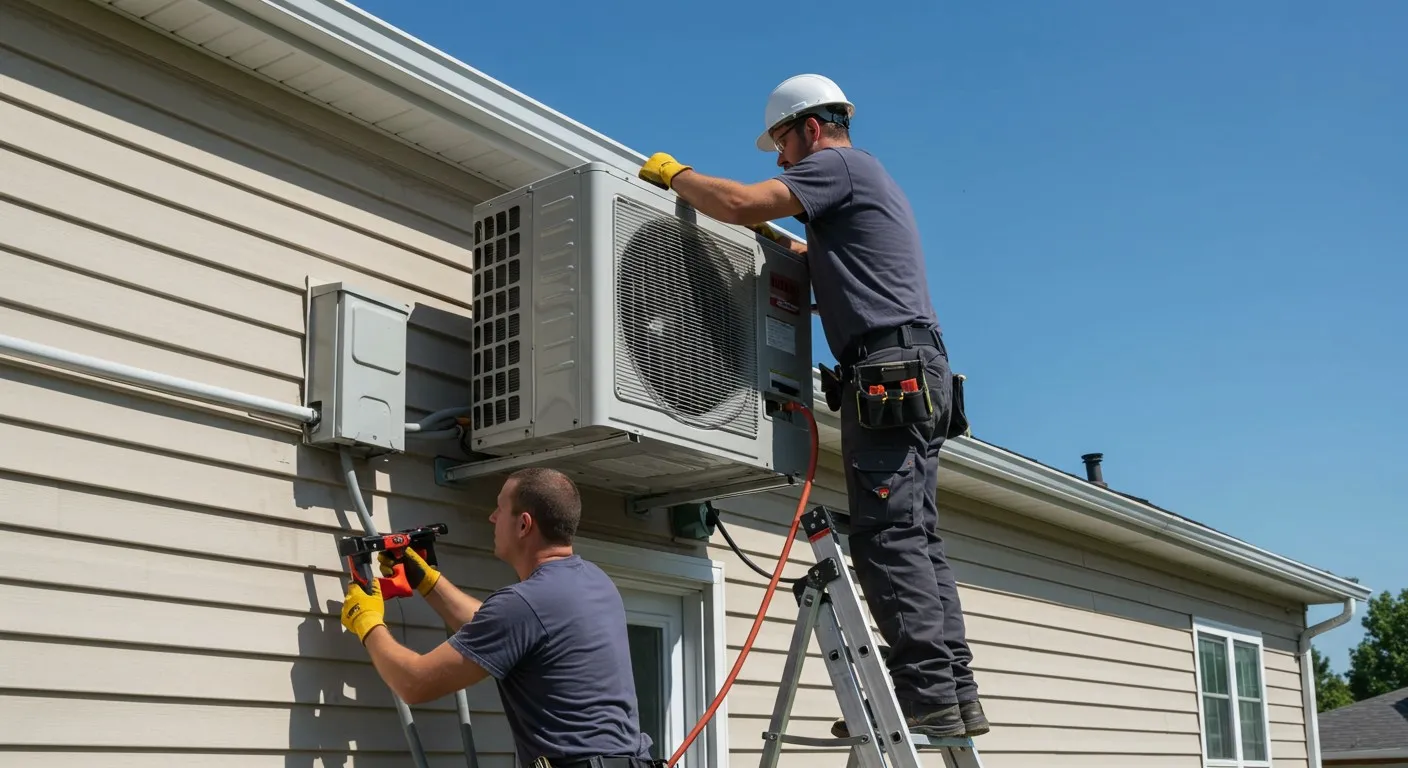
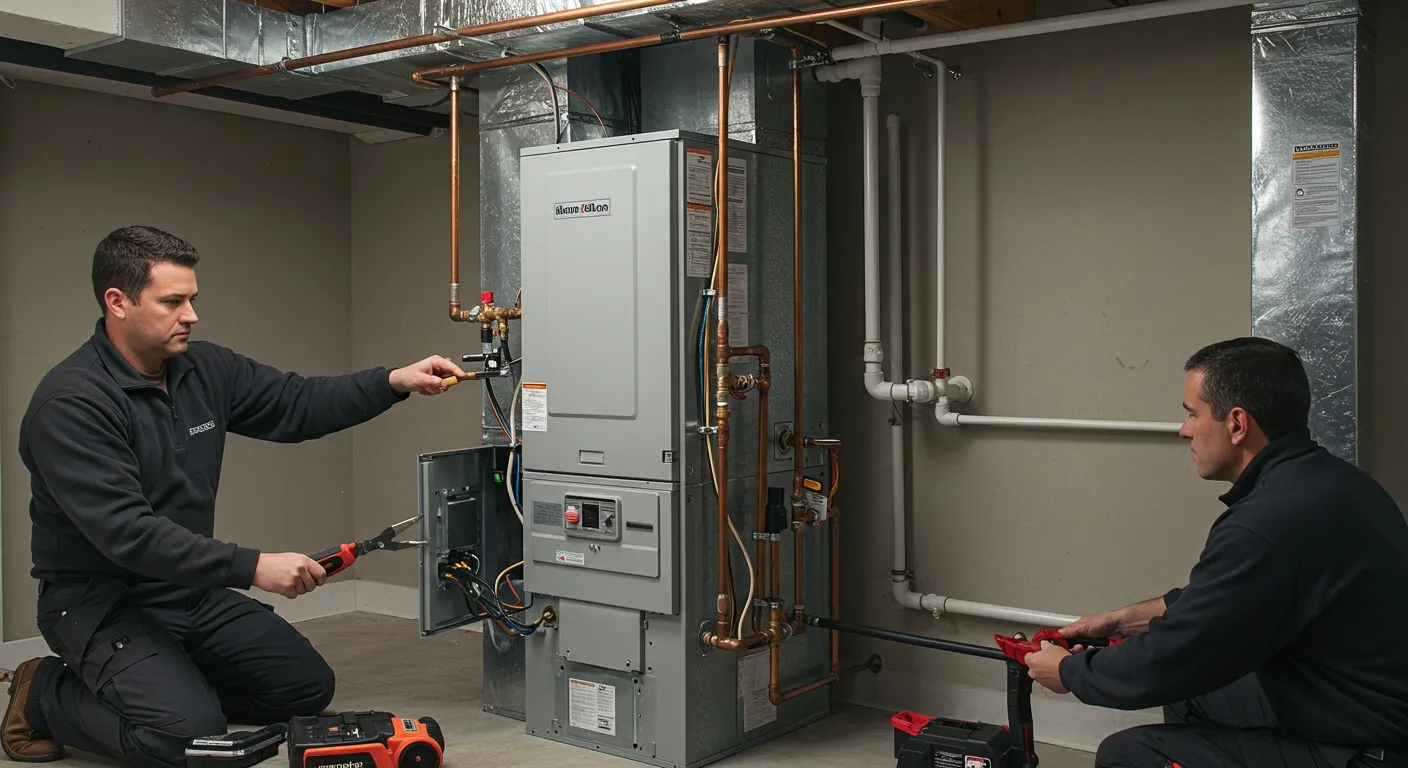
Our technicians follow industry best practices and local codes, take time to size and set up your system correctly, and complete thorough post‑installation testing. We focus on long‑term performance—not just a quick install—so your system runs as intended.
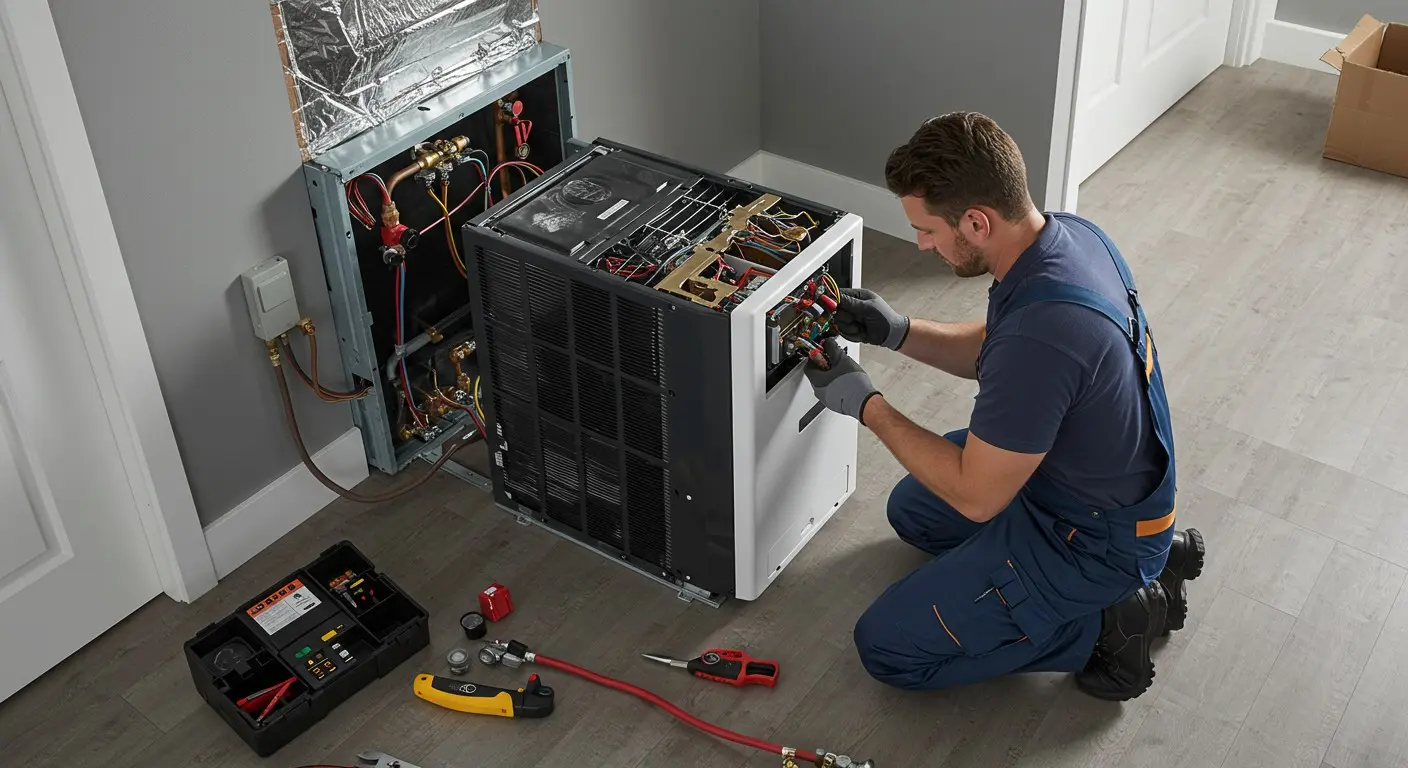
Typical install takes one to several days; permits and inspections may add time. A quality installer will inspect site, verify clearances, mount equipment, connect refrigerant and controls, commission the system, and leave documentation and operational instructions.
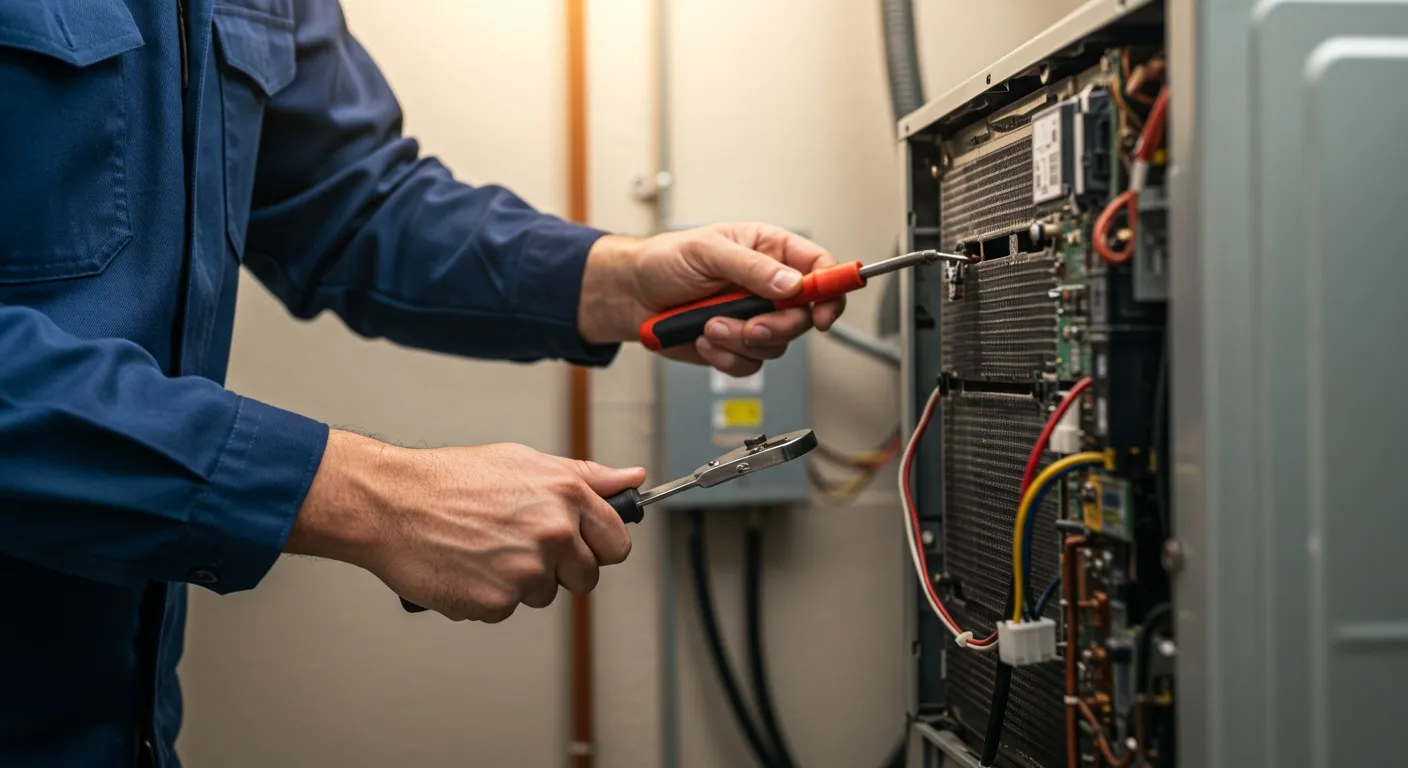
After installation we verify refrigerant charge, inspect electrical connections, confirm airflow and thermostat operation, and run performance tests. These checks make sure the system is safe, reliable, and efficient from the first day.
Price varies by system type, capacity, and installation complexity. Understanding costs, financing, and incentives helps you evaluate the true value of an upgrade.
Installation cost depends on the system type (air source, geothermal, ductless), home size, and any required modifications. Typical complete system installs often fall in the $4,000–$8,000 range, though your exact quote may differ—so it’s smart to get multiple estimates and compare lifetime energy savings.
Flexible financing options let you spread payments over time so you can upgrade without a large upfront hit. Many homeowners find financing an efficient way to lock in lower energy costs and improve comfort now while paying over months or years.
There are often local and federal incentives that reduce the net cost of high‑efficiency heat pumps. Check utility programs and federal initiatives like incentives tied to the Inflation Reduction Act—availability changes frequently, so we recommend confirming current rebates when planning your purchase.
Think in lifecycle terms: compare initial price plus expected energy use over 10–15 years and routine maintenance. A higher-efficiency unit may cost more up front but can pay back through lower bills; ask for modeled energy savings or sample payback scenarios.
Routine maintenance keeps your system running efficiently and helps avoid unexpected breakdowns. A simple annual tune‑up goes a long way.
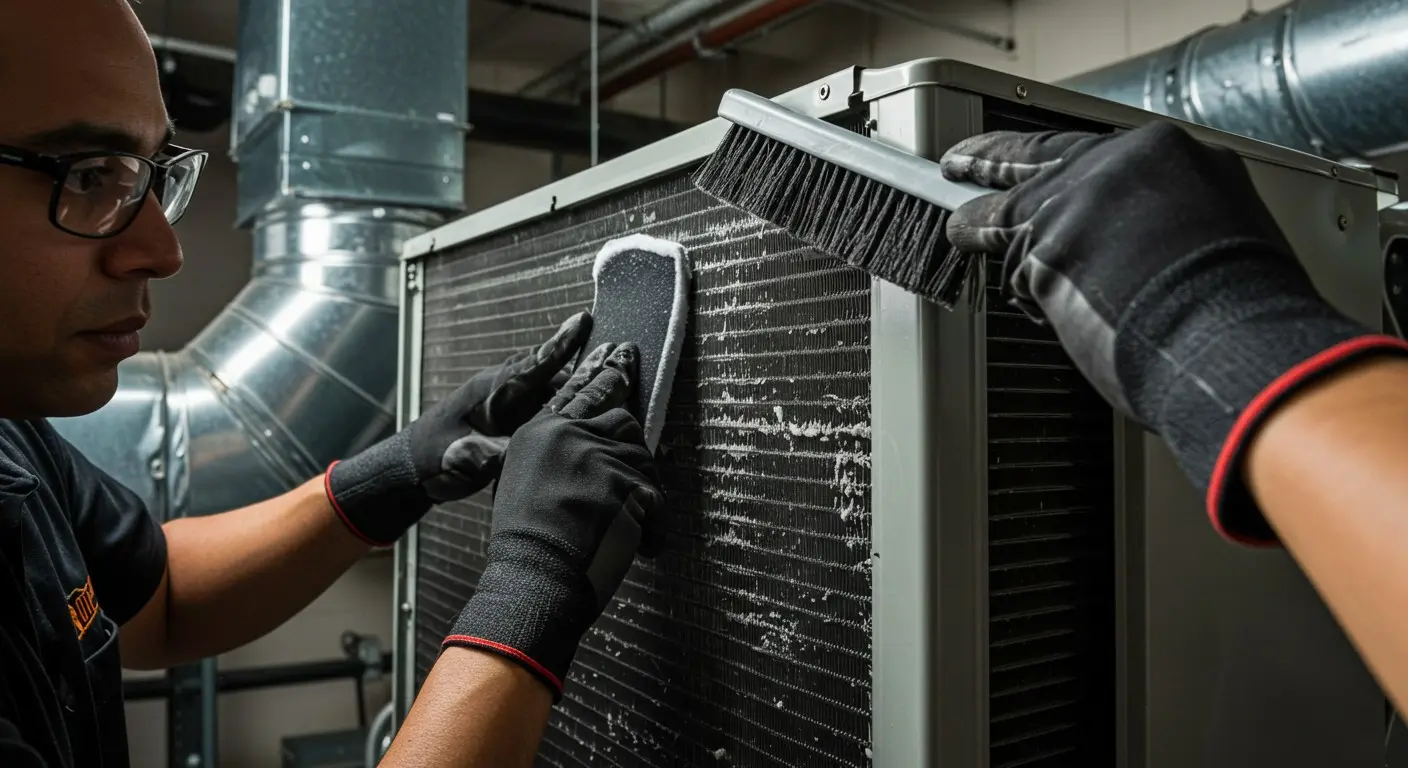
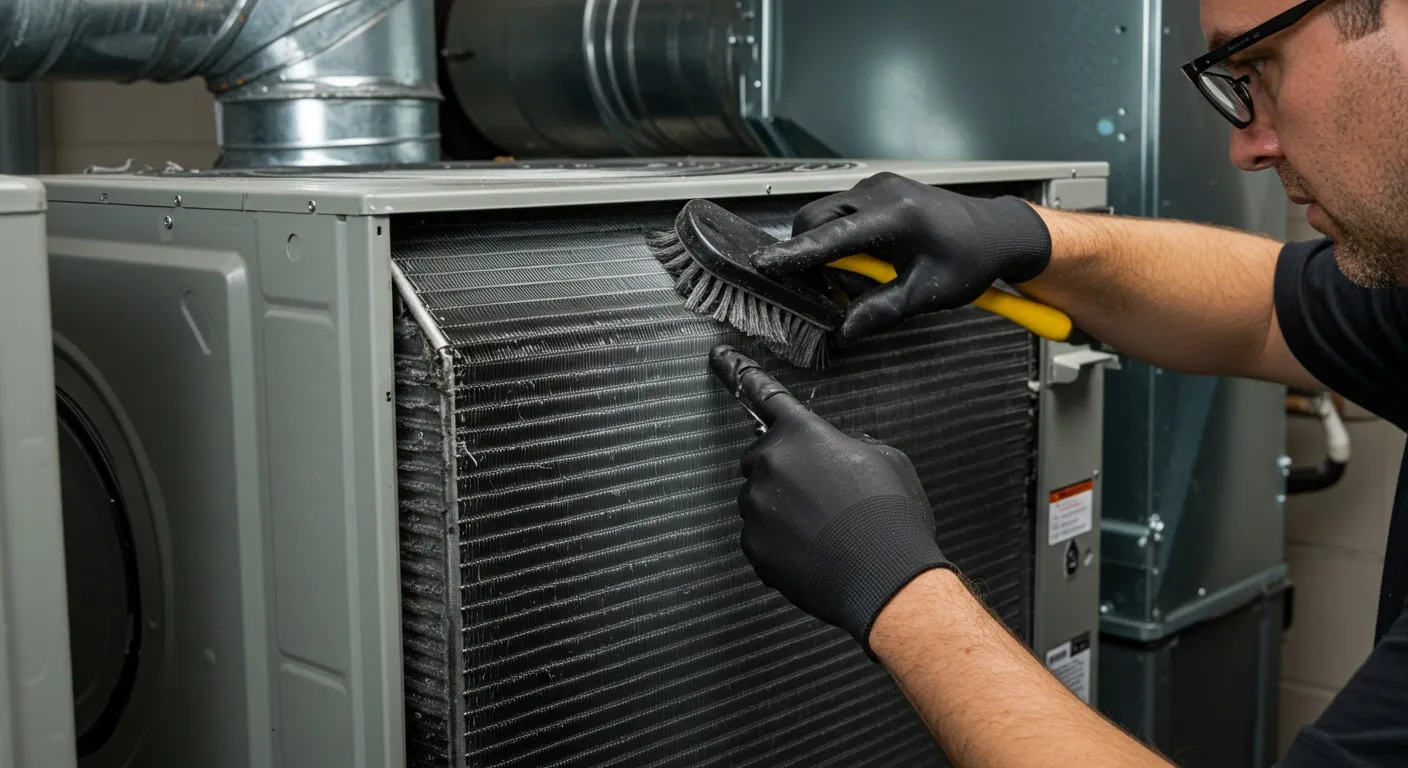
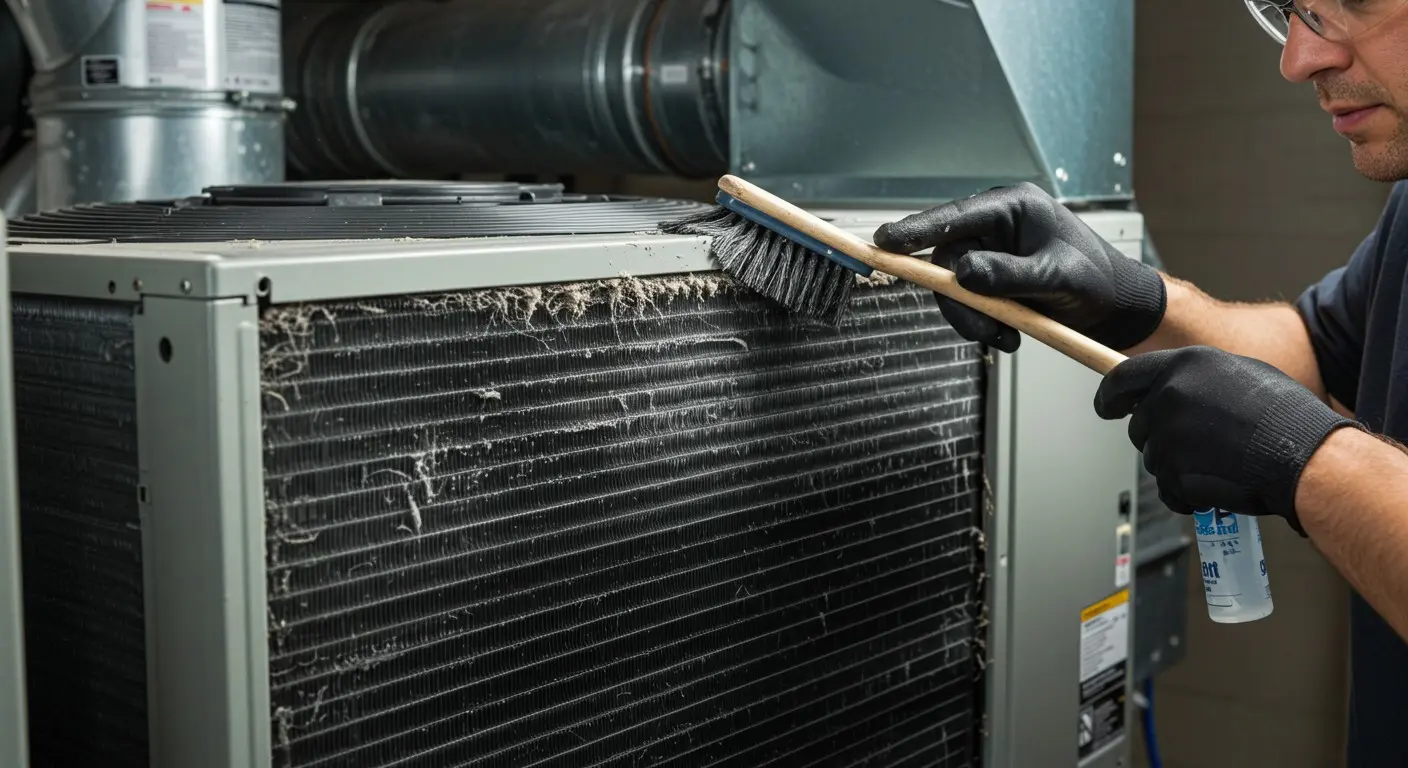
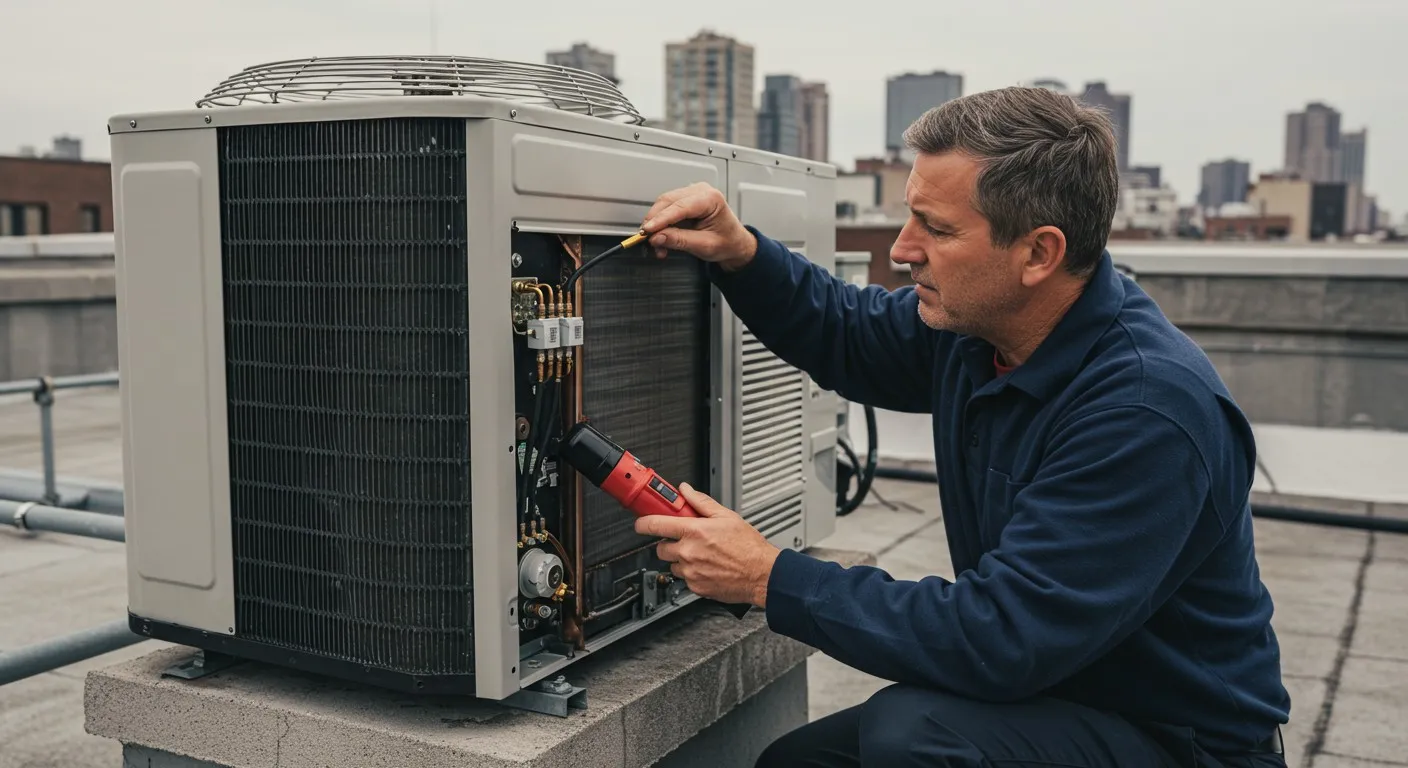
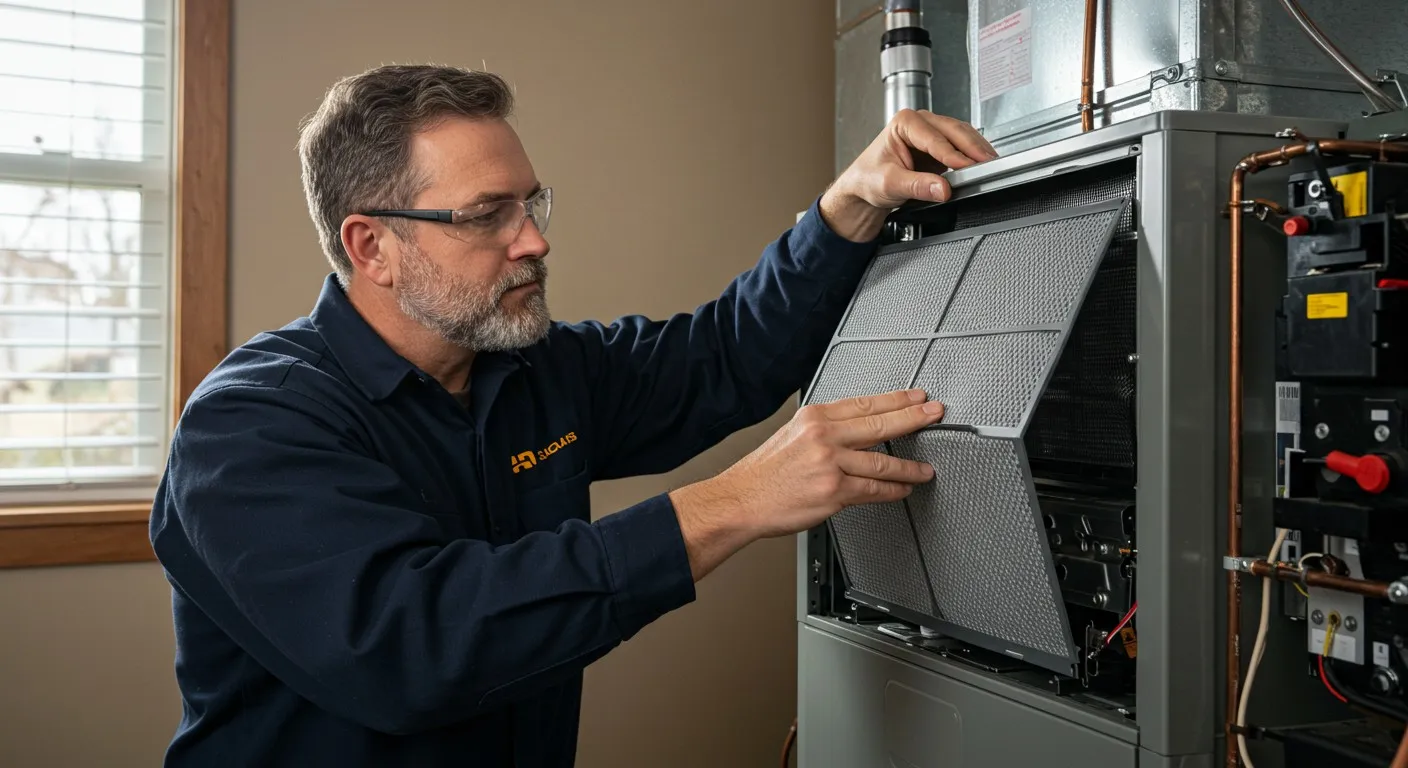
A full tune‑up typically includes cleaning coils, checking refrigerant levels, inspecting electrical components, lubricating moving parts, and testing controls and the thermostat. These steps keep efficiency high and reduce the chance of costly repairs later.
Family Comfort offers a maintenance plan that bundles regular tune‑ups, priority service, and repair discounts. Our plan helps protect your investment, keeps warranties valid, and gives you faster service when you need it.
• Change or clean filters every 1–3 months depending on use.
• Annual professional tune‑up including coil cleaning and refrigerant check.
• Keep outdoor unit clear of debris and vegetation.
• Check condensate drain and pan to prevent clogs and mold.
• Test thermostat scheduling and sensors seasonally.
Choosing the right heat pump for your North Texas home pays off in comfort, lower bills, and cleaner energy use. Focus on correct sizing, solid efficiency ratings, useful features (like variable speed and smart controls), and a trusted installer. If you’re ready to explore options, our team can help you compare systems, check rebates, and find the right solution for your home and budget. Take the first step toward a more comfortable, efficient home today.
Contact a local professional to schedule a home assessment and Manual J—this delivers accurate recommendations, personalized pricing, and a clear timeline for installation and available incentives. Start with a free estimate.


Stay comfy with 0% Financing for 12 Months on a new HVAC system through Synchrony and Wisetack! No hidden fees, no stress—just easy payments.