Blogs
Stay updated with our latest blog posts.


Mid-fall in Texas brings a welcome and highly anticipated shift in the weather. When that first October cold snap finally arrives, you naturally walk over to the thermostat and switch your system over to heat. But within minutes, a strong, alarming odor fills the house. Searching for reliable home maintenance tips and troubleshooting advice is usually the first reaction when your vents start smelling like something is on fire. At Family Comfort Heating & Air, our team fields dozens of frantic calls every October from homeowners facing this exact critical decision: do you wait out what might be a harmless odor, or do you shut down the system immediately to prevent a disaster?
For additional guidance on keeping your entire system running smoothly year-round, explore our comprehensive air conditioning services.
The abrupt transition from months of heavy, continuous cooling to the first significant cold snap puts a unique strain on your HVAC equipment. During an October mid-fall heating startup, the sensory experience of a strong burning smell immediately after the heater kicks on can cause understandable panic. However, understanding the mechanical connection between your summer cooling cycle and your fall heating cycle is the best way to prevent unnecessary worry. By knowing exactly what happens inside your ductwork and air handler when the seasons change, our experienced technicians can help you confidently determine whether your system is simply shaking off the dust or crying out for professional help.
The Problem: Your home's heating elements sit completely dormant for six to eight months during the long cooling season. While your air conditioner works overtime to keep you comfortable, the furnace or heat pump's heating components are entirely inactive, acting as a resting place for airborne particles.
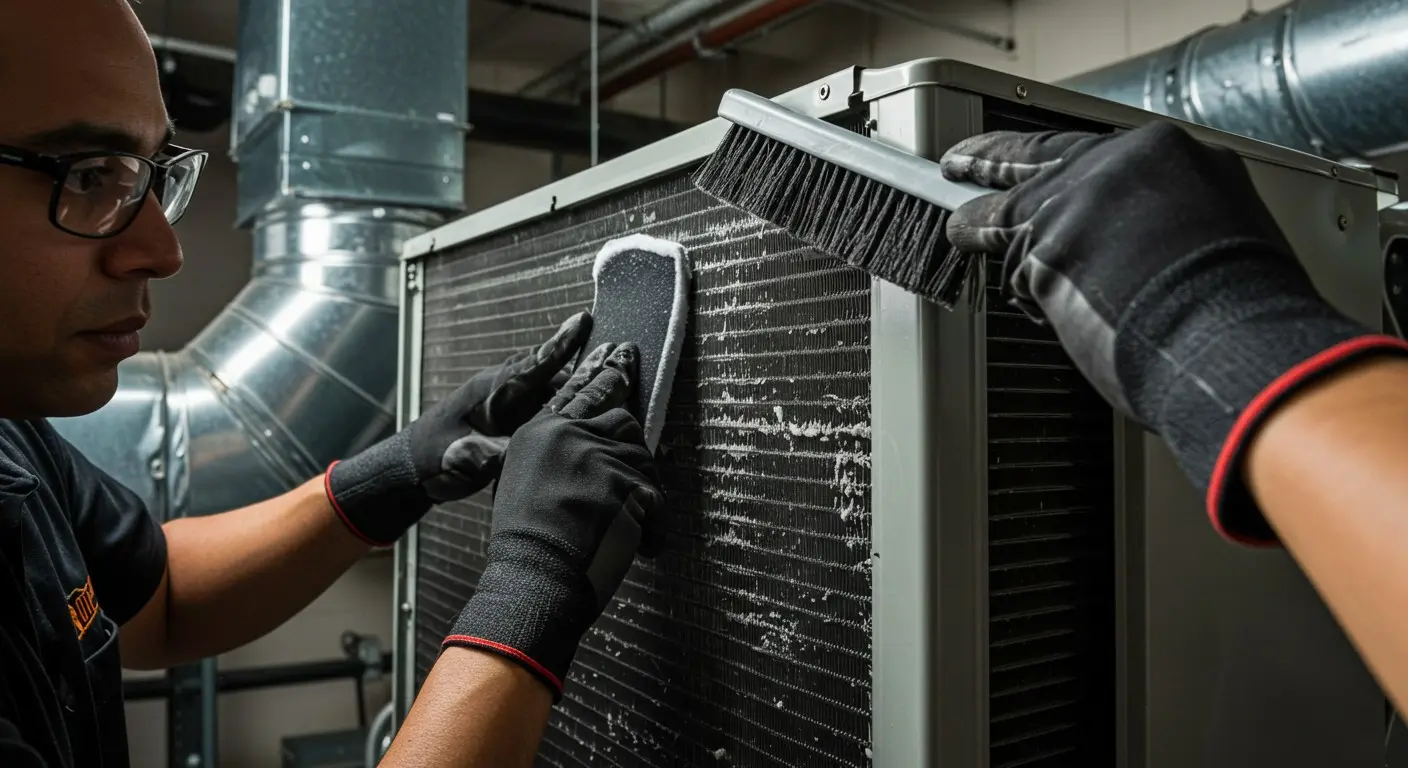
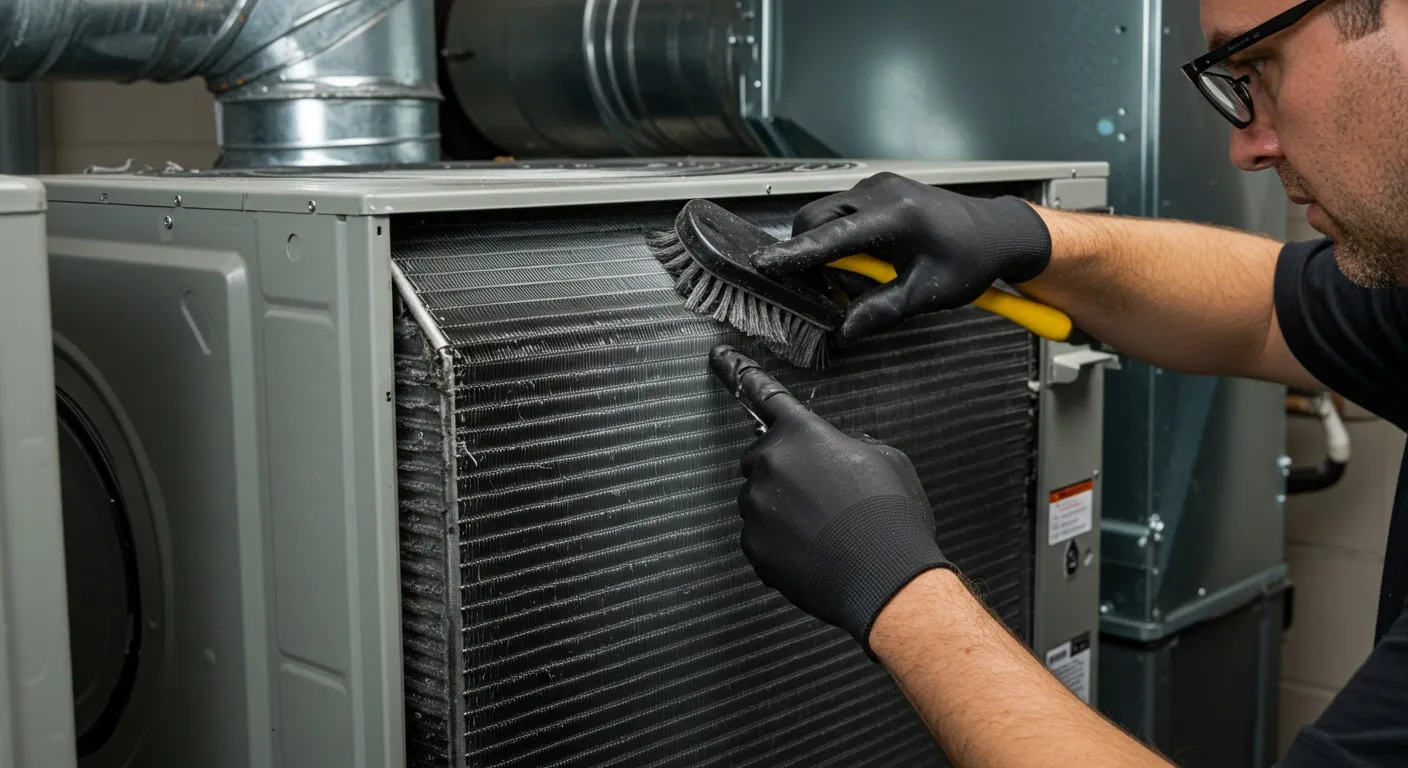
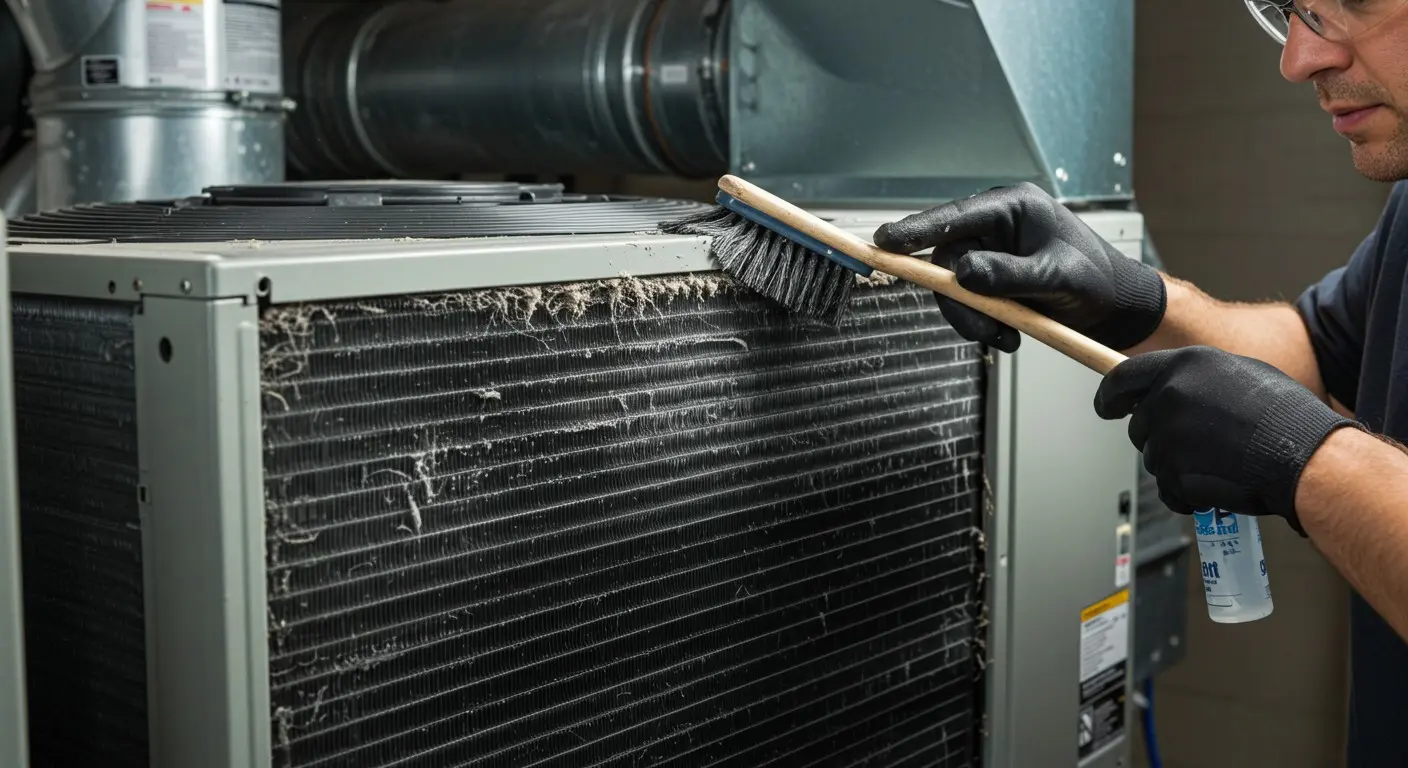
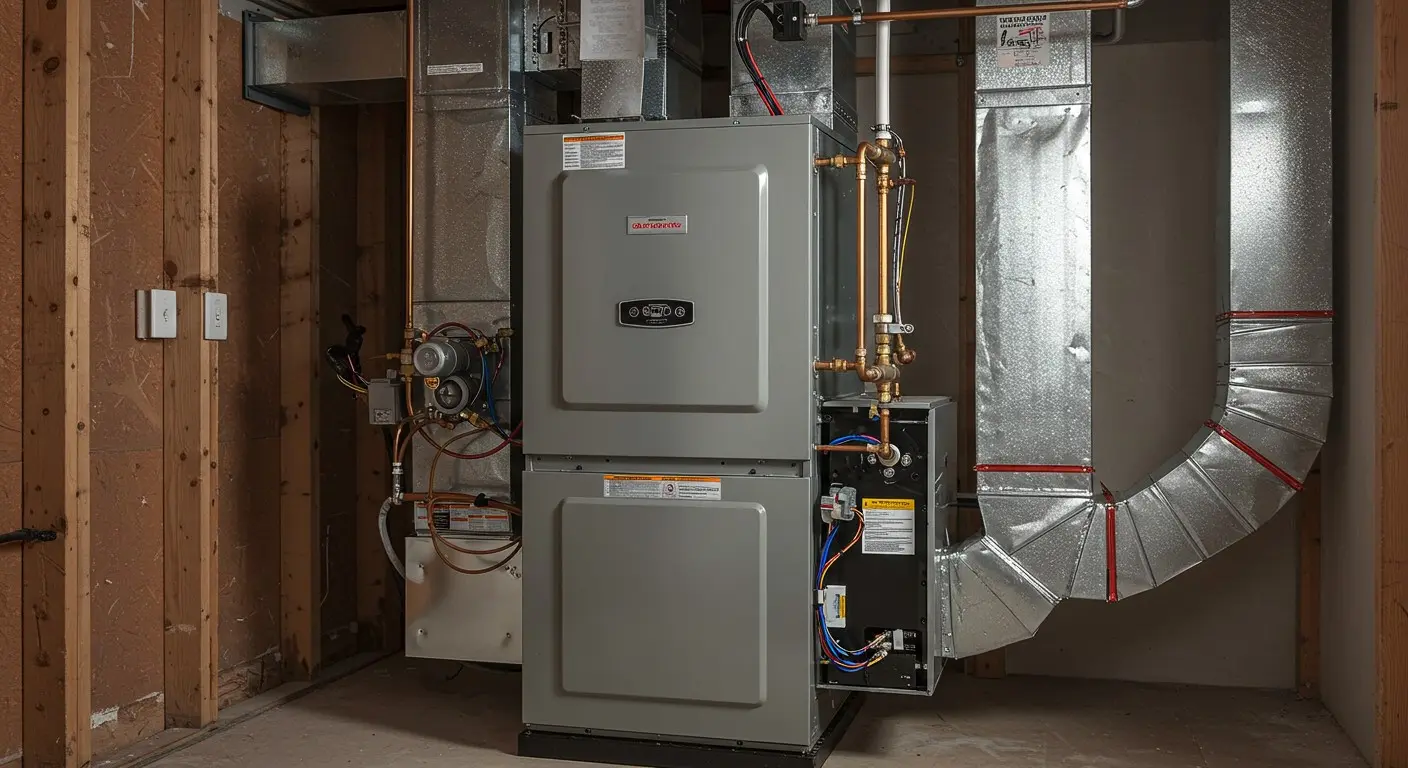
The Cause: In our years of servicing HVAC systems in Boyd, TX, we see firsthand how the intense summer heat and humidity require your cooling system to run almost constantly. This continuous airflow from the blower motor pulls microscopic household dust, pet dander, and airborne debris past your air filters over time. No filter catches 100% of particles. Over the course of a long Texas summer, this fine dust settles directly on the heat exchanger, the heating coils, and surrounding internal components. Because the heating cycle is turned off, this layer of dust continues to build up undisturbed week after week.
The Solution: When the heat finally engages during that first autumn chill, the sudden temperature spike incinerates the accumulated layer of dust all at once. The smell is simply the physical burn-off of months of settled debris. While our team considers this a normal mechanical process, excess buildup can sometimes point to airflow issues or a system that struggled during the summer. If you suspect your system took on too much wear and tear during the hotter months, scheduling AC repair in Boyd can ensure both your cooling and heating components are clean, calibrated, and ready for the shifting seasons.
When you experience an October mid-fall heating startup, having clear, reassuring parameters for normal system behavior is the best way to alleviate homeowner anxiety. The most important rule of thumb our Family Comfort Heating & Air technicians share regarding seasonal odors is the 15 to 30-minute dust burn-off timeline. Knowing what to smell for, and exactly how long it should last, puts you in control of the situation.
Not all burning smells are created equal. The scent of harmless dust burn-off is very distinct. It typically smells earthy, dry, and slightly stale—very similar to the scent of a hot space heater, a warm clothes dryer lint trap, or a hot radiator.
• Normal airflow: This earthy smell should always be accompanied by normal, warm airflow coming from your vents.
• Normal sounds: You should hear the standard click of the thermostat, the gentle hum of the blower motor, and the rush of air—without any grinding, squealing, or popping noises.
• No chemical notes: The smell should never be acrid, chemical, or metallic in nature.
Monitor the clock from the exact moment the blower motor engages and the warm air starts flowing. Under normal conditions, the burning dust smell should peak within the first five minutes and completely naturally dissipate within 15 to 30 minutes of continuous operation.
The ventilation trick: If the smell is overwhelming, your first instinct might be to turn the thermostat off. However, as we frequently advise our customers, turning the system off during this window actually prolongs the burn-off process. The dust will simply cool down and wait to burn again the next time you turn the heater on. Instead, leave the system running and open a few windows temporarily to clear the initial odor safely. If the smell intensifies or persists beyond the 30-minute mark, the issue shifts from a normal seasonal transition to a concerning mechanical problem.
While a brief, earthy smell is nothing to fear, it is vital to clearly differentiate between harmless dust and dangerous electrical or component failure smells that require immediate professional intervention. The blower motor inside your air handler works year-round for both cooling and heating. Extreme stress on the blower motor during a long Boyd TX summer can lead to internal wear and tear that finally manifests as an electrical failure during the fall switchover.
A sharp, acrid smell that resembles melting wire insulation, burning plastic, or fishy ozone indicates a serious overheating issue. These odors do not dissipate. In fact, they often grow stronger and more toxic the longer the system runs. This happens when wire casings melt, capacitors overheat, or a seized motor begins to burn out.
Electrical issues do not always start at the blower motor itself; sometimes the warning signs begin at the control level before cascading into larger problems. For example, our team recently helped a local homeowner who noticed their thermostat was not working well during a seasonal temperature shift. We dispatched a technician who replaced the thermostat right away, which promptly restored proper communication and prevented the system from running erratically. Catching electrical and control issues early saves your larger, more expensive components from catastrophic failure.
The immediate action required: If you smell melting plastic or ozone, do not wait 30 minutes. Shut off the system at the thermostat immediately, and then flip the breaker to the HVAC system in your electrical panel to cut all power. Professional diagnostics are mandatory when electrical odors are present.
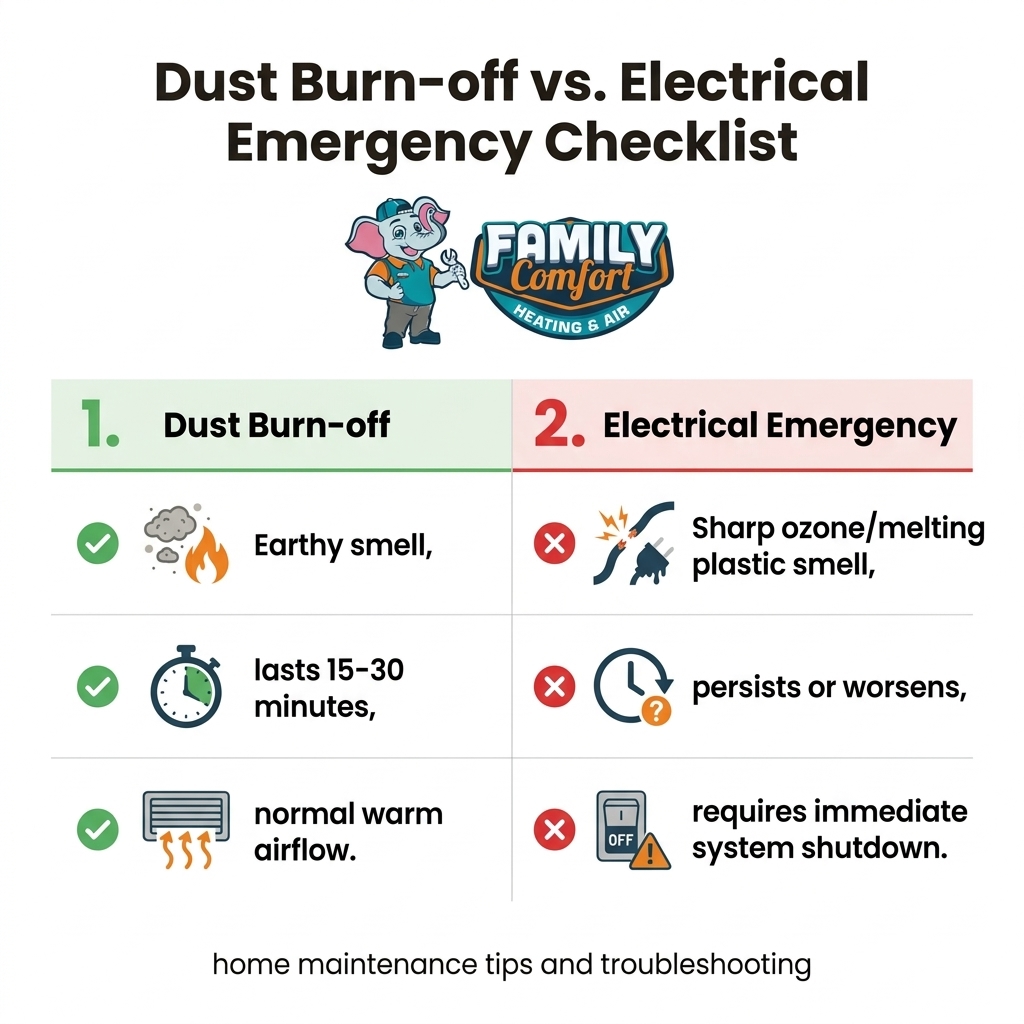
• Type of Smell — Dust Burn-Off (Normal): Earthy, dry, warm lint, hot radiator — Electrical Failure (Danger): Sharp ozone, fishy, melting plastic, chemical
• Duration — Dust Burn-Off (Normal): Fades entirely within 15 to 30 minutes — Electrical Failure (Danger): Persists, worsens, or lingers for hours
• Airflow Quality — Dust Burn-Off (Normal): Steady, warm, normal pressure — Electrical Failure (Danger): Weak airflow, cold air, or erratic blowing
• Required Action — Dust Burn-Off (Normal): Let it run, open a window to ventilate — Electrical Failure (Danger): Shut off at thermostat and breaker immediately
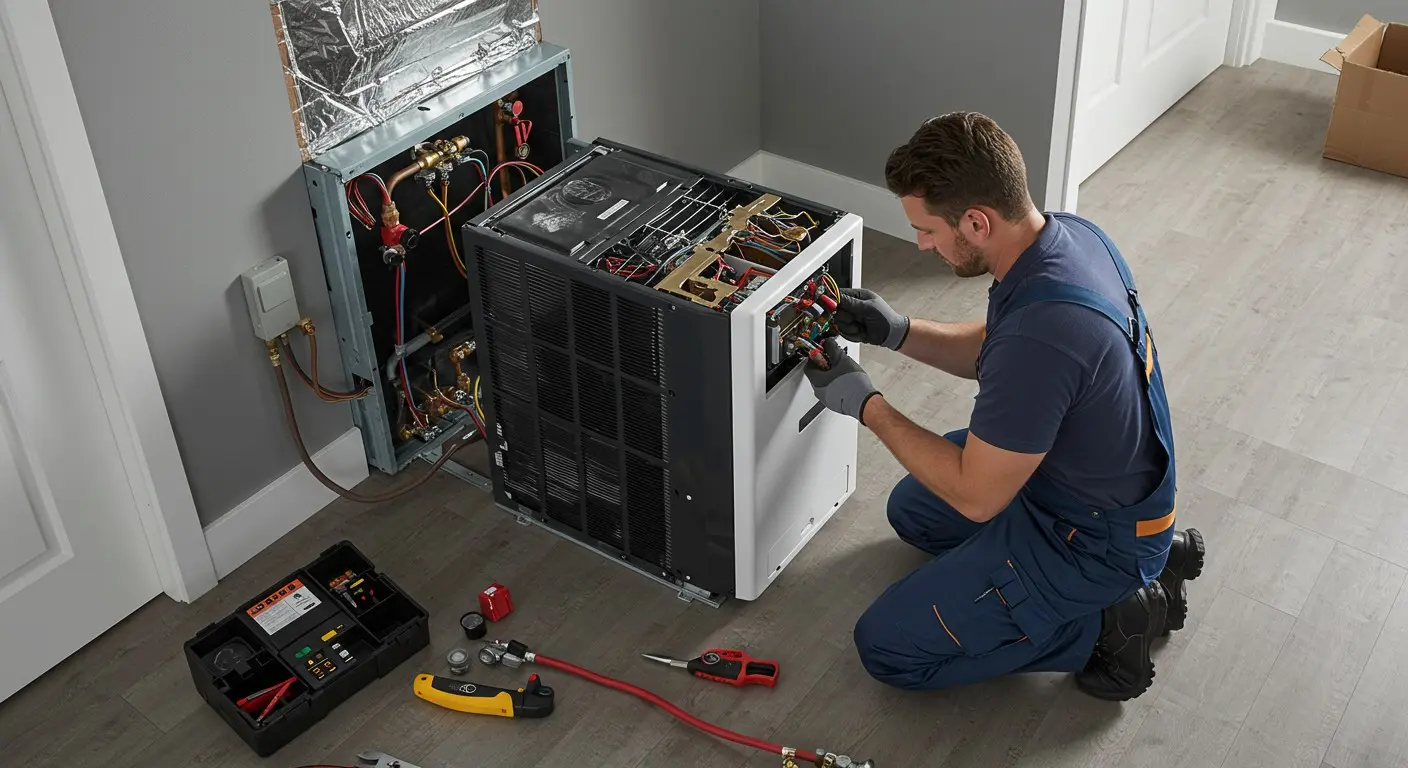
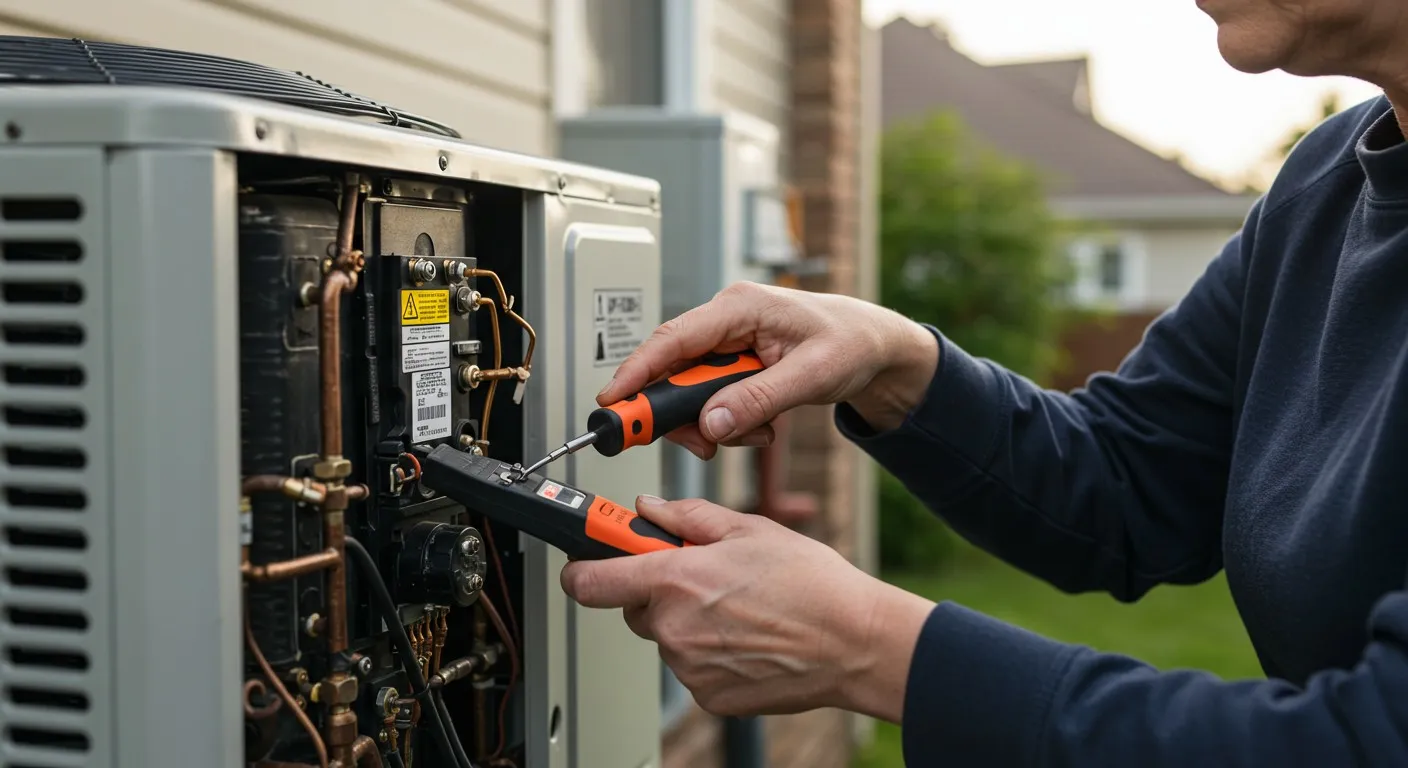
When an October mid-fall heating startup goes wrong and an electrical smell fills the air, human curiosity often tempts homeowners to grab a screwdriver and open the furnace panel to see what is burning. We cannot stress enough that this is a highly dangerous mistake. Enforcing strict safety protocols and warning against DIY electrical diagnostics is critical for protecting both your home and your family.
High-voltage risks: Your HVAC system operates on high voltage. Even when the thermostat is turned off, internal components like capacitors store massive amounts of electrical charge. Touching the wrong wire or terminal can result in severe, life-threatening shocks. The complexity of the shared electrical components between the cooling and heating systems means that a single mistake can short out the entire control board.
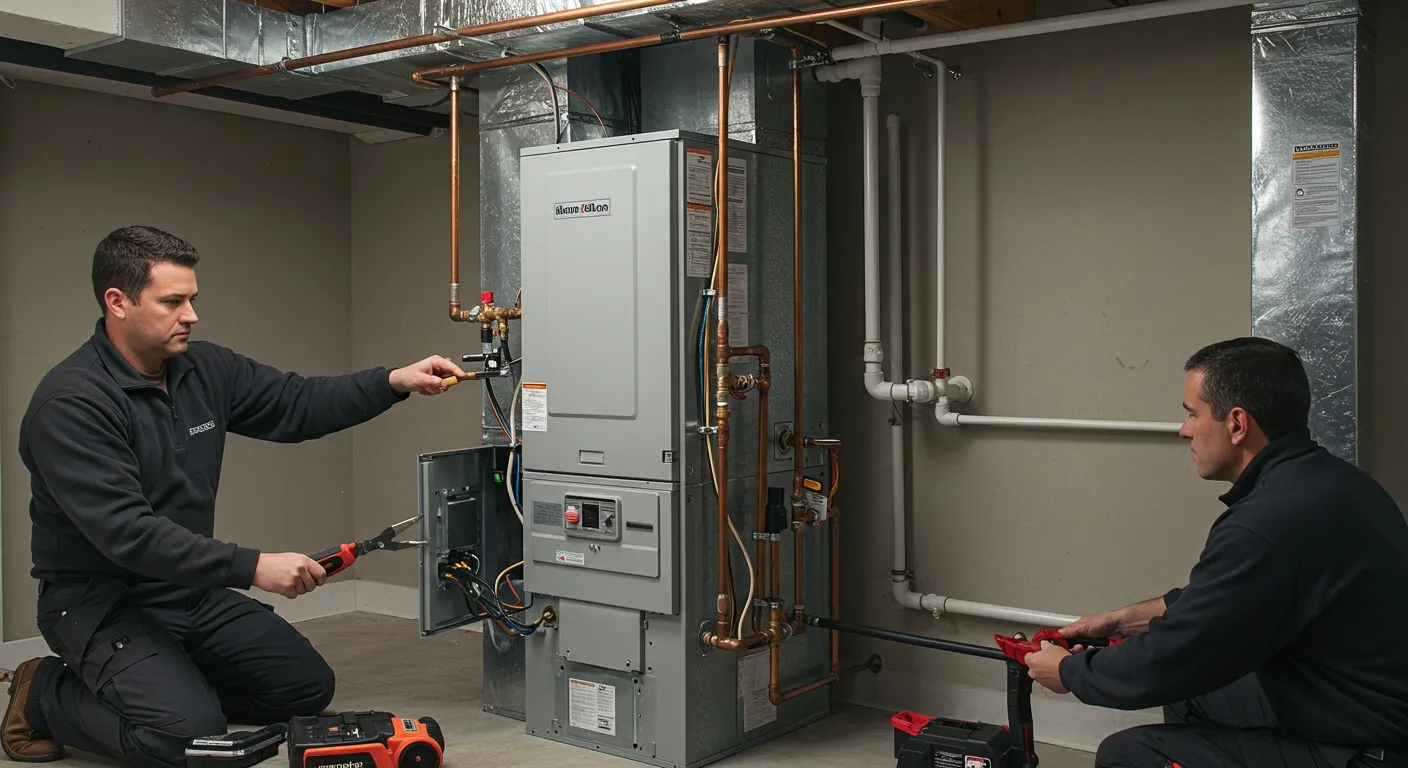
Warranty and compliance issues: Beyond the physical danger, tampering with internal panels, splicing wires, or attempting to clean a heat exchanger with household tools can instantly void your manufacturer warranties. Modern HVAC systems are highly calibrated pieces of machinery. Our team strongly agrees with the National Fire Protection Association (NFPA) recommendation that only trained, licensed professionals handle internal heating equipment inspections and repairs. Relying on an expert is also the best strategy for avoiding a misdiagnosed compressor or blower motor issue, ensuring that the root cause of the burning smell is accurately identified and safely resolved.
The best way to handle a burning smell is to minimize it before it ever happens. Educating yourself on proactive maintenance steps helps reduce odors, improves indoor air quality, and ensures system reliability during seasonal shifts in Boyd TX. Taking a few simple steps before the cold weather permanently sets in can make your transition to heating smooth and stress-free.
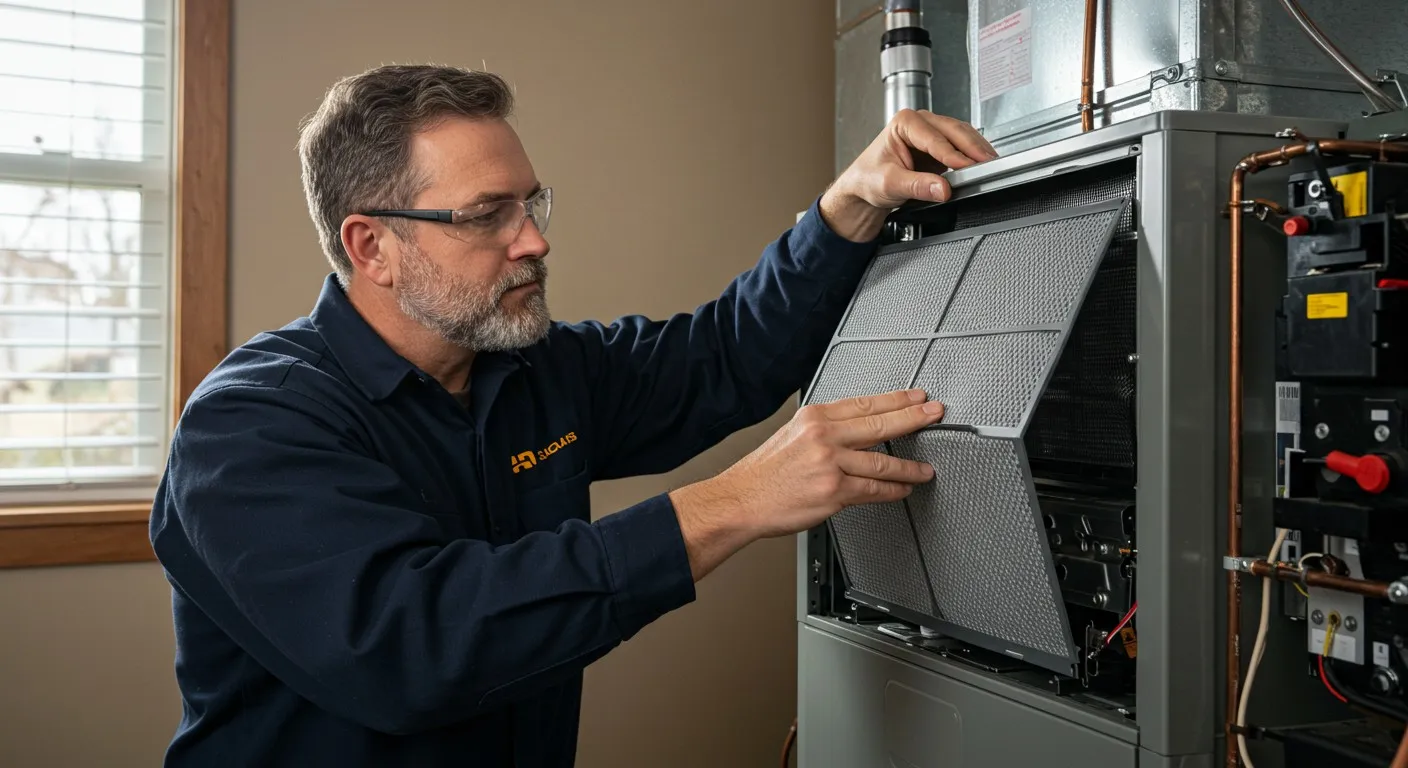
1. Replace your air filters immediately: Swap out your HVAC filters right before the first cold snap. A fresh filter maximizes airflow, reduces the amount of dust circulating through the house, and prevents the blower motor from suffocating. A clogged filter makes the system work harder, which can artificially create a burning smell as the motor overheats.
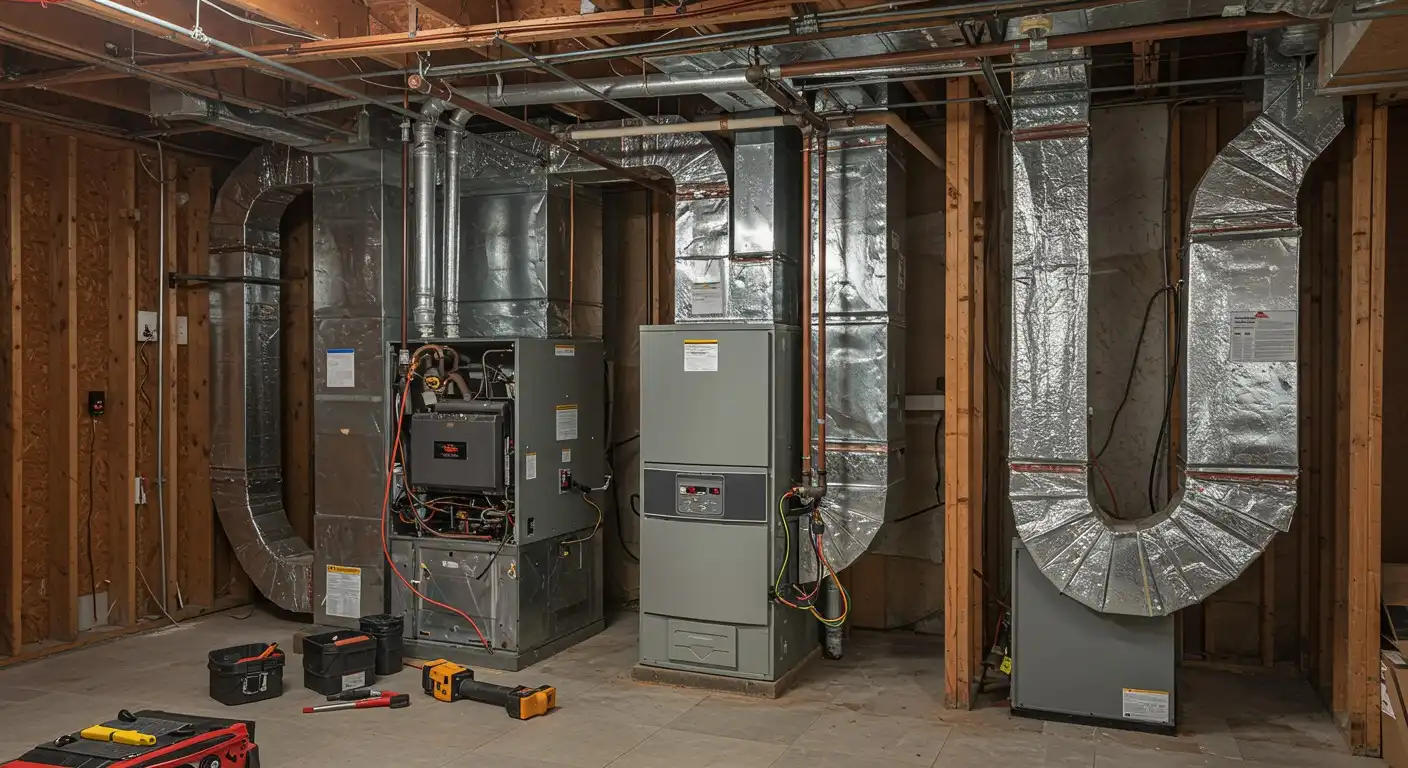
2. Clear the area around the indoor unit: Whether your air handler is in a closet, a basement, or an attic, ensure there is a clear perimeter around the unit. Remove stored boxes, brooms, seasonal decorations, and cleaning supplies. This prevents external dust, lint, and chemical vapors from being pulled into the system's intake.
3. Schedule a pre-season professional inspection: The true value of routine maintenance is prevention. One of our trained technicians can safely open the unit, clean the heat exchanger, test the electrical connections, and lubricate moving parts before you ever turn the heat on. Staying on top of routine AC maintenance in the spring and heating maintenance in the fall ensures your system is clean year-round.
4. Monitor system performance closely: During the first few days of heating operation, pay attention to how often the system cycles on and off. Short-cycling (turning on and off rapidly) combined with a burning smell usually indicates an airflow restriction or a failing safety switch that needs professional calibration.
When that October mid-fall heating startup brings unexpected smells into your living room, it is entirely normal to have questions. Whether you are handling basic seasonal upkeep or looking for AC repair services in Azle and the surrounding communities, having the right information keeps your home safe. Here are the direct, concise answers our team provides to the most common questions homeowners ask during the fall switchover.
Yes, a brief burning smell is a standard part of the seasonal transition. Because the heating elements sit unused all summer, they collect a layer of household dust. When the heat turns on for the first time, this dust safely burns off, creating a temporary earthy or dusty odor that travels through your vents.
The smell should completely dissipate within 15 to 30 minutes of continuous operation. It is important to let the system run during this time so the dust fully clears. If you turn the system off too soon, the burn-off process will simply pause and resume the next time you turn the heat on.
An electrical issue smells distinctly sharp, acrid, and chemical, often resembling melting plastic, burning rubber, or a fishy ozone scent. Unlike burning dust, an electrical smell will not fade away after 30 minutes; it will persist and often grow stronger, requiring you to shut down the system immediately.
While the standard layer of summer dust on a heat exchanger is rarely enough to start a fire, extreme neglect can be dangerous. If the air filter is completely impacted or if large debris (like pet hair or lint) has gathered inside the cabinet, it poses a hazard. Routine professional cleaning removes this risk entirely.
An ozone smell usually points to a failing blower motor or a damaged capacitor that was overworked during the summer cooling season. The blower motor is shared by both the AC and the heater, so summer wear and tear often reveals itself as an electrical short the moment the system switches modes in the fall.
Yes, opening a few windows for 10 to 15 minutes is a great way to ventilate your home during the initial dust burn-off. This allows the harmless but irritating dusty smell to escape while the system completes its necessary clearing cycle.
Transitioning your home for the cooler weather ahead should bring relief, not stress. While a brief burning dust smell is a completely normal part of the seasonal shift in Boyd TX, knowing the difference between harmless dust and a dangerous electrical issue empowers you to protect your home. Remember the 30-minute rule: if an earthy smell fades quickly, your system is just clearing its throat. However, if you ever detect the sharp scent of melting plastic or ozone, or if a burning smell persists, immediate action is required.
At Family Comfort Heating & Air, our core value is providing prompt, reliable service that restores your household comfort quickly without causing unnecessary panic. You do not have to guess whether your HVAC system is safe to operate. By relying on our local experts to inspect, clean, and repair your equipment, you ensure that your family stays warm, safe, and breathing clean air all season long.


Stay comfy with 0% Financing for 12 Months on a new HVAC system through Synchrony and Wisetack! No hidden fees, no stress—just easy payments.