Blogs
Stay updated with our latest blog posts.


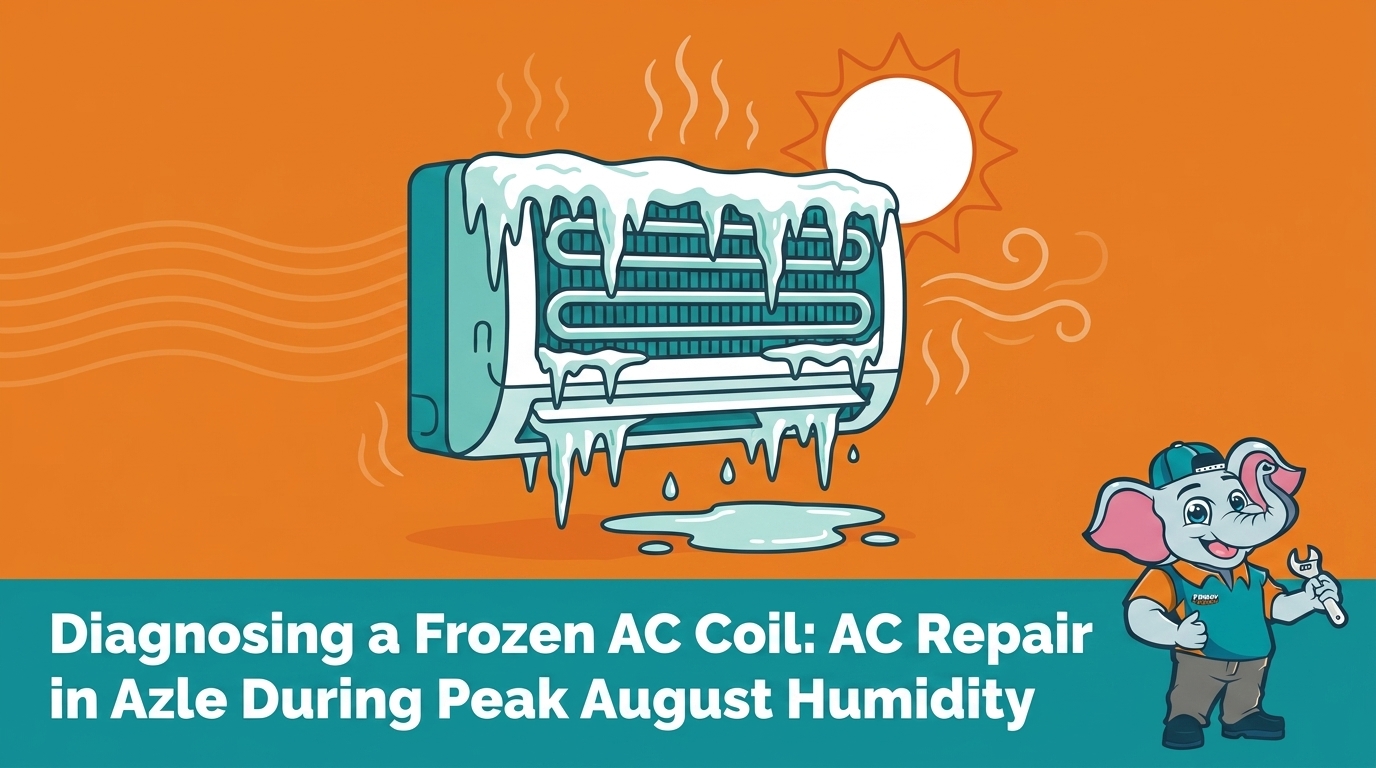
Your air conditioner is running nonstop, but the vents are blowing stubbornly warm air, and you have just discovered a thick block of ice growing over your indoor unit. At Family Comfort Heating & Air, if you are wondering how we diagnose a frozen AC coil in Azle when the August humidity peaks, we can assure you that you are certainly not alone. Our team typically sees a surge of these frustrating scenarios right as families are making the back-to-school transition, leaving homeowners uncomfortable and concerned about potential system damage.
For comprehensive cooling solutions, learn more about our air conditioning services to keep your home comfortable year-round.
The specific climate of North Texas creates a perfect storm for residential HVAC systems. Late-summer Gulf moisture surges dramatically increase the humidity load on your home. A pattern we see often is that when your air conditioner is forced to struggle against both extreme heat and heavy airborne moisture, the mechanical strain multiplies. An air conditioner does not actually create cold air; it removes heat and moisture from the indoor air. When the system is overworked and airflow is compromised, the natural condensation inside the unit freezes solid instead of draining away.
Understanding this mechanical failure is the first step in determining your next move. A frozen system is a clear signal that the delicate balance between airflow and temperature has been broken. By looking transparently at how a professional diagnoses this issue, you can better understand what is happening inside your utility closet without getting lost in dense technical jargon. We rely on a structured, step-by-step diagnostic process honed over years of local service to identify exactly why that August late-summer peak humidity is overwhelming your equipment.
To understand why an AC unit turns into a block of ice in the middle of a Texas summer, it helps to look at the two distinct jobs your system performs. Air conditioners are responsible for lowering the temperature, which is known as sensible heat. They are also responsible for removing moisture from the air, which is known as latent heat. Both processes happen simultaneously as warm indoor air blows across the chilled evaporator coil.
The Department of Energy recommends keeping indoor humidity levels between 30 and 50 percent for optimal comfort and system efficiency. However, during an August late-summer peak humidity event, high outdoor dew points force your AC unit to run continuously. The system is pulling gallons of water out of your indoor air every single day. This heavy moisture extraction creates excessive condensation on the evaporator coil.
Under normal conditions, this condensation drips harmlessly into a drain pan and flows outside. But a chain reaction occurs when the system is starved for airflow or suffering from an internal mechanical issue. Without enough warm indoor air passing over the coil to keep it above freezing, the temperature of the metal drops rapidly. The heavy condensation instantly turns to frost, and then to solid ice.
The cascading effect:
• Initial frost: A thin layer of white frost begins to coat the copper coils and aluminum fins.
• Airflow blockage: As the frost thickens into ice, it physically blocks the narrow spaces between the fins, further restricting the warm air the system desperately needs.
• Solid freeze: The coil becomes a solid block of ice, insulating the refrigerant from the indoor air entirely. The system runs endlessly but can no longer absorb heat, resulting in warm air blowing from your vents.
Explaining these complex physics in neighborly, accessible terms is part of Family Comfort Heating & Air's commitment to transparent service. You do not need to be an engineer to understand that your system needs a constant supply of warm air to keep that heavy late-summer condensation from freezing over.
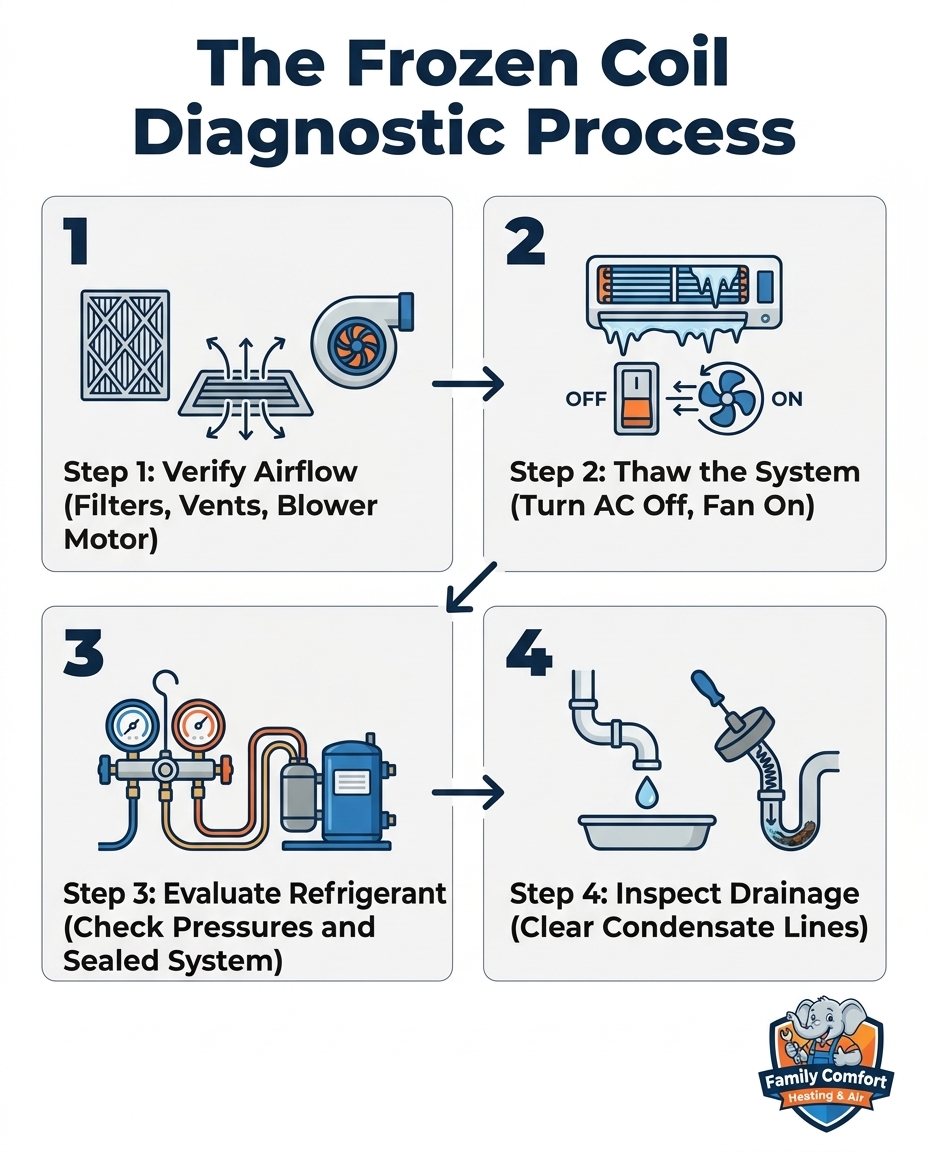
Restricted airflow is the primary or compounding cause of almost all frozen evaporator coils we encounter. When a technician arrives at your home, the very first phase of the professional diagnostic process focuses on how air moves through your ductwork and across the equipment. If warm air cannot reach the coil, the temperature of the refrigerant drops below freezing, turning that heavy Azle humidity into solid ice.
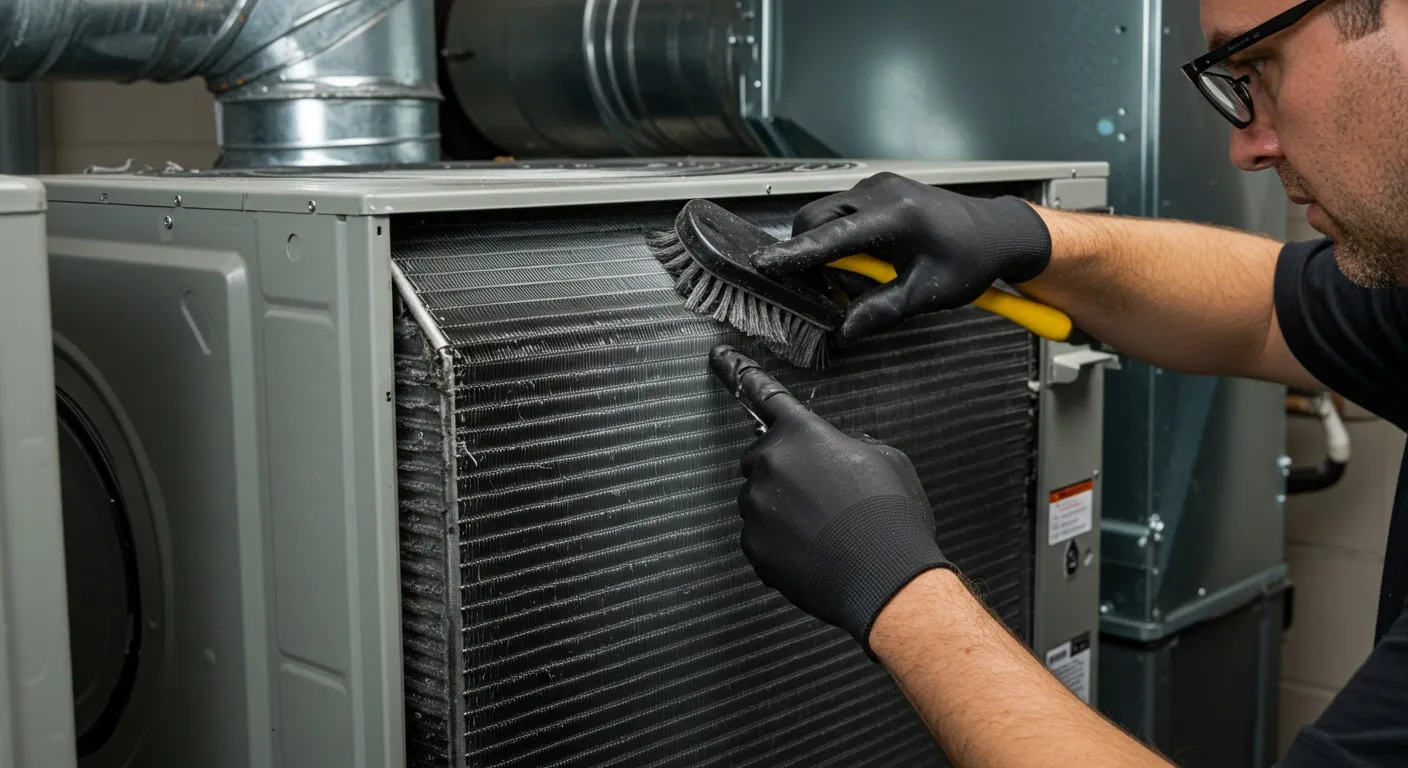
Our technicians start by checking the most obvious airflow bottlenecks. We inspect the return air pathways to ensure furniture or rugs are not blocking the grilles. We evaluate the integrity of the ductwork, looking for collapsed sections or heavy debris buildup that might be choking the system. We also look at the air filter, as a pattern we see often in Azle homes is a severely clogged filter choking off the air supply.
One Azle homeowner reached out to us during a late-summer morning when their system froze up due to a failing internal component that restricted airflow. A technician arrived by mid-morning, diagnosed the faulty part, changed it out, and performed a full system inspection. The airflow was restored, and the entire issue was resolved in about an hour, getting the house cooling again before the afternoon heat peaked.
If you want to check a few basic things yourself before making a call, read our guide on troubleshooting lukewarm air before calling for repair.
The blower motor is the heart of your home's ventilation system. It is responsible for pulling warm air from your rooms and pushing it across the cold evaporator coil. If the blower motor is underperforming, it simply fails to push enough air to prevent freezing.
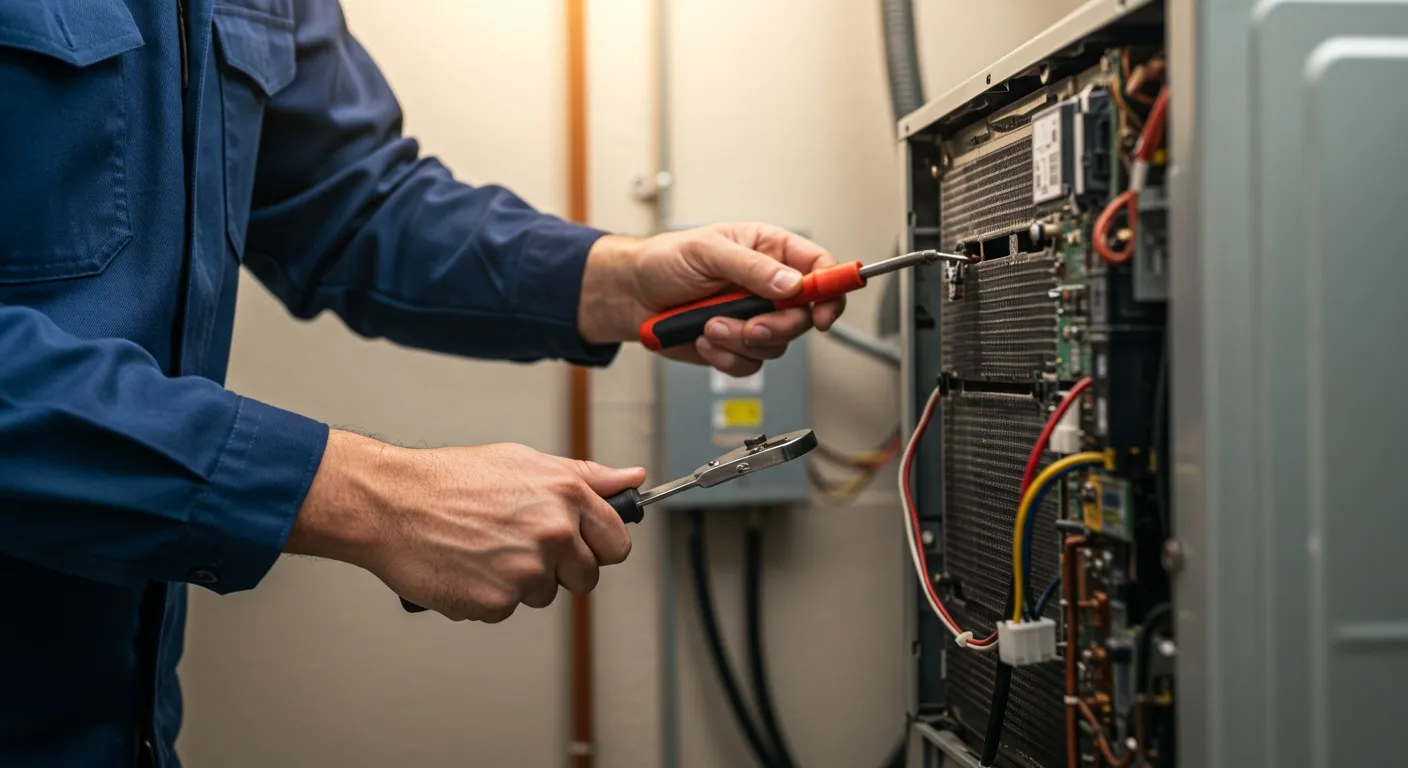
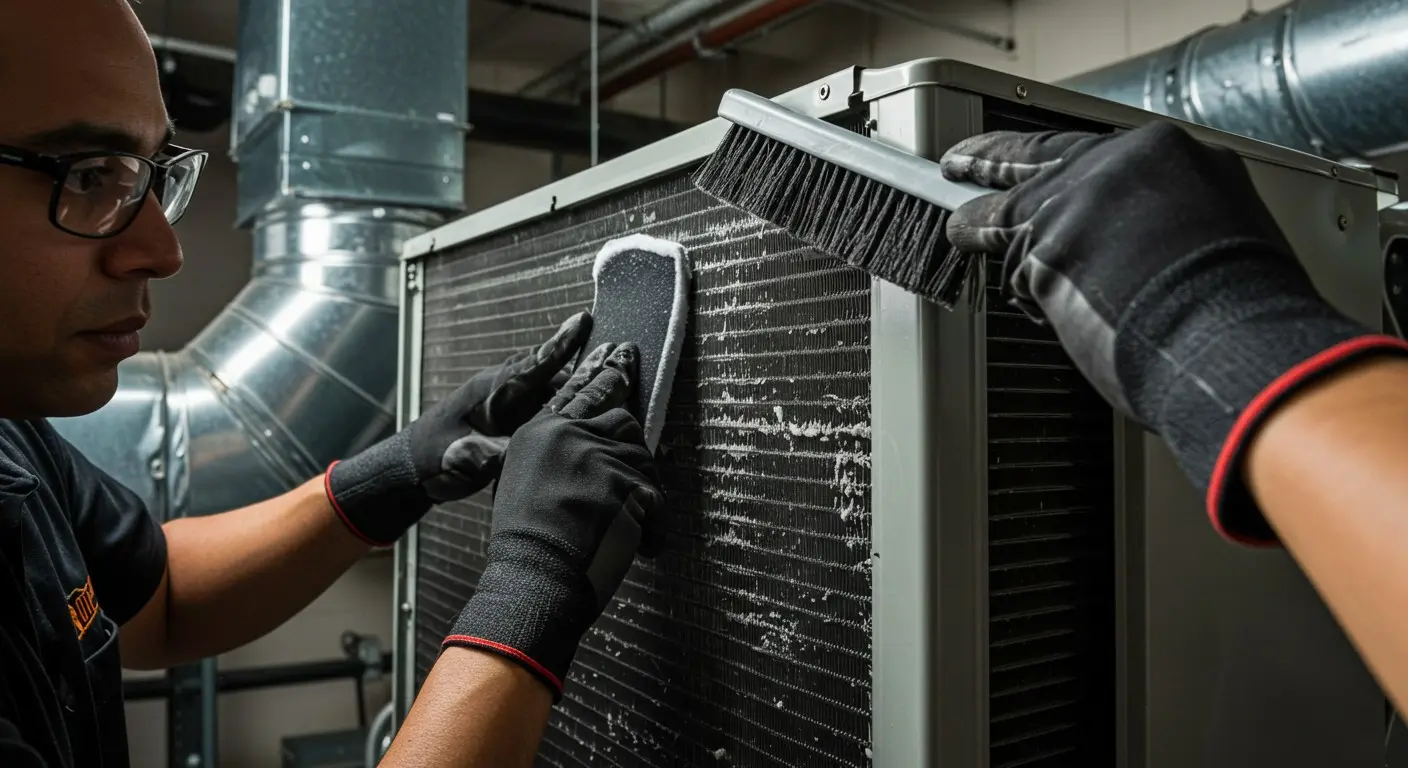
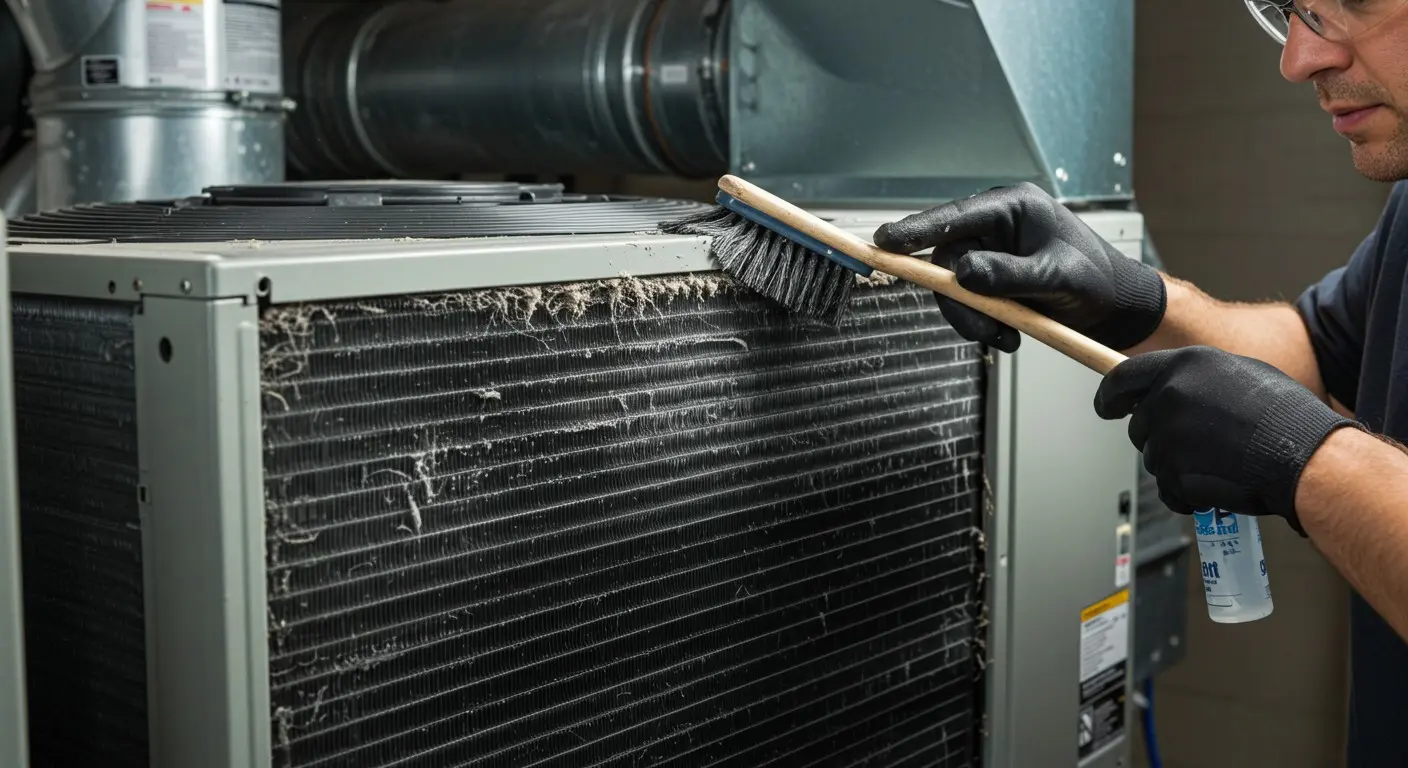
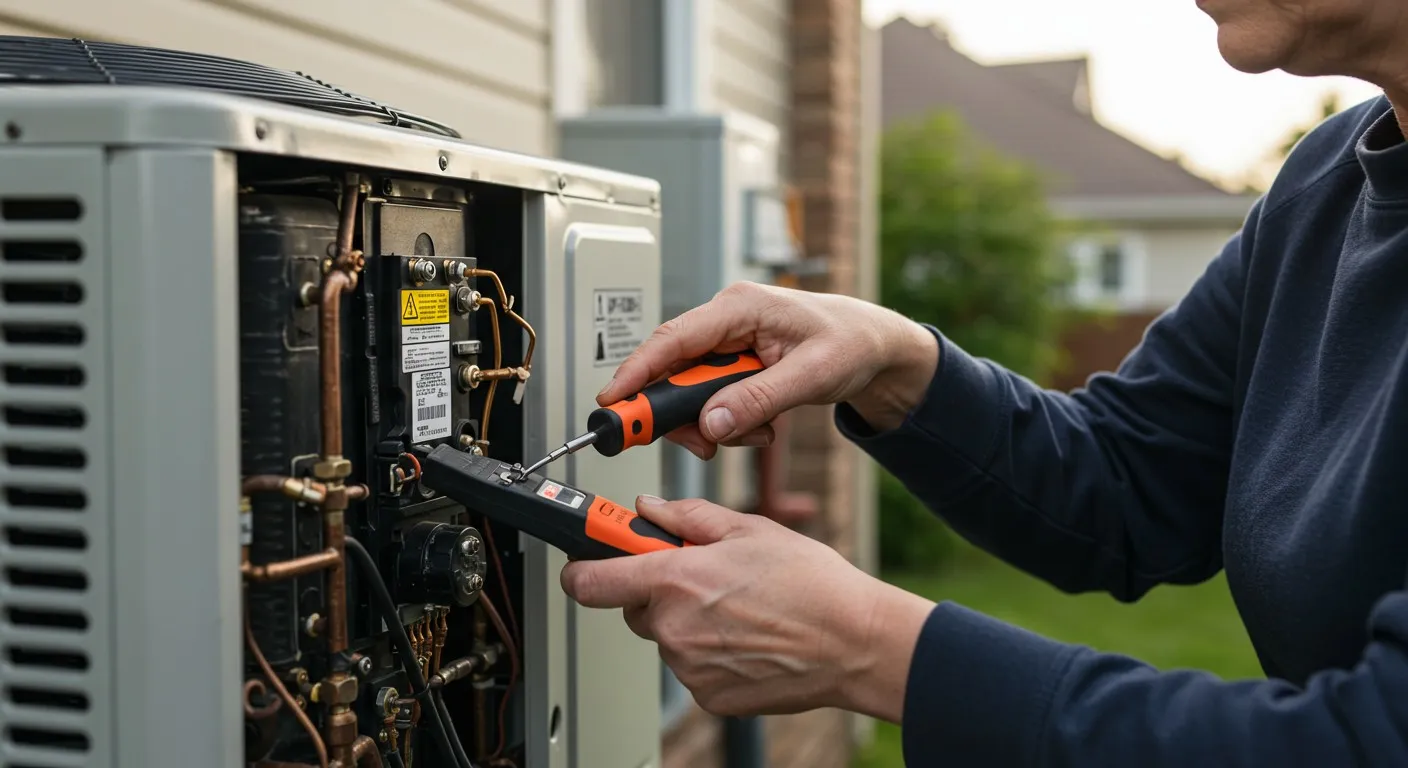
During a diagnostic visit, our technicians test the fan speed and overall motor health. We check the electrical draw (amps) to see if the motor is overworking or failing. We also inspect the run capacitor, which gives the motor the electrical boost it needs to spin at the correct speed. A weak capacitor leads to a sluggish fan, which leads to a frozen coil. Furthermore, if the fan blades are caked with thick dust, they lose their aerodynamic ability to move air efficiently. Cleaning a dirty blower wheel is often a critical step in restoring the proper airflow required to manage heavy moisture loads.
In our years of field experience, once airflow issues are ruled out or corrected, the diagnostic process moves to the sealed refrigerant system. It is important to note that a system must be completely thawed before any accurate pressure readings can be taken. Testing a system while it is still encased in ice will result in false readings and an inaccurate diagnosis.
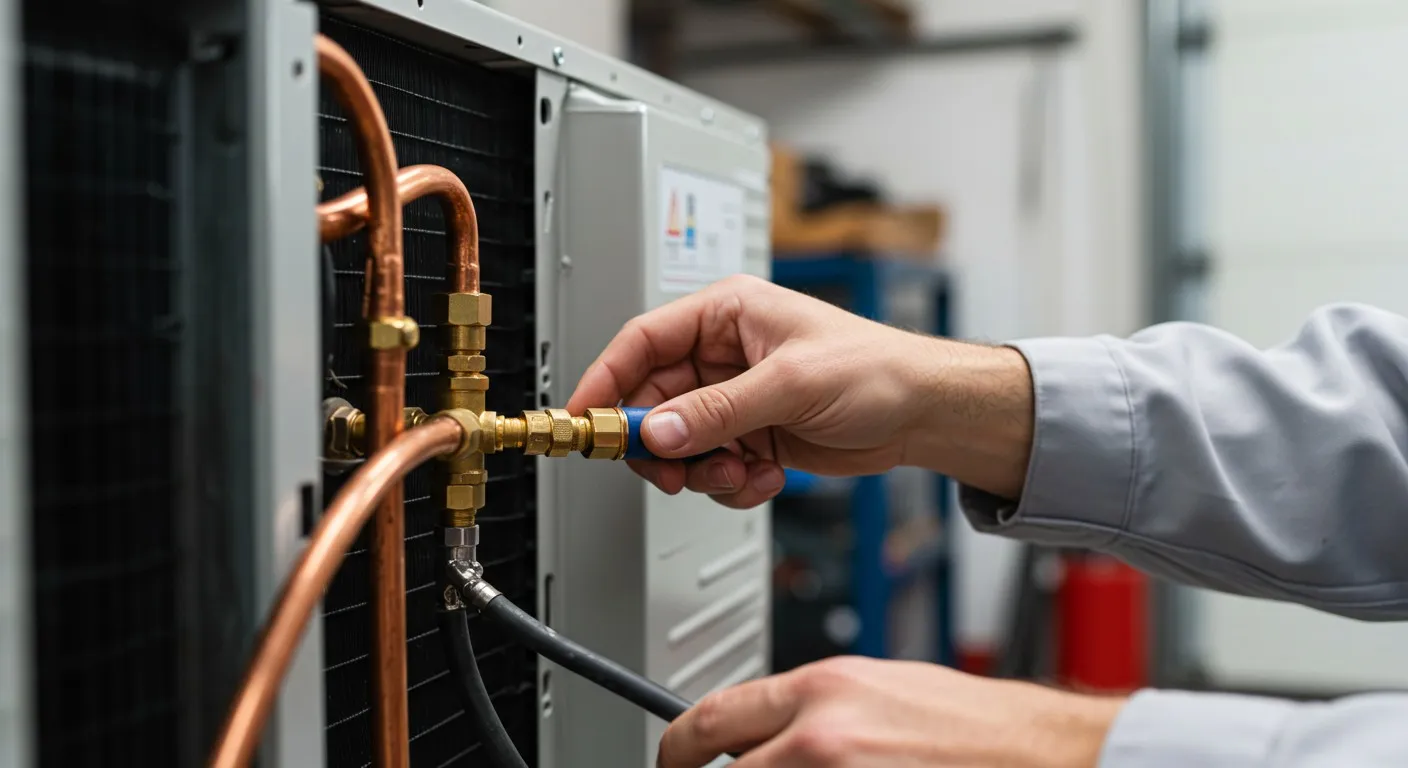
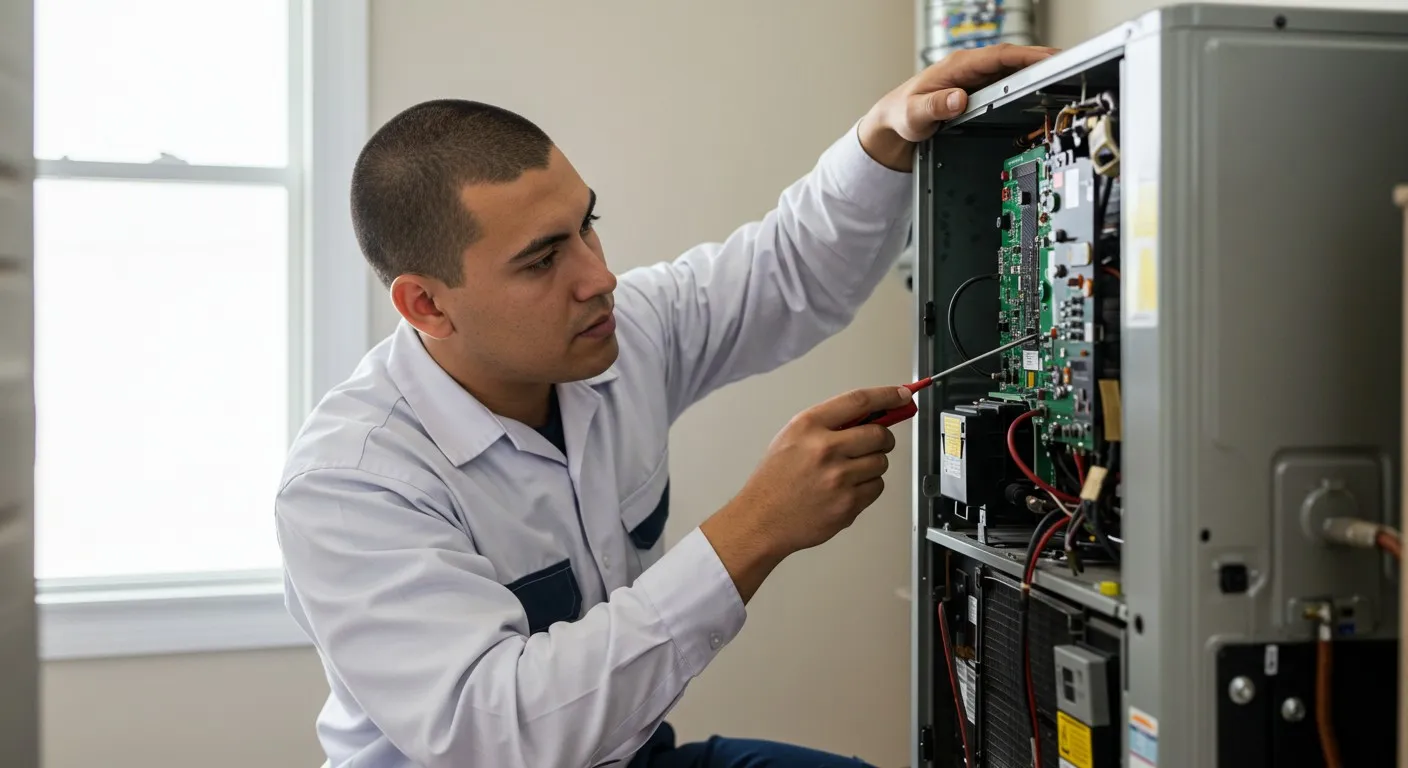
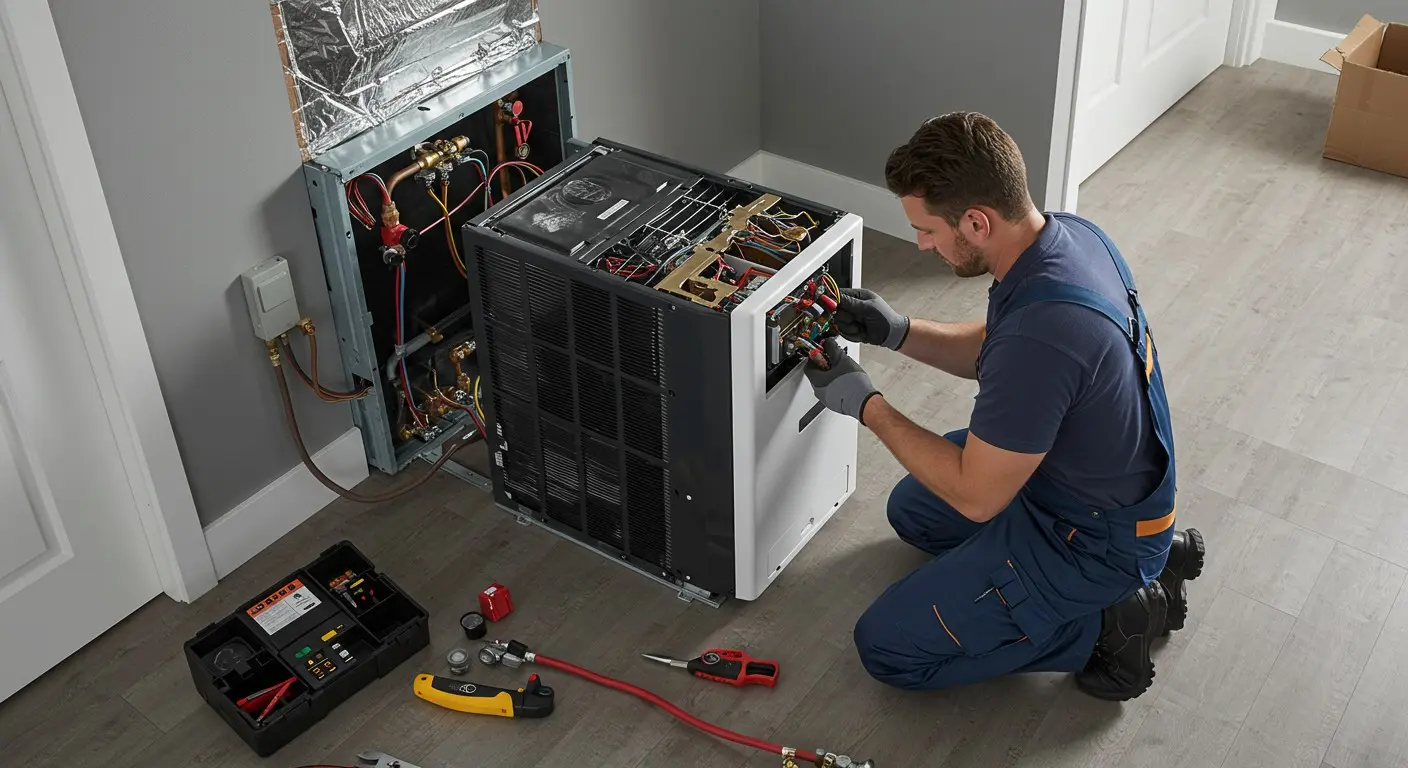
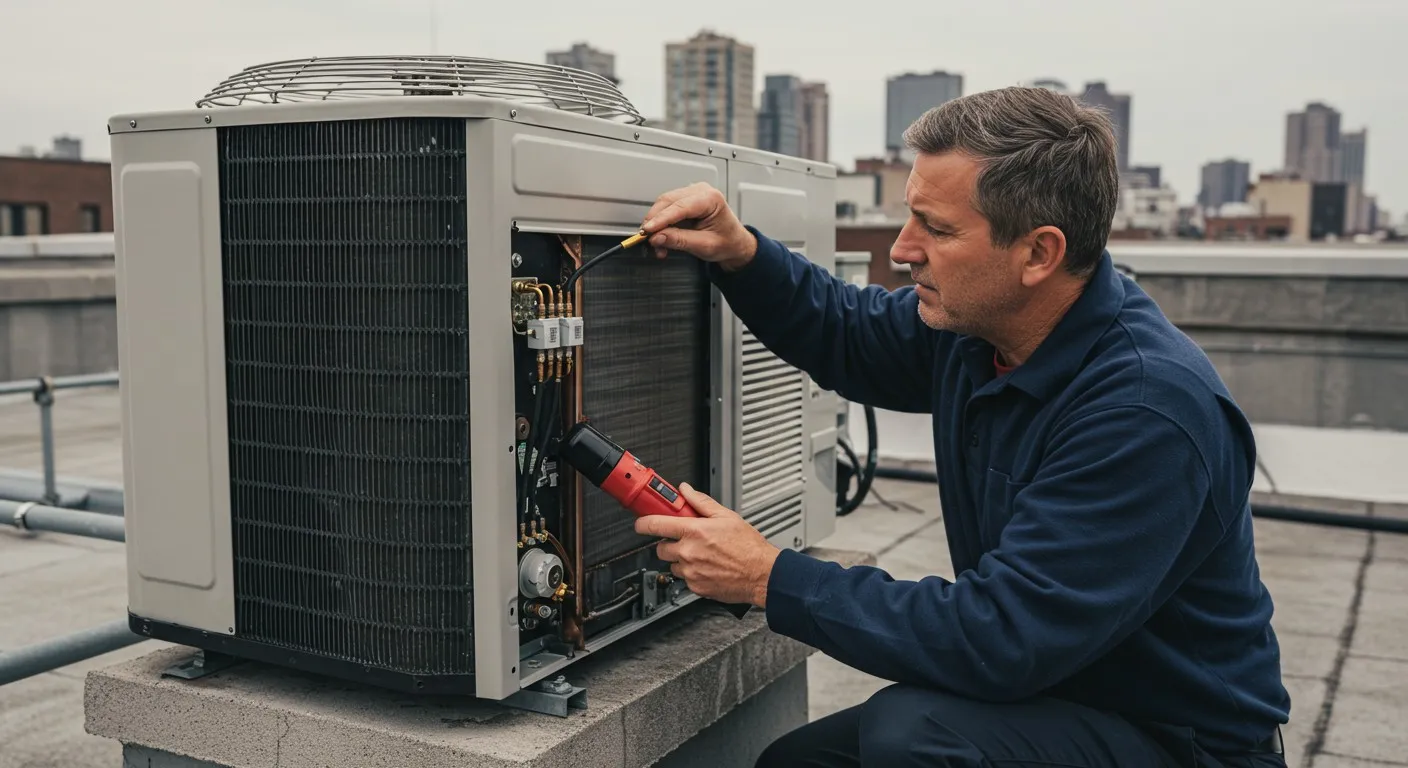
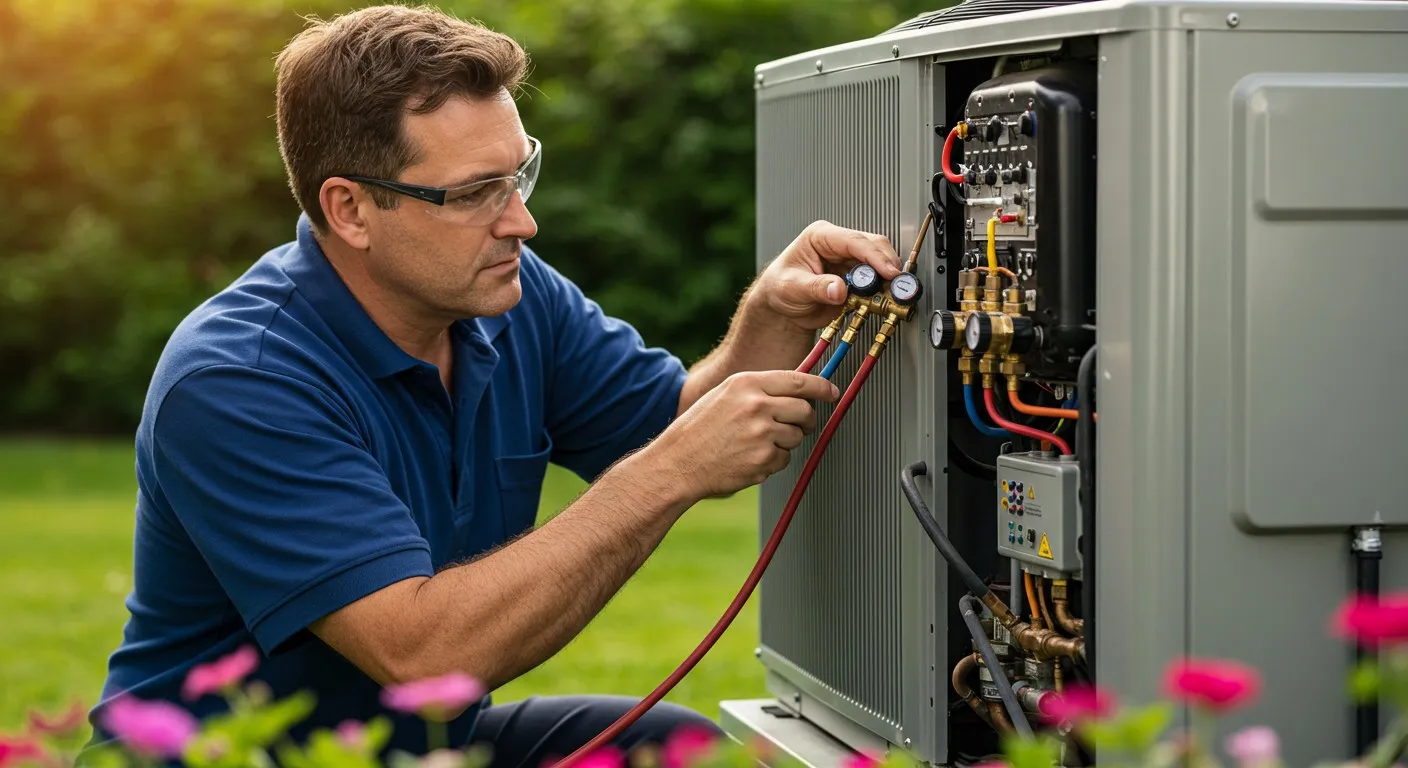
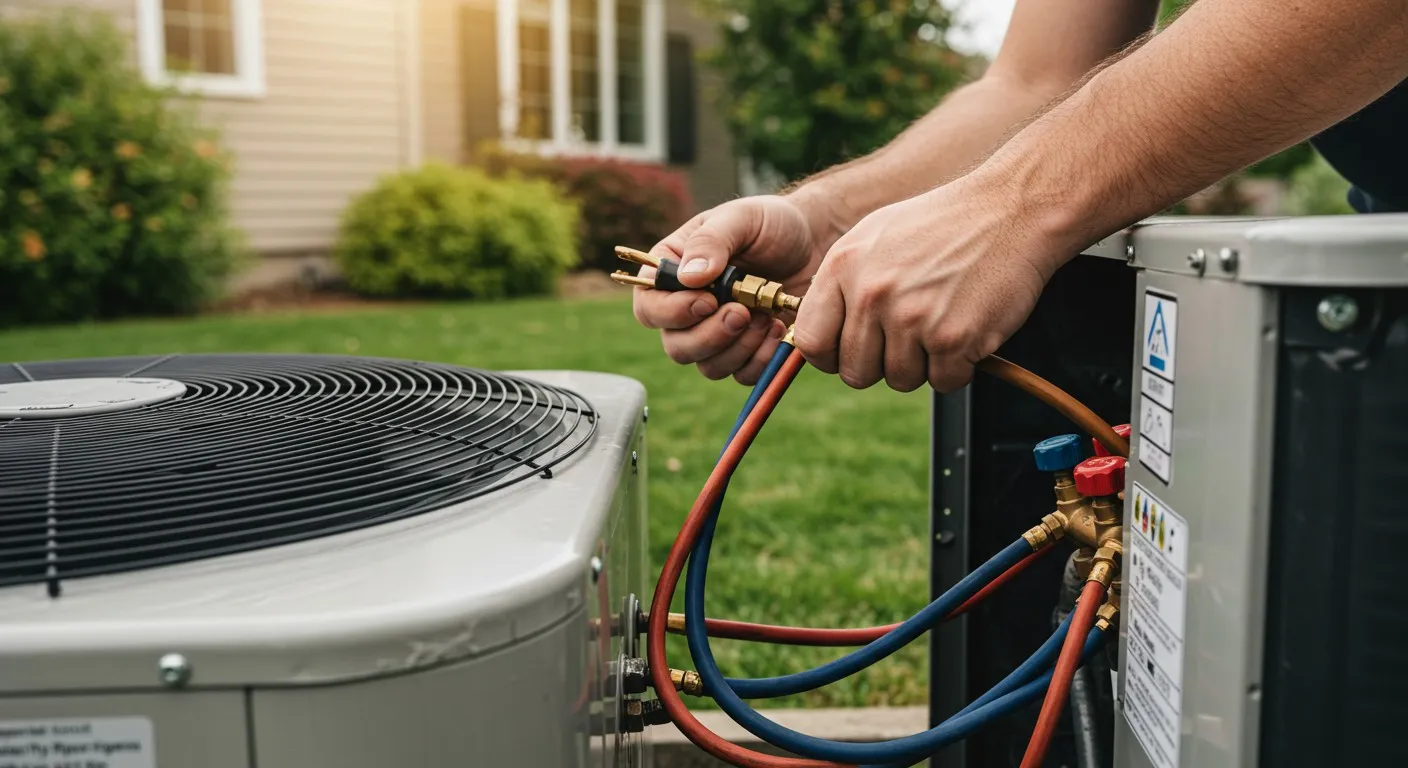
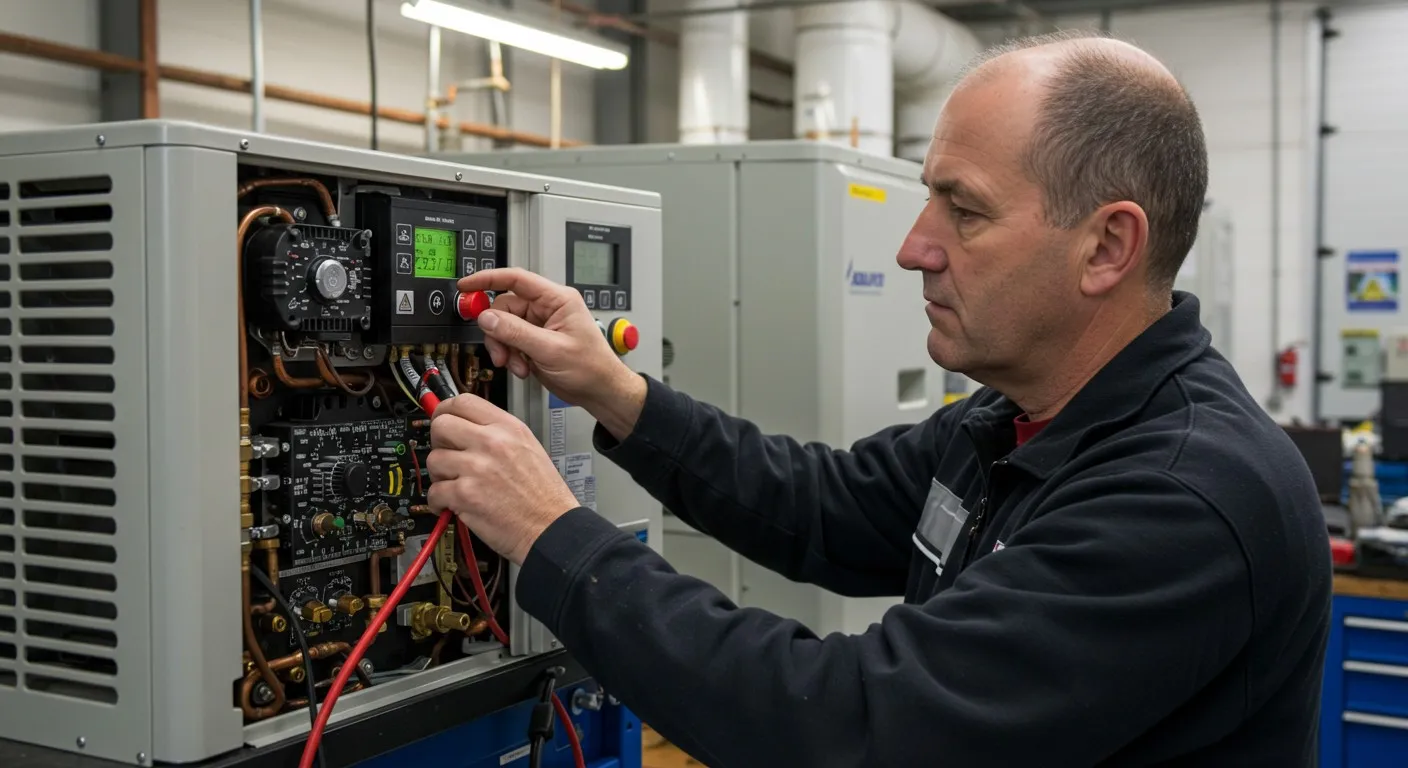
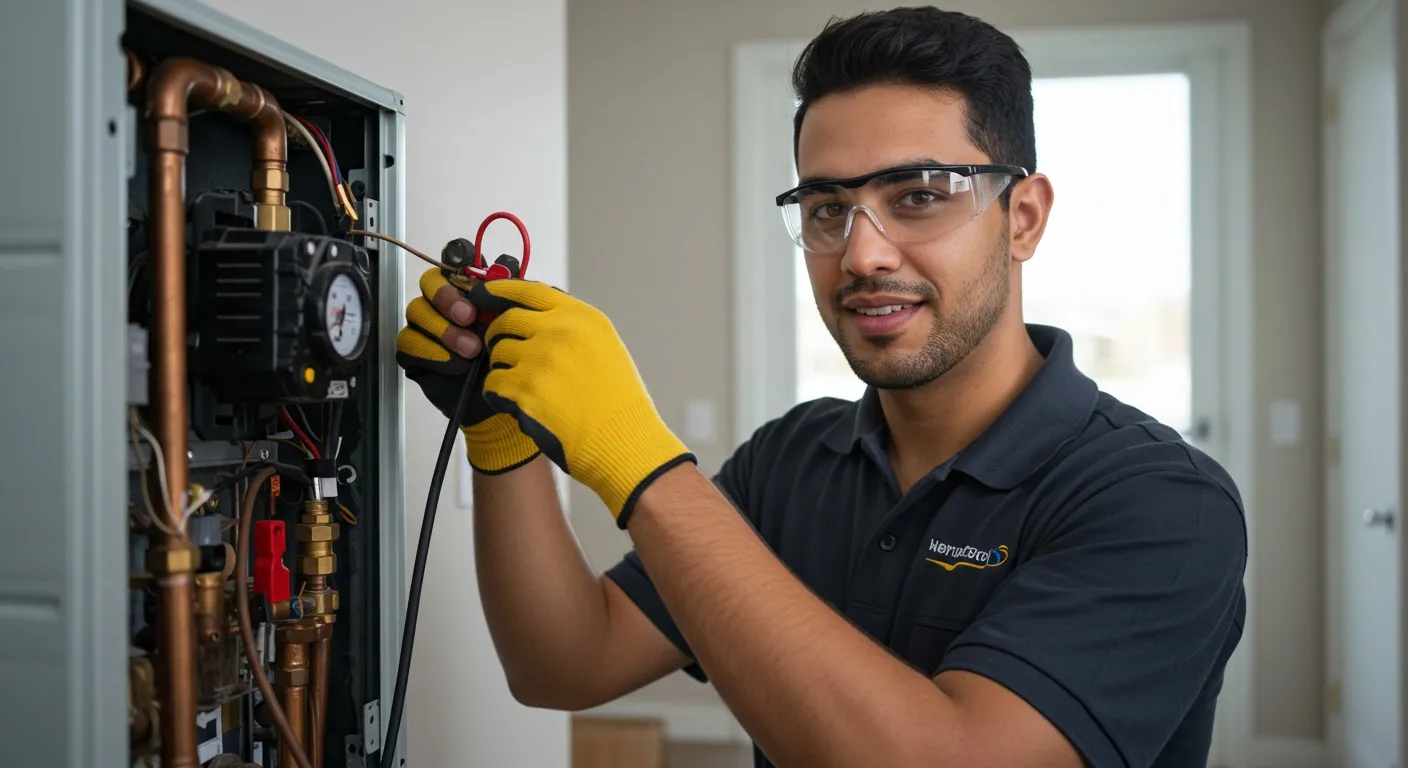
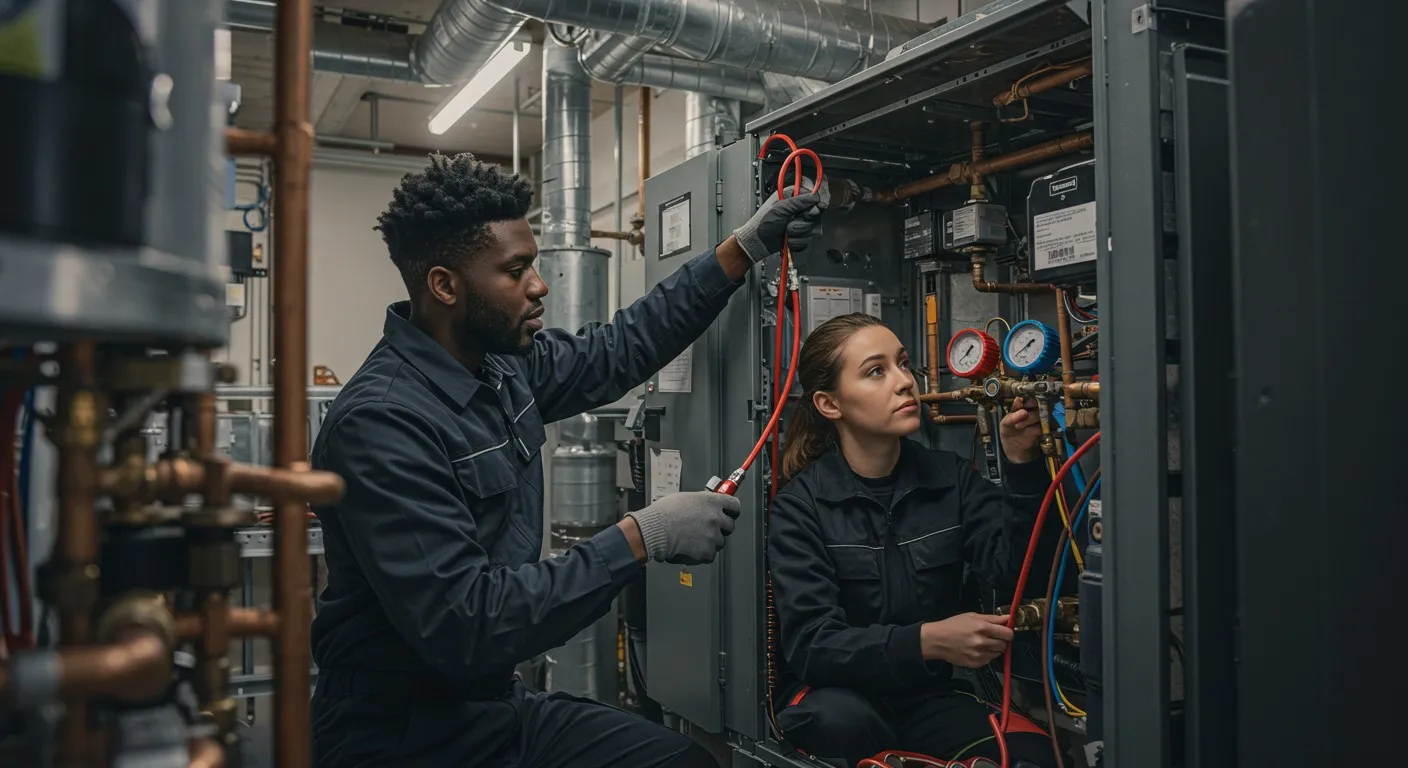
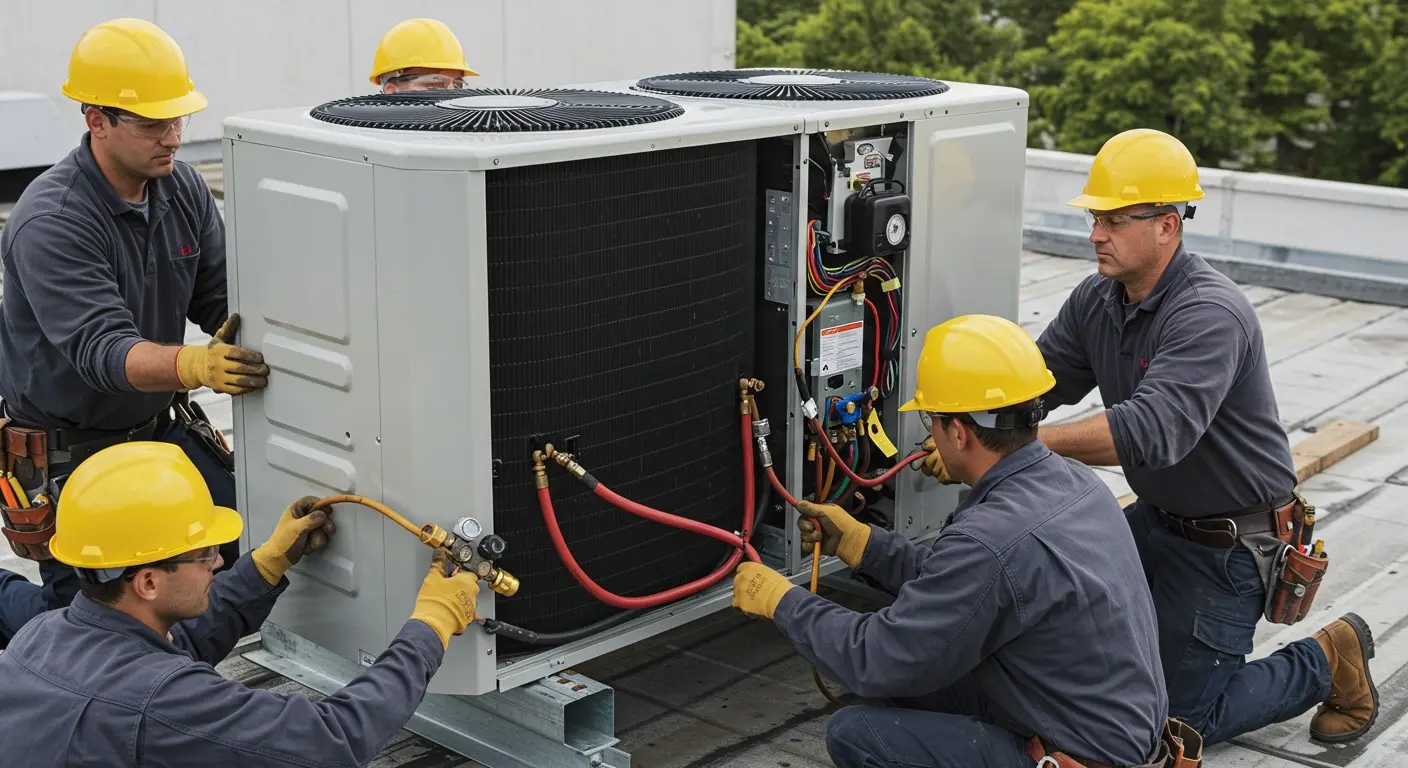
After the coil is free of ice, our technician safely connects specialized, calibrated gauges to the outdoor condenser unit. These gauges measure the system's operating pressures and temperatures. We look specifically at the relationship between the physical amount of refrigerant in the system and the pressure it operates under. When refrigerant levels are low due to a leak, the pressure inside the evaporator coil drops significantly. According to the laws of thermodynamics, a drop in pressure results in a drop in temperature. This causes the coil to become unnaturally cold, freezing the ambient moisture from that August late-summer peak humidity.
What the gauges tell us:
• Suction pressure: Indicates how much heat the indoor coil is absorbing. Low suction pressure often points to a refrigerant leak or a failing metering device.
• Head pressure: Shows how effectively the outdoor unit is rejecting heat.
• Superheat and subcooling: Technical measurements that tell the technician exactly how much liquid versus vapor refrigerant is moving through the system.
We believe in a transparent approach. Instead of hiding behind HVAC jargon, our team tells you exactly what the gauges are reading and what it means for your system's health. Accessing and testing the sealed refrigerant system requires specialized tools, EPA certification, and strict professional safety protocols. Handling refrigerant is not a DIY task, and federal law mandates that only certified professionals handle these chemicals.
Knowing the difference between basic maintenance and a complex mechanical failure can save you time and frustration. While the internal components of an air conditioner require a licensed professional, there is one major check every homeowner should perform regularly: inspecting and replacing the air filter.
As we push through the end-of-season cooling demand during the high-humidity months in Azle, your system is pulling an enormous amount of air to keep up. A severely clogged air filter acts like a wall, stopping the warm air from reaching the coil. Changing your filter every 30 to 60 days during the summer is the single most effective way a homeowner can prevent a frozen coil. However, if the filter is clean and the unit still freezes, the problem lies deeper within the system.
Issues like a failing metering device (the valve that controls refrigerant flow), a microscopic refrigerant leak in the copper lines, or a faulty electrical contactor demand a professional diagnostic. Attempting to fix these components without proper training can result in permanent compressor failure.
• Air Filters — Homeowner Upkeep: Inspect monthly; replace when visibly dirty or gray. — Professional Intervention: Recommend high-flow filter types based on system capacity.
• Vents & Registers — Homeowner Upkeep: Ensure all indoor vents are fully open and unblocked by furniture. — Professional Intervention: Measure static pressure inside the ductwork to ensure proper airflow balance.
• Refrigerant Levels — Homeowner Upkeep: Never attempt to check or add refrigerant. — Professional Intervention: Connect gauges, calculate superheat/subcooling, and locate leaks safely.
• Blower Motor — Homeowner Upkeep: Listen for unusual grinding or squealing noises. — Professional Intervention: Test electrical amp draw, inspect capacitors, and clean blower wheel blades.
Staying on top of your filter changes is vital, but mechanical wear and tear is inevitable. Scheduling routine AC maintenance ensures a professional can catch failing components before they lead to a solid block of ice in your utility closet.
When you discover a frozen coil, your immediate concern is often how the system will be treated before it can be fixed. A technician cannot accurately test refrigerant pressures, measure airflow, or inspect for leaks while the evaporator coil is encased in a block of ice. The system must be completely thawed first.
Our team recently helped a local homeowner who faced a frozen unit during a stretch of triple-digit late-summer temperatures. After advising them to turn off the AC to let it thaw overnight following a Sunday request, our technician arrived promptly on Monday morning, diagnosed the underlying issue, and fixed the root cause within an hour, restoring comfort quickly.
The safe steps for thawing your system:
1. Turn the thermostat to OFF: Stop the cooling cycle immediately. Leaving the AC running while frozen will damage the compressor.
2. Turn the fan setting to ON: Switch the fan from "Auto" to "On." This forces the indoor blower motor to run continuously, circulating warm ambient air over the frozen coil to speed up the melting process.
3. Monitor the drain pan: As the ice melts, a large volume of water will flow into the condensate drain pan. Ensure the drain line is not clogged to prevent water from overflowing and damaging your ceilings or floors.
4. Wait patiently: Depending on the thickness of the ice and the indoor temperature, a complete thaw can take anywhere from a few hours to a full day.
5. Do not scrape the ice: Never use sharp objects, knives, or tools to chip the ice away. The aluminum fins and copper tubes are incredibly fragile and will puncture easily, releasing refrigerant and ruining the coil.
Managing the water runoff is a critical part of the process. Technicians carry wet vacuums and towels to protect your home from water damage as that heavy August late-summer peak humidity turns from solid ice back into liquid. Once the coil is clear, the real diagnostic work begins. If you are dealing with a frozen system right now, reach out for professional AC repair in Azle to get the thawing and repair process started safely.
Based on what we see in the field, a frozen coil is sometimes not an isolated incident but a symptom of a much larger, systemic failure. Chronic freezing in older systems often points to multiple compounding issues. For example, a system might have a microscopic refrigerant leak in the evaporator coil combined with a failing, weakened blower motor. Fixing one issue might temporarily stop the freezing, but the other failing component will soon cause the problem to return.
Older units naturally lose their efficiency and capacity over time. They struggle to handle the high latent heat loads that Azle experiences late in the summer. Modern systems, on the other hand, are engineered with advanced variable-speed blowers and larger coil surface areas. They are significantly better equipped to extract heavy moisture from the air without dropping below freezing temperatures.
Repeatedly paying for refrigerant top-offs or replacing aging blower motors becomes a poor financial strategy over time. When the cost of repairing a severely leaking coil approaches a large portion of the cost of a new unit, investing in AC replacement makes much more sense. (Generic federal tax credits or local utility incentive programs may also apply to qualifying high-efficiency heat pump or AC installations, so we always advise readers to verify current programs with their utility or a tax professional.) A new system provides reliable moisture removal, better energy efficiency, and the peace of mind that your equipment will not turn into an ice block during the next heat wave.
In our experience servicing North Texas homes, your AC freezes in high humidity because the system is extracting massive amounts of moisture from the air, creating heavy condensation on the evaporator coil. If the system is overworked, low on refrigerant, or lacking proper airflow, the temperature of the coil drops below freezing. That heavy August late-summer peak humidity condensation then quickly turns into solid ice instead of draining away. Ensuring proper airflow is critical to preventing this during humid months.
The very first step is to turn your thermostat's cooling function to the "OFF" position immediately to protect the compressor from damage. Next, switch the fan setting to "ON" so the system circulates warm indoor air over the frozen coil to help it melt. Place towels around the indoor unit if necessary to catch overflowing water, and call a professional technician to diagnose the root cause once the ice has cleared.
An AC technician fixes a frozen coil by first ensuring the system is completely thawed, then running a step-by-step diagnostic. They will check the blower motor and ductwork to ensure proper airflow, and then connect gauges to test the sealed refrigerant pressures. Once the root cause is found—whether it is a clogged filter, a failing motor, or a refrigerant leak—the technician repairs or replaces the faulty component to restore proper balance to the system.
It typically takes anywhere from 3 to 24 hours for an AC coil to completely unfreeze, depending on how thick the ice has become and the temperature of the air circulating over it. Leaving the fan switched to the "ON" position will significantly speed up the melting process. A technician cannot accurately test the system's pressures or locate leaks until every trace of ice has melted away.
Yes, a clogged air filter is one of the most common causes of a frozen AC unit we see in the field. A dirty filter acts as a physical barrier, preventing warm indoor air from reaching the cold evaporator coil. Without that warm air to keep the coil's temperature above freezing, the natural condensation on the metal rapidly turns to ice. Changing your filter regularly is the best preventative measure you can take.
No, it is never safe to scrape or chip ice off a frozen AC coil. The evaporator coil is made of highly fragile aluminum fins and thin copper tubing that can be easily punctured by knives, screwdrivers, or scrapers. Puncturing the coil will release the chemical refrigerant into your home and completely ruin the equipment, leading to an expensive replacement. Always let the ice melt naturally using the system's fan.
Dealing with a block of ice inside your HVAC system during the hottest part of the year is stressful, but it is a solvable mechanical issue. A proper, professional diagnostic is essential to prevent recurring freeze-ups and protect your equipment from permanent compressor damage. By evaluating both the airflow dynamics and the sealed refrigerant pressures, we find the exact reason your system is failing to handle the moisture load.
If you are tired of wondering how we diagnose a frozen AC coil in Azle when the August humidity peaks, and you want a clear path to restoring your cooling safely, Family Comfort Heating & Air is here to help. Schedule an inspection with our local experts today to address the root cause, clear the ice, and get your home back to a comfortable, reliable temperature.


Stay comfy with 0% Financing for 12 Months on a new HVAC system through Synchrony and Wisetack! No hidden fees, no stress—just easy payments.