Blogs
Stay updated with our latest blog posts.


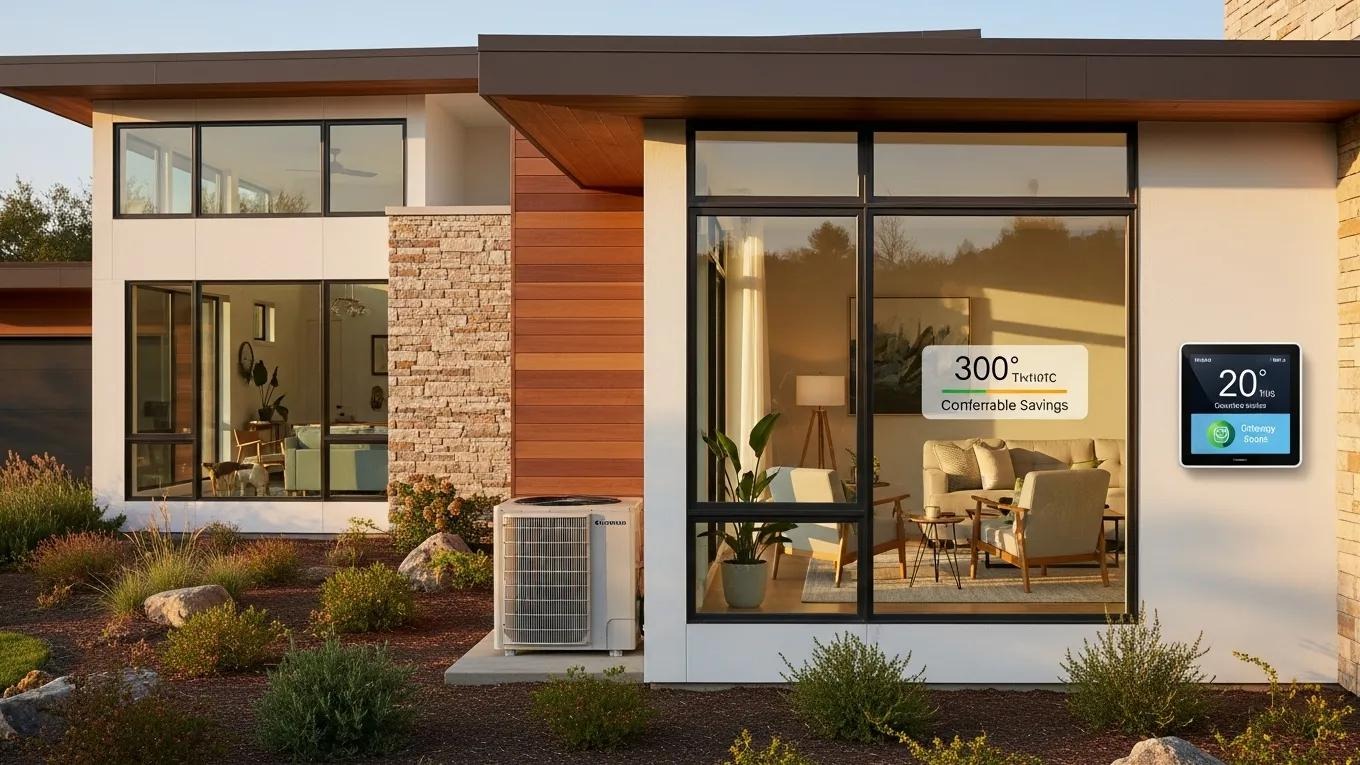
As energy costs continue to rise, we at Family Comfort Heating & Air understand how important it is for homeowners and businesses to reduce expenses while improving comfort. Local and federal HVAC rebates and incentives offer a valuable chance to save significantly on heating and cooling systems. In this article, we will guide you through the various energy efficiency rebates available, explain how federal tax credits work, and highlight local programs specific to Boyd, TX, and Weatherford, TX. We will also discuss financing options that can help you maximize these benefits and how our team can assist you in navigating these opportunities. By understanding these incentives, you can make informed decisions that lead to substantial energy savings in 2026.
Rebates and incentives do more than just reduce upfront costs; they lower the total cost of ownership by combining immediate discounts with ongoing energy savings. When planned carefully, upgrades can enhance indoor comfort, extend equipment life, and increase property value while reducing energy use and greenhouse gas emissions. Our goal is to help you prioritize upgrades, document them properly, and maximize combined savings from utility rebates, federal tax credits, and contractor financing.
Energy efficiency rebates are financial incentives offered by governments and utility companies to encourage the adoption of energy-efficient HVAC technologies. These rebates help offset the initial investment in upgrading to more efficient systems, which can lead to lower energy bills and a reduced environmental footprint. By investing in energy-efficient HVAC systems, you not only save money but also contribute to a more sustainable future.
Rebates may be provided as point-of-sale discounts, mail-in checks, or post-installation reimbursements. Knowing how a rebate is delivered is important because it affects when you receive savings and what documentation you need to keep. For businesses, some programs may offer larger incentives or faster processing when projects cover multiple sites.
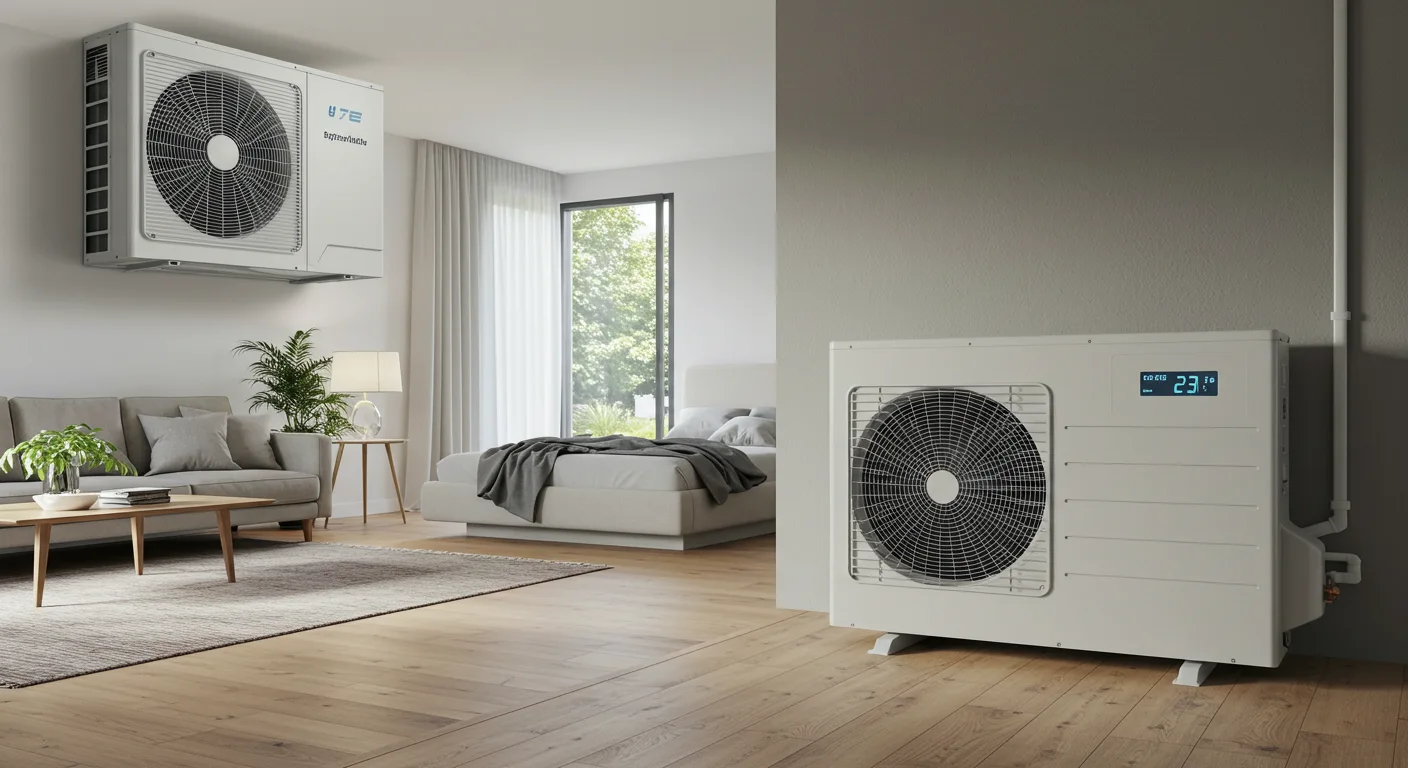
Various HVAC systems qualify for energy efficiency rebates, including high-efficiency furnaces, air conditioners, and heat pumps. These systems must meet specific energy efficiency standards, such as SEER (Seasonal Energy Efficiency Ratio) ratings for air conditioners and AFUE (Annual Fuel Utilization Efficiency) ratings for furnaces. Upgrading to these systems can significantly reduce energy consumption and lower your monthly utility bills.
Qualifying models are typically identified by the manufacturer's model number and certification labels. When you shop or request a quote, ask us at Family Comfort Heating & Air to confirm a unit’s qualifying rating and provide the necessary model documentation for your incentive application. Common qualifying attributes include:
• Minimum SEER or HSPF ratings for cooling and heat pump systems, ensuring efficient performance and energy savings over time.
• Minimum AFUE ratings for gas or oil furnaces, which guarantee that the system meets energy efficiency standards required by rebate programs.
• ENERGY STAR certification in some rebate programs, indicating that the equipment meets strict energy efficiency guidelines.
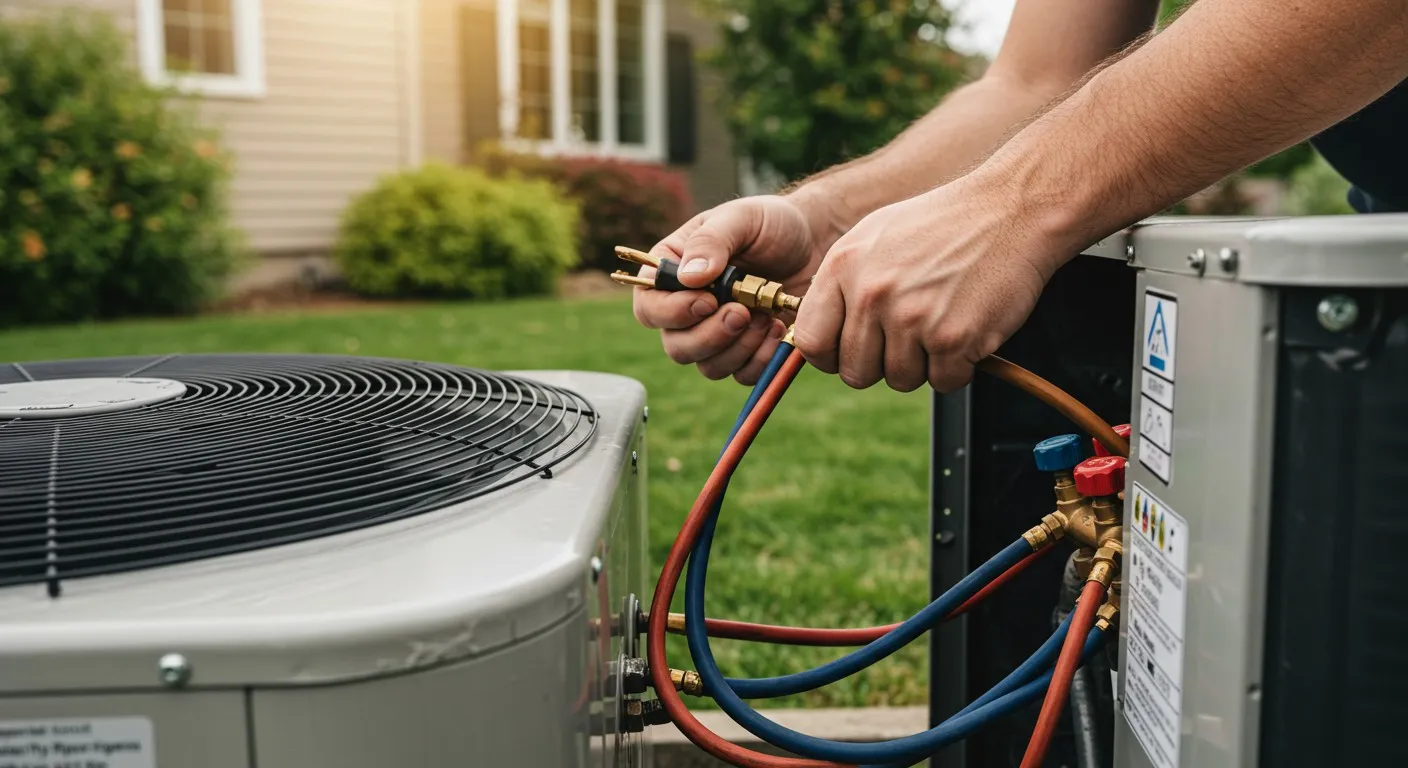
• Approved installation practices, such as correct sizing and proper refrigerant charge, which are often required to qualify for rebates.
Keeping manufacturer spec sheets and the installation invoice will simplify rebate submissions and help ensure your equipment meets program rules.
Rebates reduce your heating and cooling costs by providing immediate financial relief when purchasing new systems. For example, a rebate on a high-efficiency furnace lowers the effective upfront purchase price, improving the payback period for your upgrade. Additionally, the long-term savings from reduced energy consumption can lead to significant financial benefits over the system’s lifespan, often resulting in a return on investment that justifies the initial expenditure.
To evaluate potential savings, consider three key elements:
• Upfront cost and rebate amount — this determines what you pay on installation day and how much the rebate offsets your initial investment.
• Estimated annual energy savings — this reflects how much lower your utility bills should be after upgrading to an efficient system.
• Operational and maintenance costs over the system’s life — these ongoing expenses impact your total cost of ownership and overall savings.
While exact savings depend on local energy prices and usage, combining rebates with correct equipment sizing and scheduled maintenance typically produces the best total cost outcome. We encourage you to ask us for a simple comparison estimating annual energy use for your current system versus the proposed high-efficiency system.
Federal HVAC tax credits are designed to encourage homeowners to invest in energy-efficient heating and cooling systems. These credits allow taxpayers to deduct a portion of the cost of qualifying HVAC systems from their federal taxes, effectively reducing the overall cost of the upgrade. As of 2023, these credits remain available and are expected to continue playing a vital role in promoting energy efficiency nationwide through 2026.
Understanding the scope of these federal incentives is essential for homeowners looking to make informed decisions about their energy-efficient upgrades.
To qualify for federal HVAC tax credits, homeowners must meet specific eligibility criteria. These typically include income limits, the type of HVAC system installed, and the energy efficiency ratings of the equipment. We at Family Comfort Heating & Air ensure that the systems we recommend meet these standards so you can take full advantage of available tax credits.
Before purchasing, verify these common eligibility elements:
• Whether the equipment and installation date fall within the program’s eligible time window, as timing is crucial for qualification.
• Minimum energy-efficiency ratings or certifications required by the tax credit rules, which ensure your system meets federal standards.
• Residency and primary residence versus secondary property restrictions, as tax credits often apply only to primary homes.
• Documentation requirements such as manufacturer certifications, receipts, and contractor invoices, which you must keep for your records and tax filings.
• Any income or program phase-out criteria that might apply to specific taxpayers, which can affect eligibility.
Because tax rules and limits can change, we recommend confirming current eligibility details with IRS forms and guidance or consulting a tax professional before relying on a credit to fund your purchase decision.
These criteria often specify the types of energy-efficient equipment, such as central air conditioners, that qualify for federal tax incentives.
Applying for federal energy incentives involves several steps. You will need to gather necessary documentation, including receipts for the purchase and installation of your HVAC system, and complete the appropriate tax forms. Staying informed about submission deadlines and additional requirements is essential to ensure a smooth application process.
Follow this practical checklist when applying:
• Obtain and keep the manufacturer’s product specification sheet that shows the model number and efficiency rating. This document is critical for verifying eligibility.
• Request a detailed invoice from your installer showing the equipment, labor, and installation date. This helps substantiate your claim.
• Collect any manufacturer certification statements needed to support your application. These certifications confirm the system meets required standards.
• Complete the IRS form or worksheet corresponding to the tax credit, attaching required documentation as instructed. Accurate completion ensures your claim is processed correctly.
• Keep copies of all documents with your tax records; program administrators may request proof during audits or verifications. Organized records simplify future inquiries.
Tip: Some programs require pre-approval or registration before installation; check program rules early in your planning process to avoid missing deadlines.
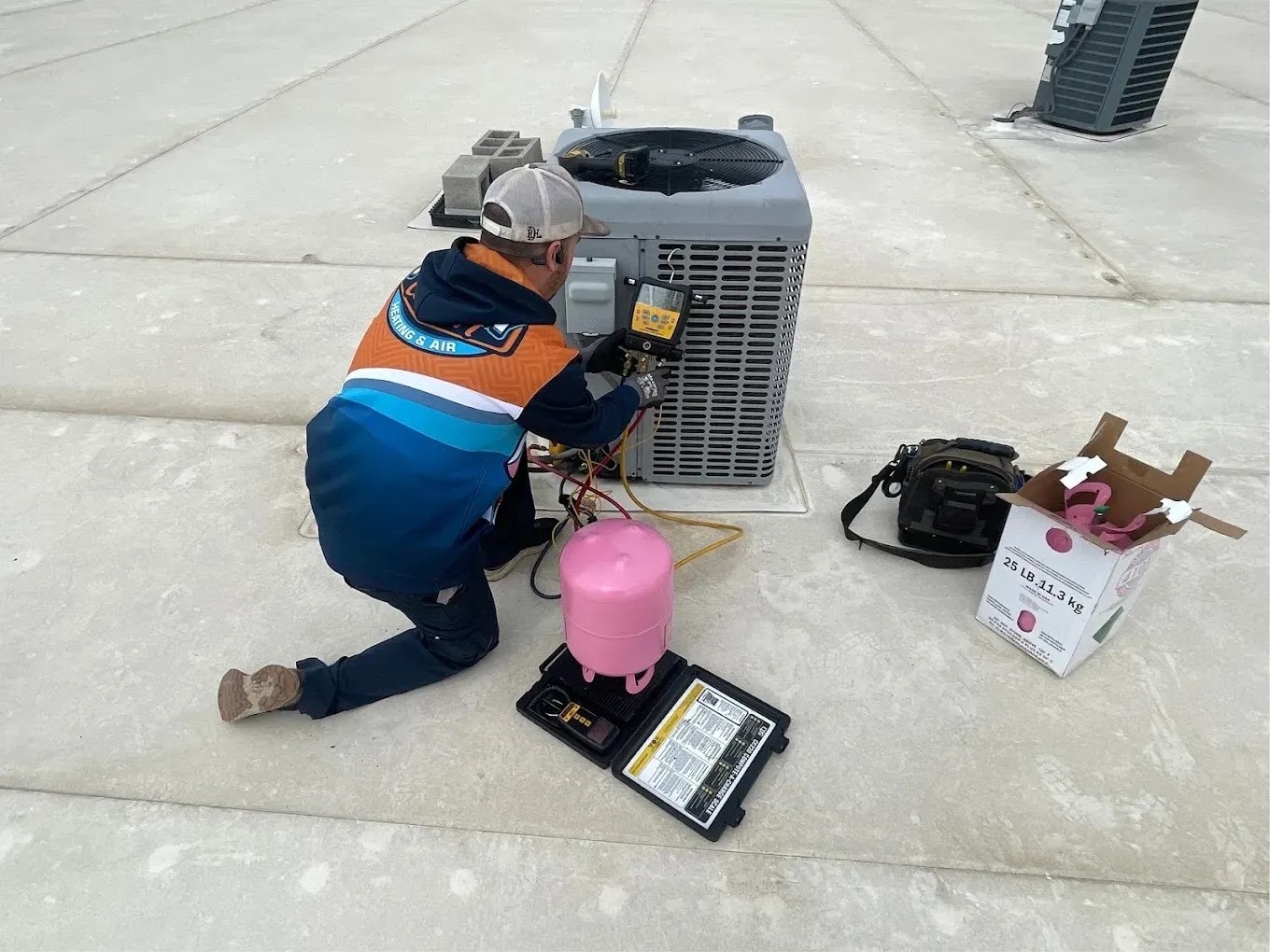
In Boyd, TX, and Weatherford, TX, several local HVAC rebate programs are available to residents. These programs encourage energy efficiency and provide substantial financial incentives for upgrading heating and cooling systems.
Local programs vary by utility provider and municipality. Common program types in the region include:
• Residential HVAC rebates for qualifying high-efficiency replacements, which help reduce the upfront cost of upgrading your system.
• Rebates for whole-home energy assessments or diagnostic tests, such as duct leakage testing, which identify opportunities for improved efficiency.
• Incentives for upgrading to heat pumps or ENERGY STAR-certified systems, promoting the adoption of advanced, efficient technologies.
• Commercial and multifamily programs for larger building retrofits or replacement projects, supporting energy savings in diverse property types.
To find out which specific programs apply to your address, contact your local utility provider and municipal energy office. Many utilities also offer rebate calculators and application portals on their websites, allowing you to estimate incentive amounts before purchasing.
Local rebate programs typically cover a range of heating and furnace installations, including high-efficiency models that meet specific energy standards. Homeowners can benefit from rebates on new installations that significantly reduce energy consumption, leading to lower utility bills and a more comfortable home environment.
Examples of qualifying installations often include:
• Full system replacements where an old furnace or air handler is replaced with a higher-efficiency unit, resulting in improved performance and energy savings.
• Conversion projects such as switching from electric resistance heating to a heat pump, where supported by the program, offering more efficient heating options.
• Retrofits that correct installation issues, including right-sizing, proper refrigerant charge, and duct sealing, which are often part of rebate criteria to ensure optimal system operation.
Always verify whether the rebate requires a licensed contractor or specific installation verification steps, such as post-installation inspections or performance testing. We at Family Comfort Heating & Air can assist you with these requirements to ensure your project qualifies.
To find updated local rebate listings and application instructions, visit the websites of local utility companies and government agencies. These resources provide comprehensive information on available programs, eligibility requirements, and application procedures, making it easier for you to access the incentives you need.
Additional places to check include county or city energy offices, community action agencies, and state energy program pages. When in doubt, call your utility’s customer service line—staff can often confirm whether a program applies to your service account and advise on next steps.
Financing options are essential for maximizing HVAC rebate benefits by making energy-efficient upgrades more accessible. Various financing plans help homeowners spread the cost of new systems over time, allowing you to take advantage of rebates without the burden of large upfront expenses.
These financing solutions encourage broader investment in energy efficiency retrofits for both residential and commercial buildings.
Several financing plans support energy-efficient HVAC upgrades, including low-interest loans and payment plans offered by contractors. These options enable you to invest in high-efficiency systems while managing your budget effectively. By choosing the right financing plan, you can ensure your upgrades are both affordable and beneficial in the long run.
Typical financing routes to consider are:
• Contractor payment plans that spread installation costs over a set term, making monthly payments manageable and predictable.
• Home energy improvement loans from local lenders or community programs, which often offer favorable terms for energy-saving projects.
• On-bill financing where available, allowing you to repay loans through your utility bill, simplifying payment management.
• Manufacturer or dealer financing offers that may include promotional rates, reducing the cost of borrowing for your upgrade.
When comparing financing options, consider the annual percentage rate (APR), term length, any prepayment penalties, and whether the loan requires collateral. A lower monthly payment with a longer term can increase total interest paid, so balance your monthly budget needs against total cost.
Yes, you can often combine rebates with financing options to maximize your savings. By using rebates to offset initial costs and financing the remaining balance, you can reduce your overall expenditure on energy-efficient upgrades. This approach allows for a more manageable financial plan while still enjoying lower energy bills.
Best practices when combining incentives and financing include:
• Confirm whether the rebate is applied at point of sale or as a post-installation reimbursement, as this affects how much you need to finance upfront.
• Reserve rebate funds in your budget for any required upfront payments if the rebate is delayed or requires a mail-in claim, ensuring you have sufficient cash flow.
• Keep rebate paperwork and proof of installation separate from financing documents to simplify audits and tax preparation, maintaining organized records.
At Family Comfort Heating & Air, our HVAC installation and maintenance services are designed to help you take full advantage of available rebates and incentives. Our team is knowledgeable about the specific requirements for qualifying systems and can guide you through the entire process.
We assist by:
• Verifying equipment eligibility before purchase, ensuring you select systems that qualify for rebates and tax credits.
• Providing detailed invoices and manufacturer documentation required by many programs, simplifying your application process.
• Completing any mandatory installer registrations or program forms on your behalf, reducing your administrative burden.
• Scheduling required inspections or performance testing when requested by rebate programs, helping you meet all qualification criteria.
Because many incentives require proof of correct installation practices, choosing an experienced, licensed contractor like Family Comfort Heating & Air helps ensure your project meets both technical and paperwork requirements for rebates and tax credits.
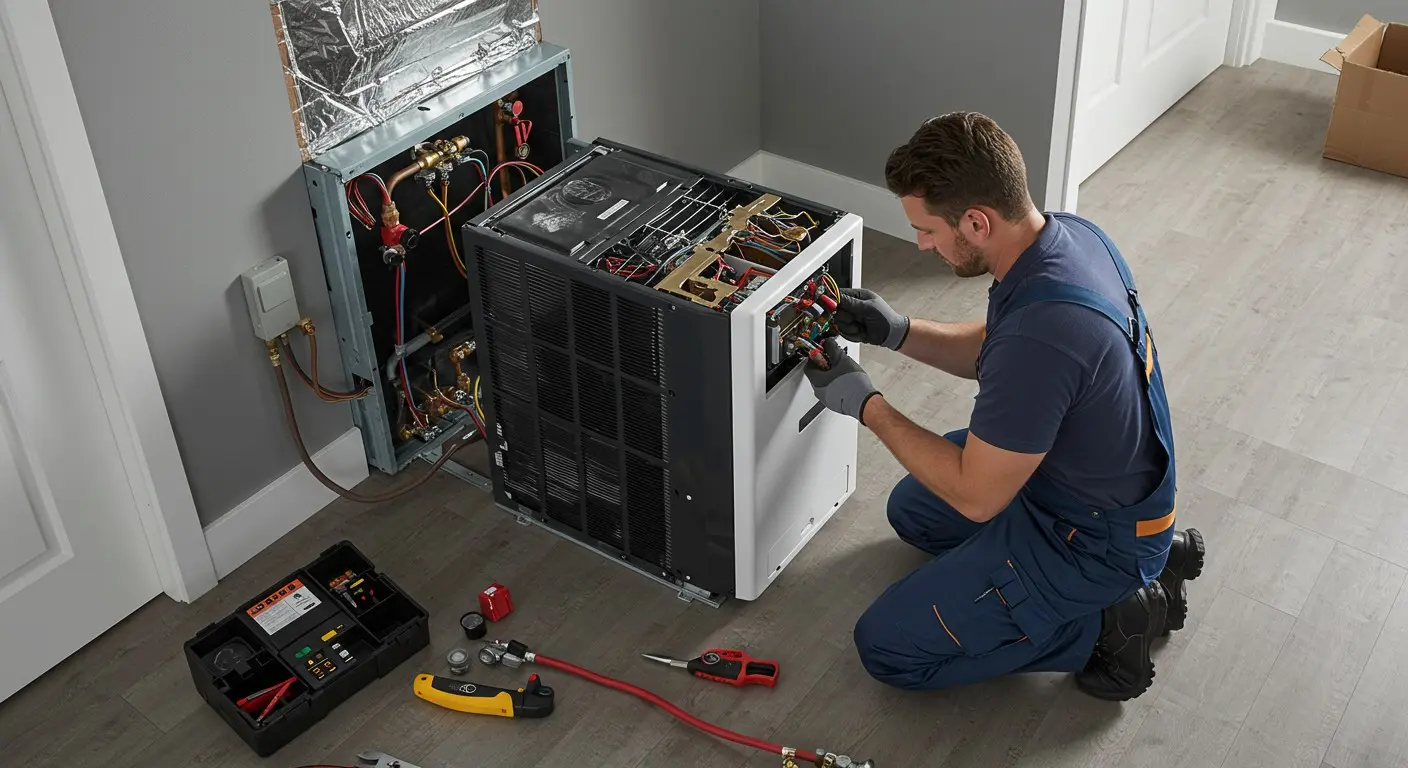
Our installation services include a range of high-efficiency heating and cooling systems that qualify for local and federal rebates. By choosing our services, you can be confident that you are investing in systems that meet energy efficiency standards and provide substantial financial incentives.
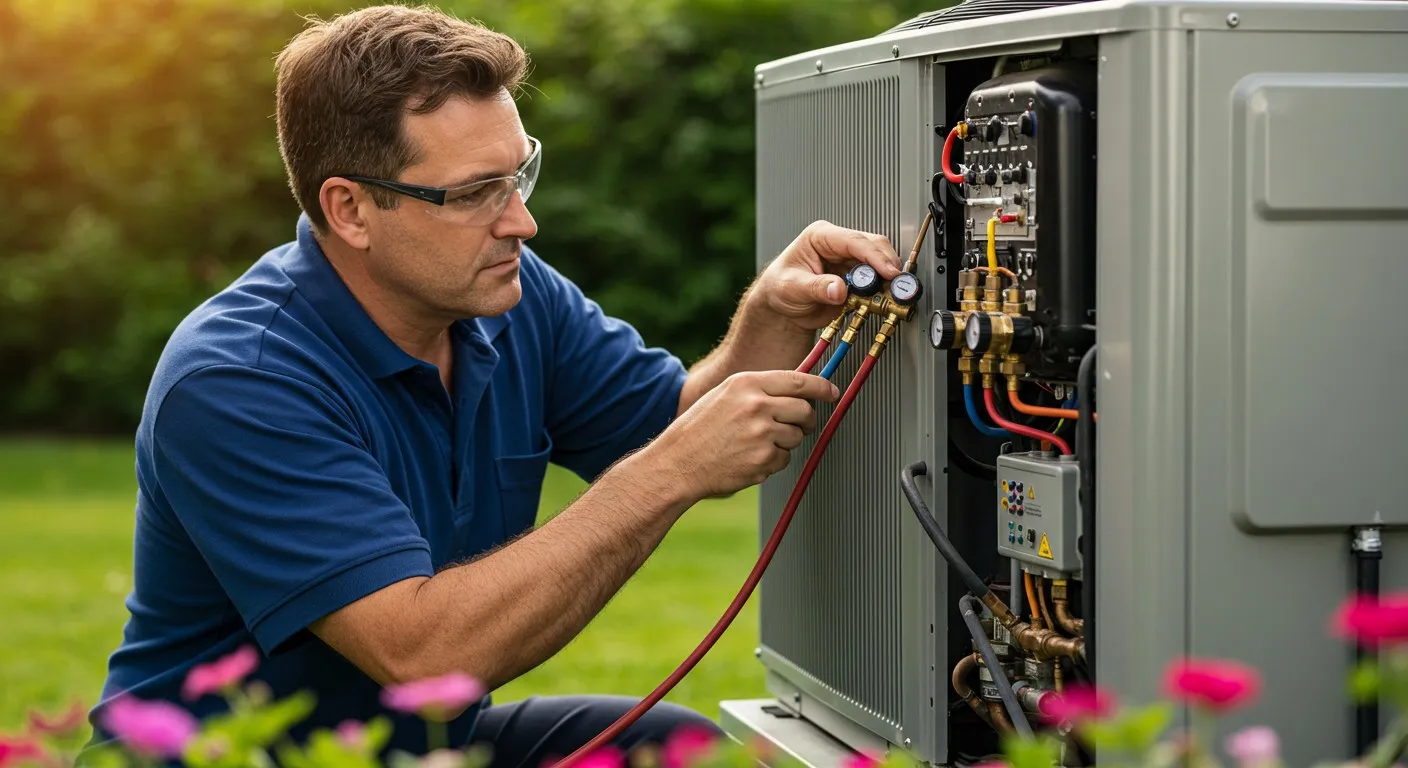
Before installation, we perform a site assessment to confirm appropriate system sizing, duct condition, and distribution needs. Correct sizing and a well-sealed duct system are common rebate qualifications; addressing these items often increases the rebate amount and improves long-term system performance.
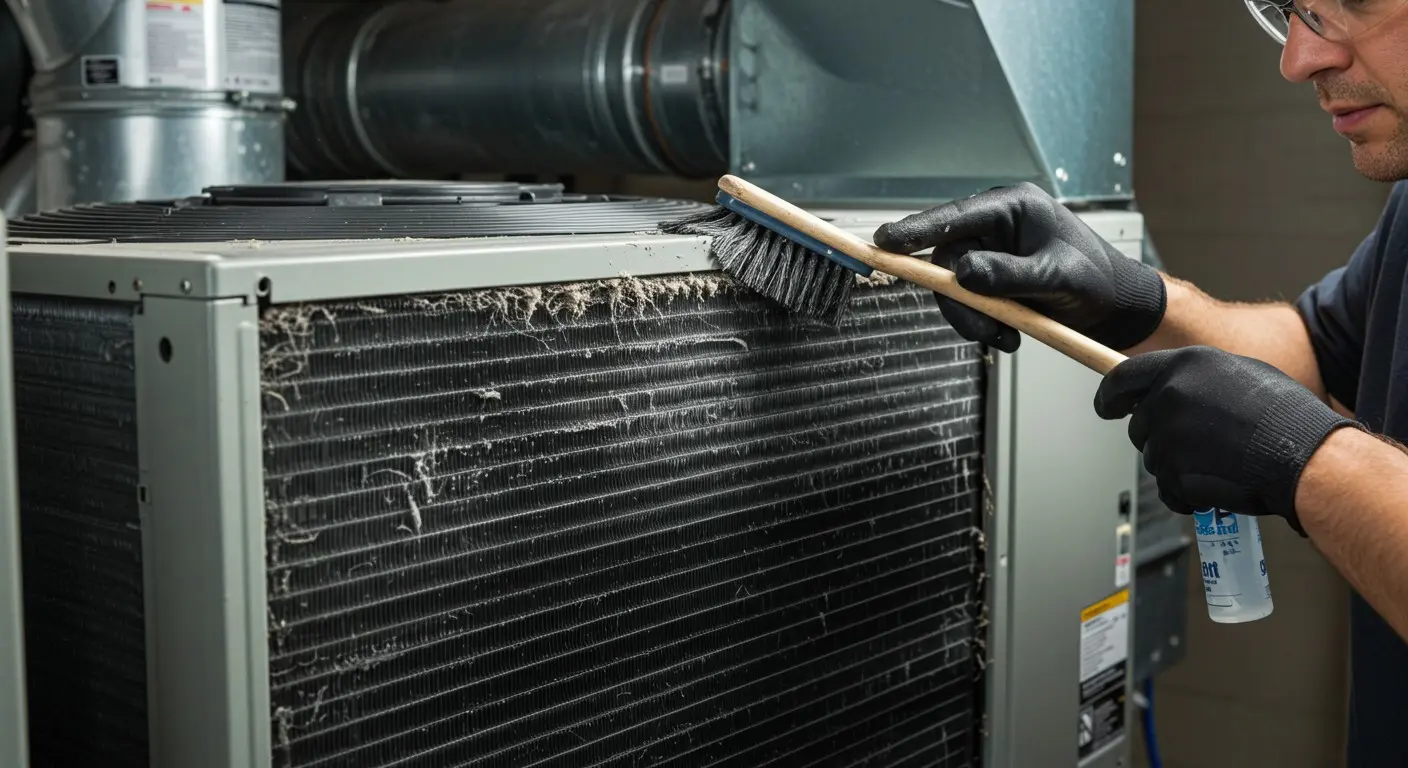
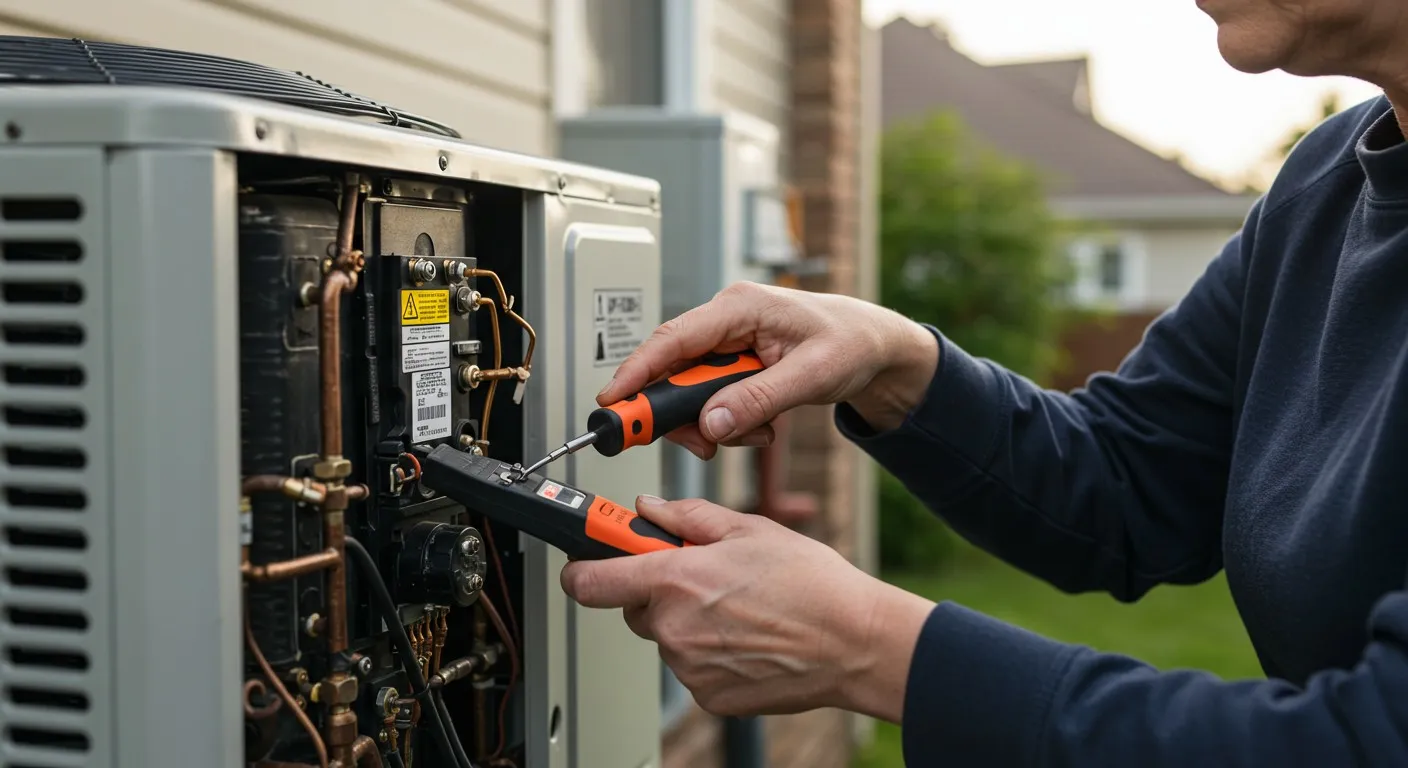
Regular maintenance is essential to keep HVAC systems operating efficiently and maintaining rebate eligibility. Our maintenance services include routine inspections and tune-ups that help your system perform at its best. By maintaining your HVAC system, you ensure ongoing eligibility for rebates and enjoy the long-term benefits of energy efficiency.
Maintenance practices to keep on file for rebate and tax purposes include:
• Routine filter changes with records of replacement dates, which help maintain system efficiency and document upkeep.
• Annual or biannual professional tune-ups documented by service reports, providing proof of regular maintenance.
• Records of duct sealing, insulation upgrades, or airflow testing, which support system performance and rebate qualifications.
• Invoices for any component replacements or diagnostics related to performance, ensuring a complete maintenance history.
Keeping a dedicated folder, digital or paper, with all service records makes future rebate or warranty claims much easier to support.
Scheduling your energy-efficient HVAC upgrade with Family Comfort Heating & Air is a straightforward process that can lead to significant savings. By following a few simple steps, you can take advantage of available rebates and incentives.
Recommended scheduling steps:
• Contact Family Comfort Heating & Air for an initial consultation and on-site assessment. We will evaluate your current system and discuss your energy-saving goals.
• Request a written estimate that lists recommended equipment, model numbers, and expected efficiency ratings. This helps you understand your options and potential savings.
• Confirm which rebates and tax credits apply and whether pre-approval is required. We assist you in identifying all available incentives.
• Finalize financing if needed and set an installation date that aligns with any program deadlines. Our team will coordinate the process for your convenience.
• Retain all documentation after installation for rebate submission and future tax filings. We provide you with all necessary paperwork to support your claims.
To schedule your upgrade, reach out to Family Comfort Heating & Air directly. Our team is ready to assist you in selecting the right HVAC system that qualifies for rebates and incentives. We provide all the necessary information and support to ensure a smooth installation process.
When you contact us, please provide your address and utility account information so we can check local program eligibility and estimate potential incentives. This helps us deliver a more accurate net-cost estimate to support your decision-making.
When applying for HVAC rebates and tax credits, you will need to gather specific documents, including purchase receipts, installation contracts, and any required tax forms. Having all necessary documentation ready will streamline the application process and help you secure your rebates efficiently.
Essential documents to keep include:
• Detailed invoice and proof of payment showing equipment model numbers and installation date, which verify your purchase and installation details.
• Manufacturer product specification sheets or certifications that confirm efficiency ratings, supporting your eligibility claims.
• Contractor license number and installer information if required by the program, ensuring compliance with rebate rules.
• Any program-specific forms, pre-approval letters, or inspection reports, which may be necessary for your application.
Make digital copies of every document and maintain an organized folder labeled by project and date. This organization saves time if you need to re-submit information later.
Maximizing your energy savings through local and federal HVAC rebates is a smart investment for your wallet and the environment. By understanding the various incentives available, you can significantly reduce the costs of upgrading to energy-efficient systems that enhance comfort and lower utility bills. Contact Family Comfort Heating & Air today for expert guidance on qualifying systems and rebates. Let us help you start your journey toward substantial energy savings.
Plan early, document every step, and work with experienced professionals to ensure your project meets rebate and tax-credit requirements. With the right preparation, you can combine incentives and financing to make a high-efficiency HVAC upgrade affordable and rewarding.


Stay comfy with 0% Financing for 12 Months on a new HVAC system through Synchrony and Wisetack! No hidden fees, no stress—just easy payments.