Blogs
Stay updated with our latest blog posts.


When your system is running nonstop but the vents are only pushing out a weak, tepid breeze, looking up home maintenance tips and troubleshooting is usually the first instinct. At Family Comfort Heating & Air, we know from years of serving Boyd, Azle, and the surrounding communities that an air conditioner failing to cool the house is more than just a minor inconvenience; during peak summer, it rapidly becomes a safety and comfort issue. The immediate challenge is figuring out whether the lack of cold air is caused by a simple homeowner oversight—like a bumped thermostat or a clogged filter—or a complex mechanical failure deep within the system.
Acting quickly is the key to minimizing both discomfort and repair costs. For example, our team recently helped a homeowner who faced an indoor temperature of 89 degrees over a weekend when their system failed after a previous repair by another company. Because we addressed the unit promptly, it was fixed to restore safe conditions before the heat could cause further distress. Before assuming the worst, there are a few safe checks you can perform, but knowing when to rely on professional Air Conditioning Services for AC repair in Azle, TX is critical to preventing permanent damage.
The single biggest mistake a homeowner can make when an air conditioner starts blowing lukewarm air is leaving the system running in hopes that it will eventually "catch up." It will not. Azle's average July highs frequently exceeding 95 degrees place extreme thermal stress on failing AC components, accelerating the risk of permanent damage. When a system is struggling to cool, leaving it powered on creates a dangerous negative feedback loop that forces the equipment to work harder with zero results.
The thermal stress factor: Air conditioners are designed to operate within specific temperature and pressure ranges. When those parameters are thrown off by a failing component, the internal temperatures skyrocket. If the air coming from your vents is consistently lukewarm, the strict rule our technicians always recommend is to turn the thermostat off immediately before attempting any diagnostics. Continuing to run a compromised system can quickly escalate a minor electrical issue or low refrigerant charge into a catastrophic, irreversible failure.
The compressor is the heart of the air conditioning system, responsible for pumping refrigerant between the indoor and outdoor units. What we frequently see on service calls is that many people do not realize the compressor relies entirely on the cool, returning refrigerant to keep its own internal motor from overheating.
When a system is malfunctioning and blowing warm air, it usually means that the flow of refrigerant is compromised. Running the system in this state strips away the compressor's only cooling mechanism. The internal windings overheat, the insulating oil breaks down, and the motor eventually burns out entirely. Turning off the system at the first sign of lukewarm air is a primary defensive measure to protect the most expensive component of the HVAC investment.
• Low Refrigerant Levels — Internal Mechanical Impact: Compressor loses vital cooling effect from return gas. — Risk Level if Left Running: High: Leads to motor overheating and burnout.
• Clogged Air Filter — Internal Mechanical Impact: Evaporator coil drops below freezing, turning condensation to ice. — Risk Level if Left Running: Moderate to High: Liquid refrigerant can flow backward into the compressor.
• Failing Blower Motor — Internal Mechanical Impact: Zero heat exchange occurs indoors; system runs continuously. — Risk Level if Left Running: High: Extreme strain on electrical components and contactors.
Once the system is safely turned off, the first diagnostic step involves the simplest component: the thermostat. During peak summer, we frequently find that a thermostat has been accidentally bumped or incorrectly programmed, leading the system to behave exactly as if it were broken. Homeowners can safely verify these settings without opening any equipment panels or handling high-voltage components.
1. Verify the system mode: Ensure the thermostat is explicitly set to "Cool." It is easy for a passing hand or a curious child to bump the switch to "Heat" or "Fan Only." If it is set to "Fan Only," the outdoor unit will not run, and the indoor blower will simply circulate the existing warm air through the house.
2. Check the temperature setpoint: Confirm that the target temperature is set at least five degrees lower than the current room temperature. This ensures the thermostat is actually sending the signal to the outdoor unit to engage the cooling cycle.
3. Inspect the power and display: Look closely at the thermostat screen. If the display is blank, fading, or showing a low battery indicator, replace the batteries immediately. Even hardwired thermostats often rely on backup batteries to maintain their programming and relays. A weak battery can cause intermittent signals, resulting in lukewarm air or short-cycling.
4. Check the programmed schedule: If you use a smart or programmable thermostat, review the schedule. A pre-programmed "away" setting might be overriding your manual adjustments, keeping the house warmer than desired during specific hours.
If the thermostat is functioning correctly, the next safe diagnostic step is evaluating the system's airflow. In our daily service calls, our team typically sees restricted airflow as one of the most common culprits behind an air conditioner that runs constantly but fails to cool the home. When air cannot pass freely over the indoor evaporator coil, the system cannot remove heat from the house.
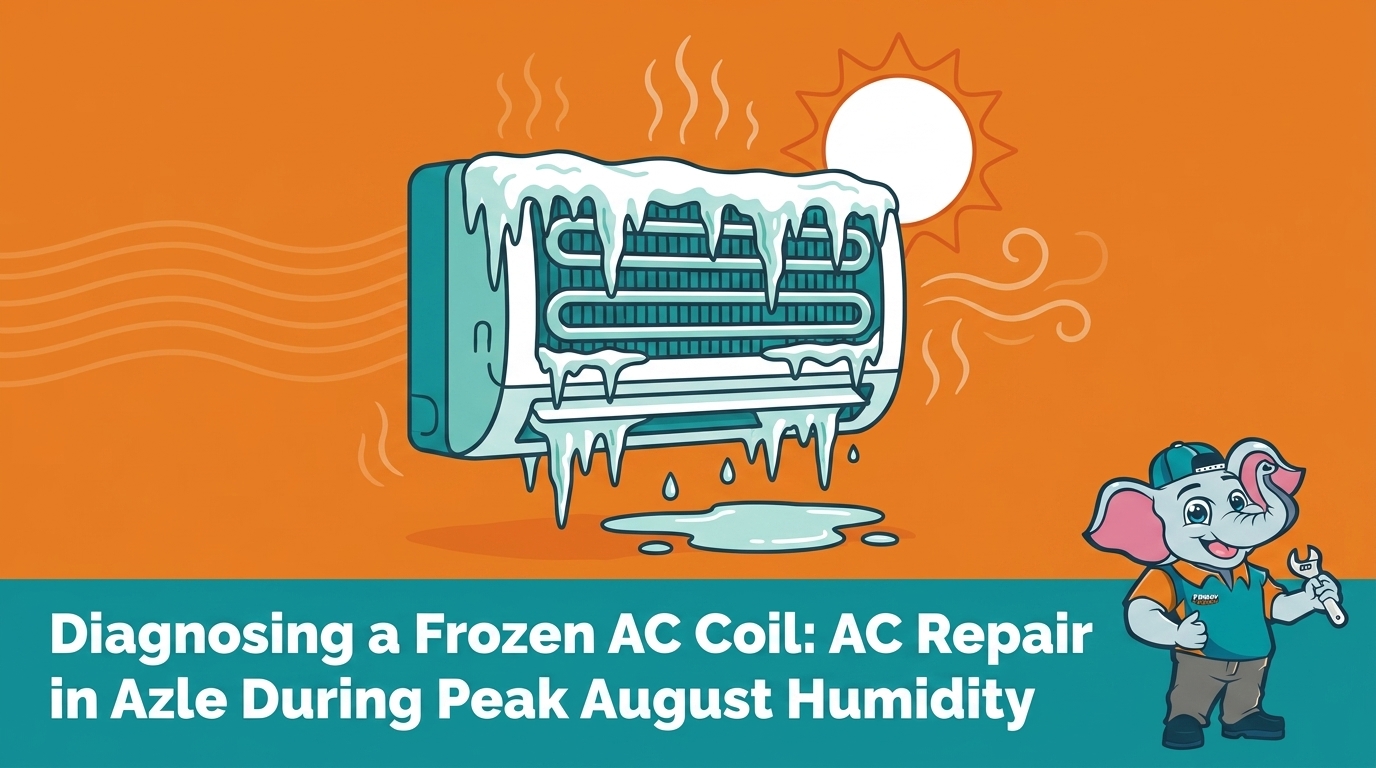
The physics of a frozen coil: Without enough warm air blowing across the indoor coil, the temperature of the refrigerant inside drops below freezing. The natural condensation on the coil turns to ice. As this ice builds up, it blocks airflow completely. The system continues to run, but only lukewarm or warm air makes it through the vents. Worse, this restriction is a primary cause of subsequent compressor overheating, as the refrigerant cycle is entirely disrupted.
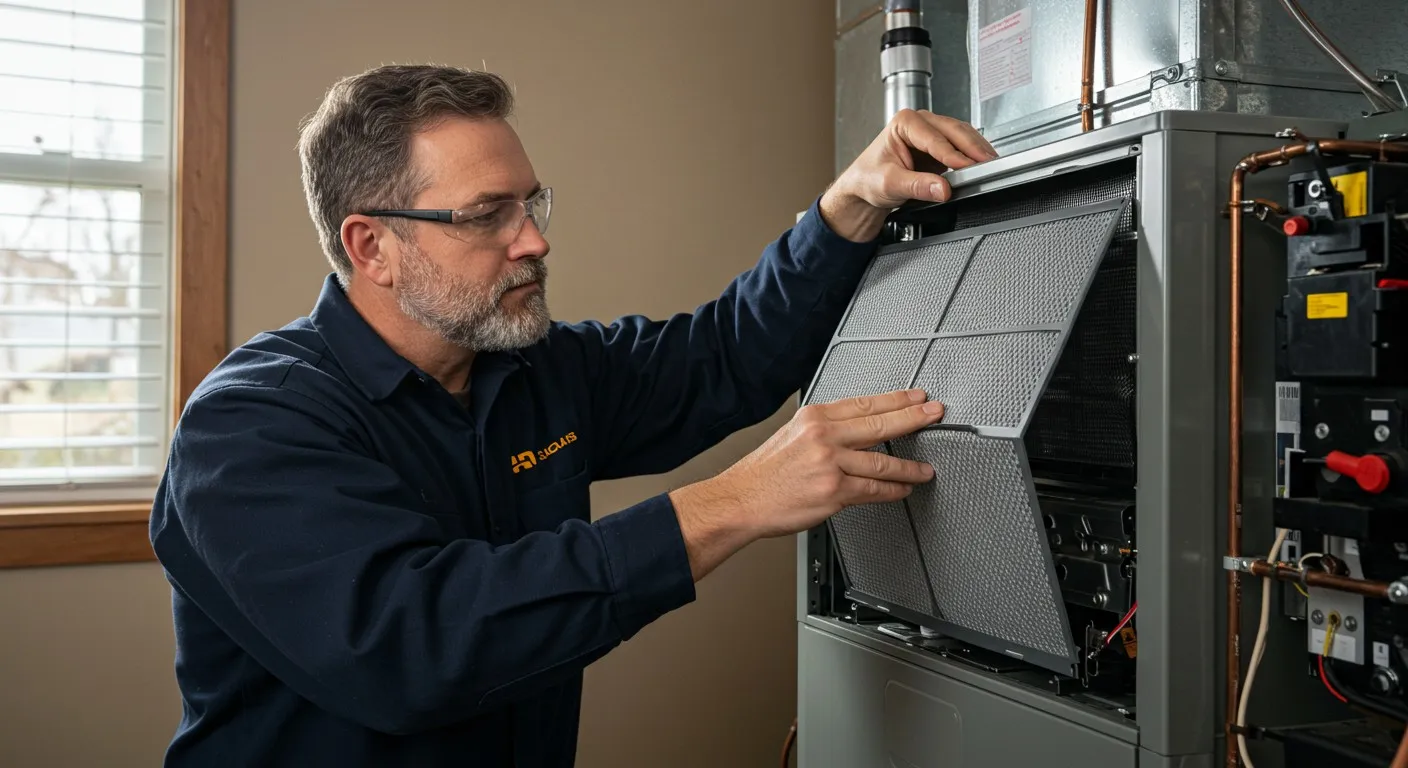
How to inspect your filter safely: Locate your return air filter—usually found in a hallway ceiling grille, a wall return, or directly at the indoor air handler. Pull the filter out and hold it up to a light source. If you cannot see light shining through the material, the filter is severely clogged and must be replaced immediately. According to U.S. Department of Energy data, replacing a dirty, clogged filter with a clean one can lower an air conditioner's energy consumption by 5% to 15% while instantly restoring proper airflow.
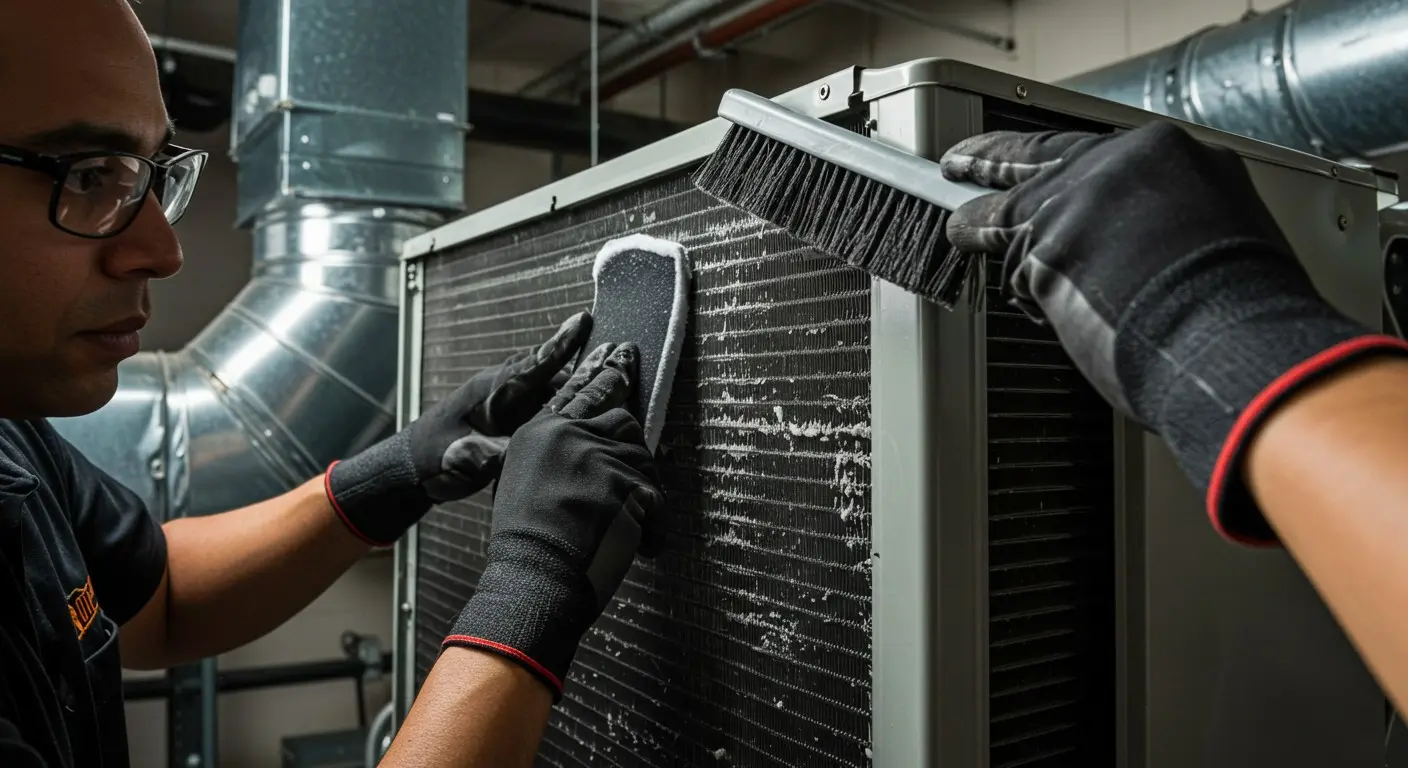
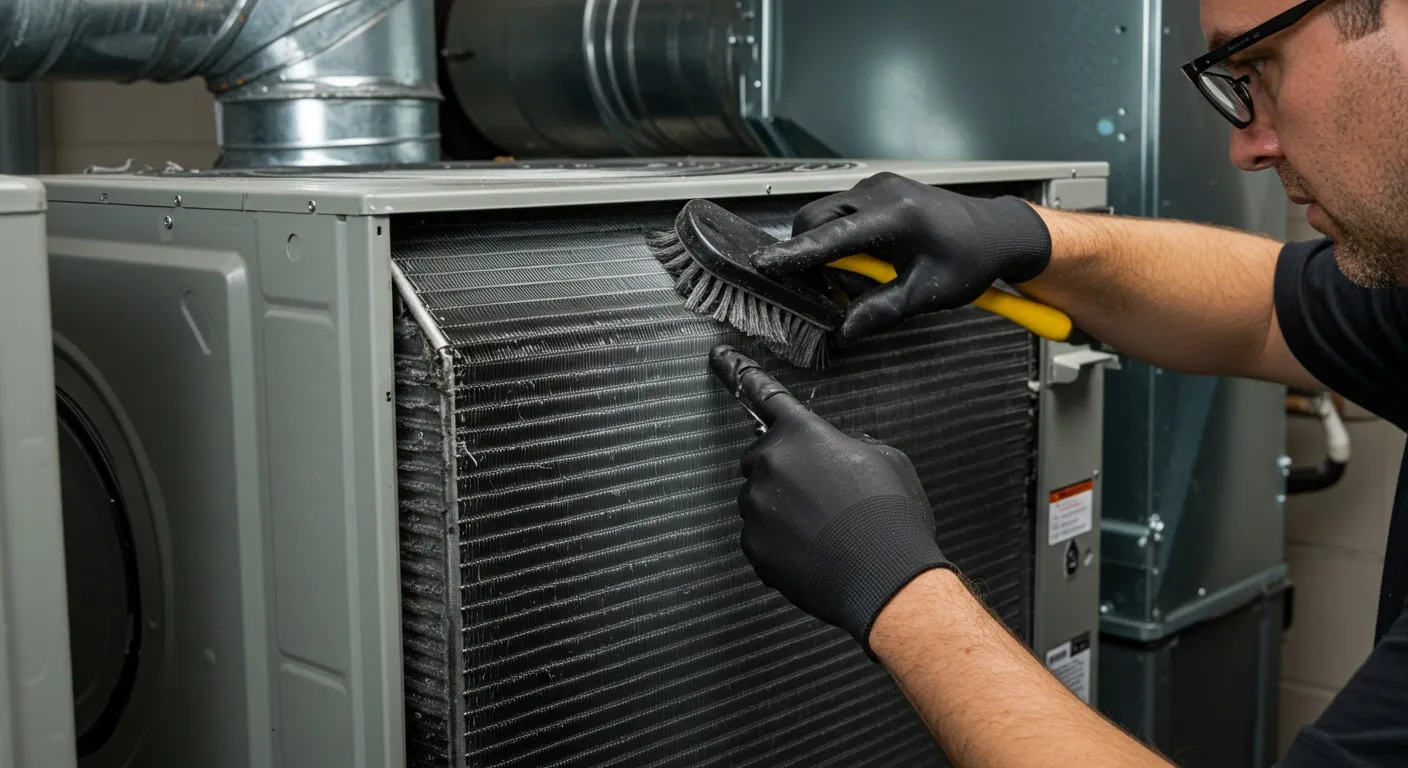
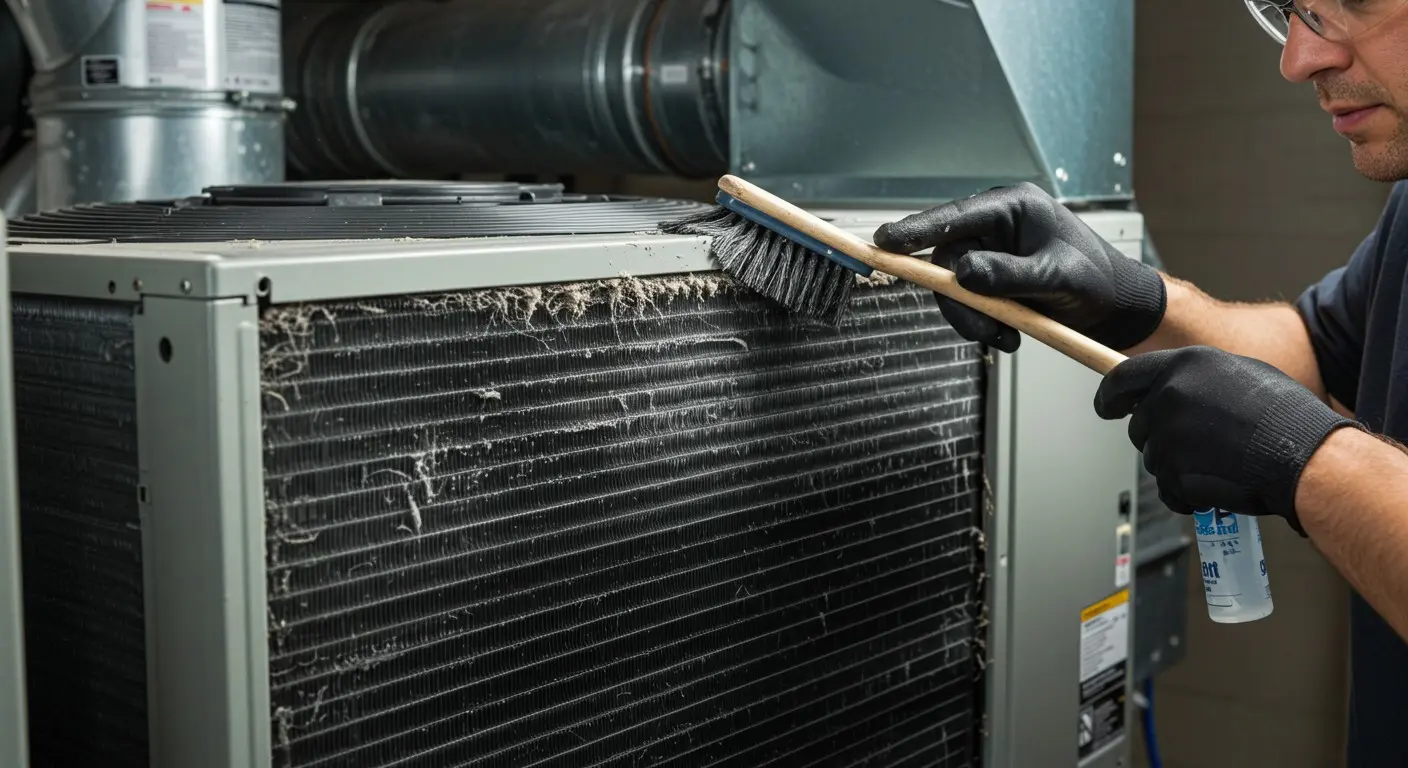
Keeping up with routine AC maintenance prevents these severe airflow blockages from occurring in the first place. A clean system breathes easily, maintains proper pressures, and provides consistent cooling without unnecessary mechanical strain.
Air conditioning systems require a massive amount of electricity to start and run, especially during peak summer heat. If the indoor fan is blowing lukewarm air, it is possible that the outdoor condenser unit has lost power entirely. Checking the electrical panel is the final safe step a homeowner can take before calling a professional.
Locating the HVAC breakers: Open your main electrical panel and look for the breaker labeled "AC," "Condenser," or "HVAC." Air conditioners usually operate on a double-pole breaker. If the switch has moved to the middle, neutral position, it has tripped.
The strict one-reset rule: If you find a tripped breaker, you may push it fully to the "Off" position, and then firmly to the "On" position. You may do this exactly once. If the breaker holds and the outdoor unit turns on, monitor the system closely. However, if the breaker trips immediately again, or trips after a few minutes of operation, you must stop immediately.
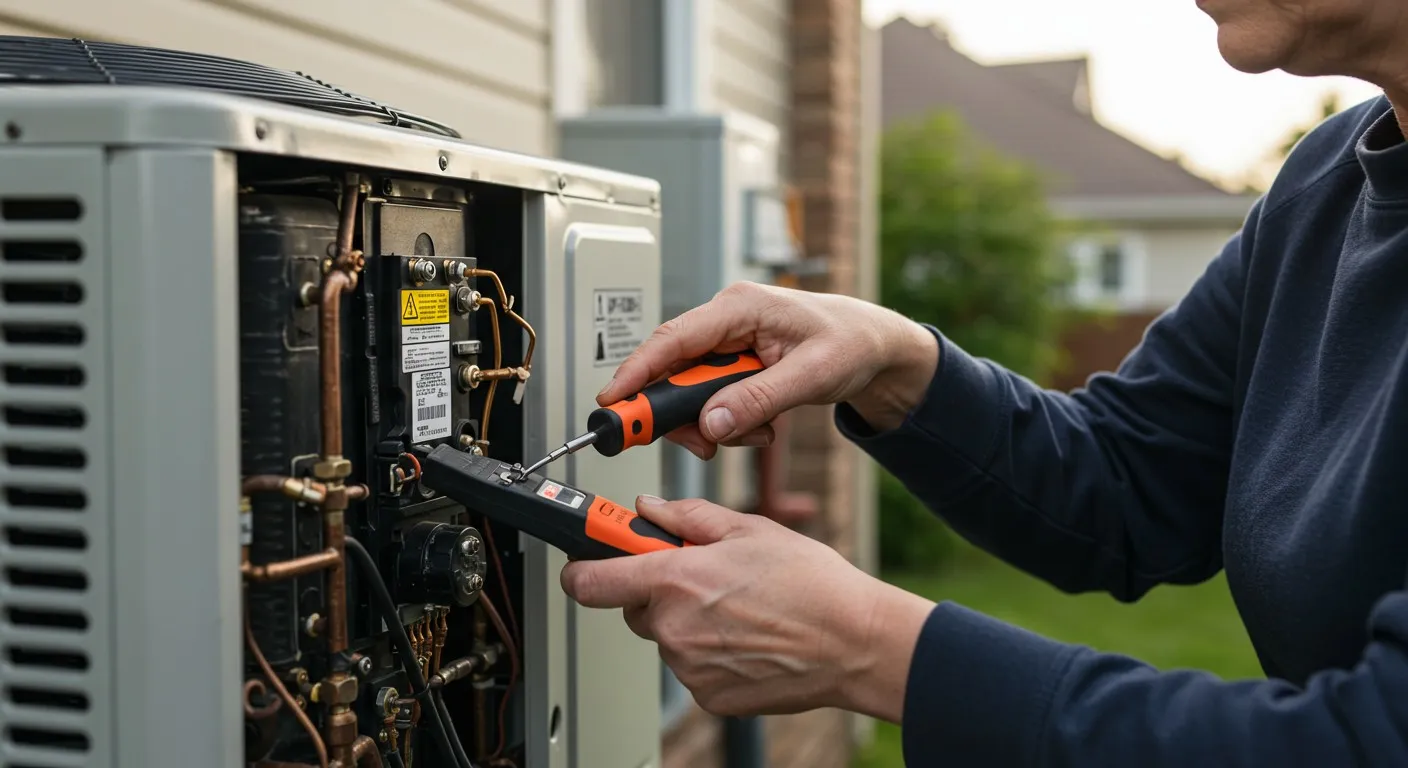
A breaker that repeatedly trips is doing its job: protecting your home from a severe electrical short, a failing motor, or a grounded compressor. Forcing a breaker to reset multiple times can cause electrical fires or permanently destroy the equipment. Repeated trips are clear warning signs your AC is about to fail, and they require licensed diagnostic tools to trace the electrical fault safely.
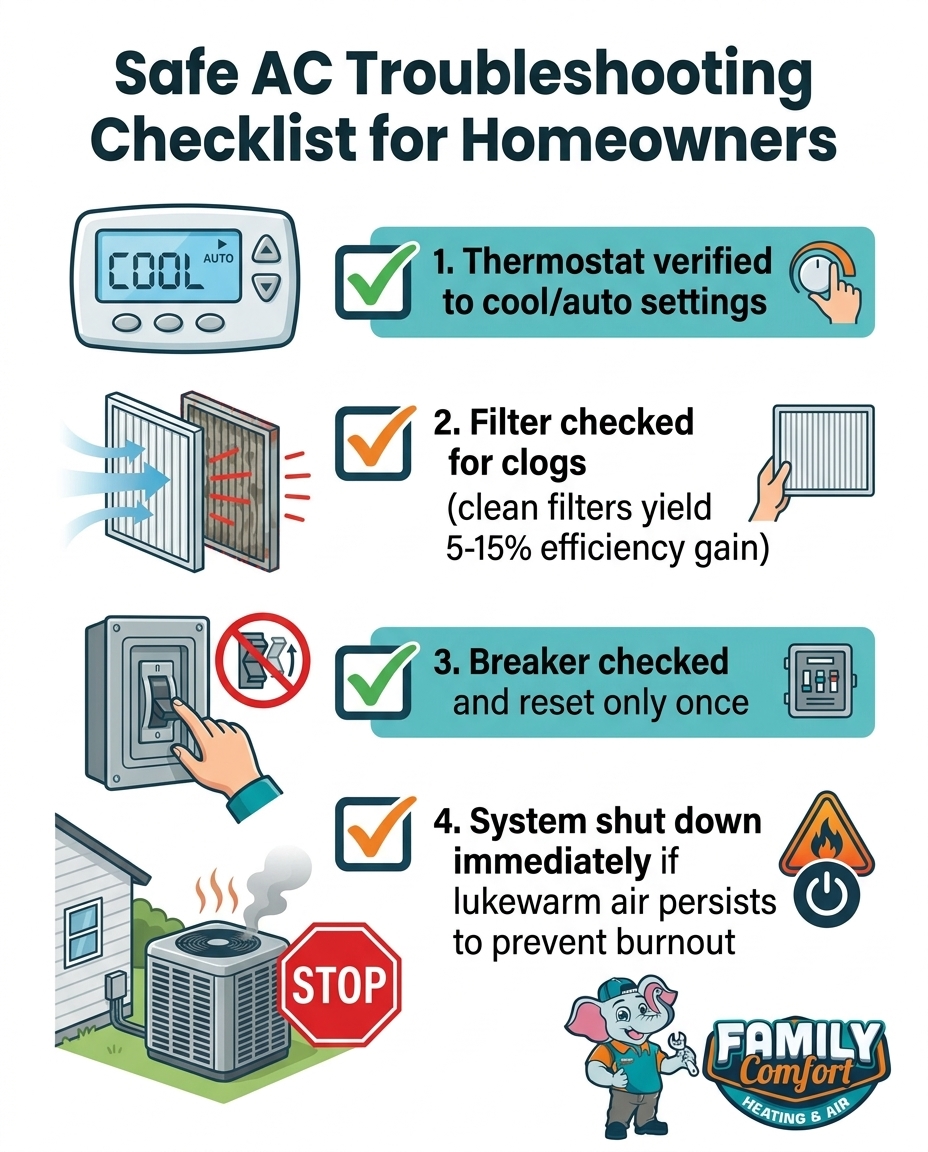
There is a clear boundary between safe homeowner troubleshooting and mandatory professional intervention. Once you have verified the thermostat, changed a dirty filter, and checked the breaker, your safe diagnostic options are exhausted. If the system is still blowing lukewarm air, you must leave it turned off and call for professional help. Continuing to run the system will only cause further damage.
Signs of a frozen evaporator coil: If you notice water pooling around your indoor unit, or if you can see visible ice buildup on the indoor coil or the copper refrigerant lines outside, the system is frozen solid. Turn it off completely. A technician cannot properly diagnose or repair a system while it is encased in ice; it must be allowed to thaw naturally, which can take several hours.
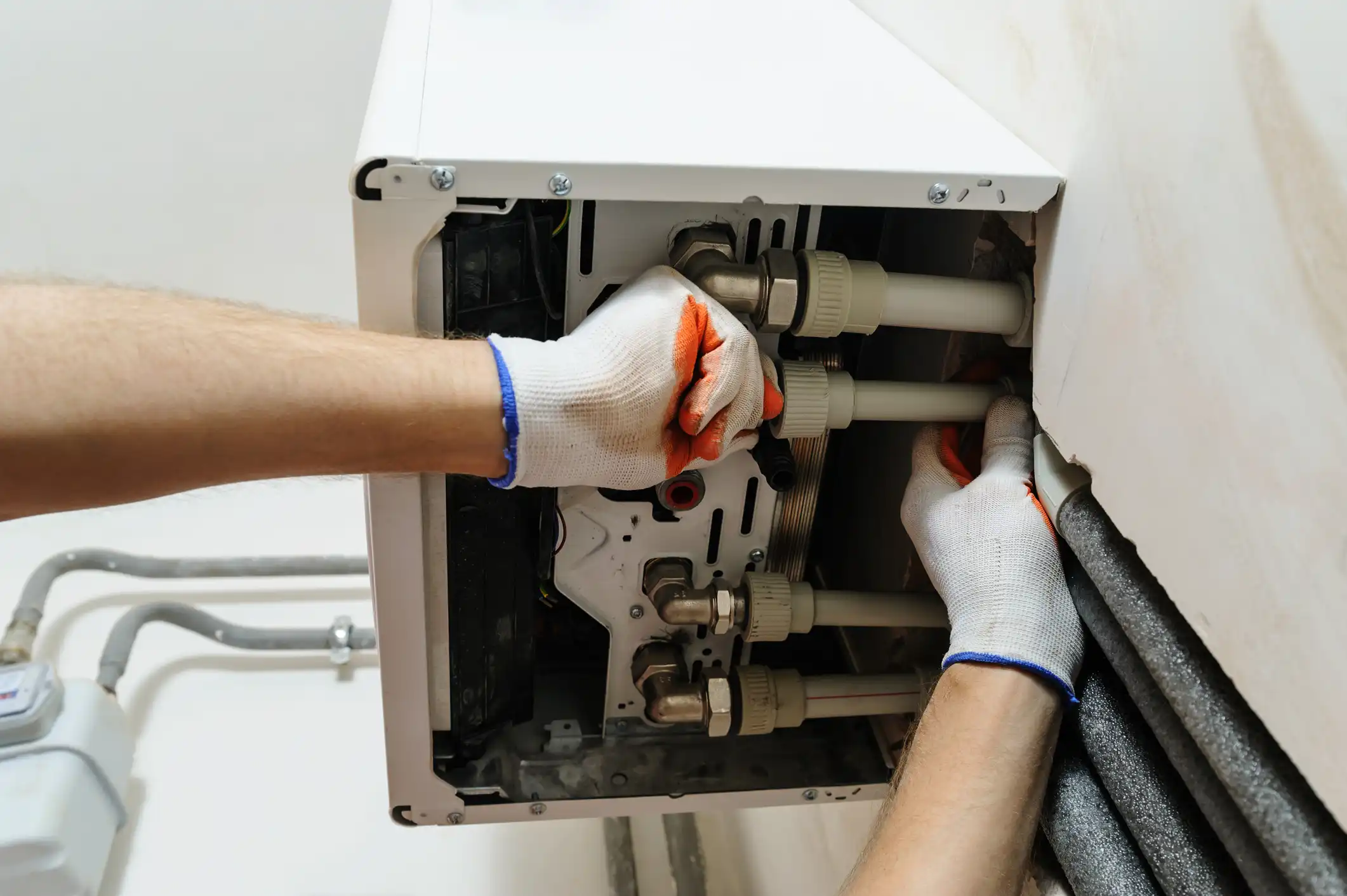
Indicators of refrigerant leaks: Air conditioners do not "consume" refrigerant. If the system is low, there is a leak. Symptoms of a leak include a hissing or bubbling noise near the indoor or outdoor units, or a faintly sweet, chemical smell in the air. Handling refrigerant requires EPA certification and specialized gauges to pinpoint and braze the leak securely.
Unusual mechanical noises: Pay attention to the sounds coming from the outdoor unit. A screeching sound often points to a failing fan motor bearing. A loud buzzing can indicate a failing capacitor or a stuck contactor. A harsh grinding noise usually means the compressor is struggling mechanically. A bad connection in the AC system can cause immediate cooling failure; during a recent morning service call in Boyd, our technicians identified and fixed an electrical connection issue, restoring cool air through the ducts within an hour. If you hear any of these noises, shut the power down immediately to prevent the components from tearing themselves apart.
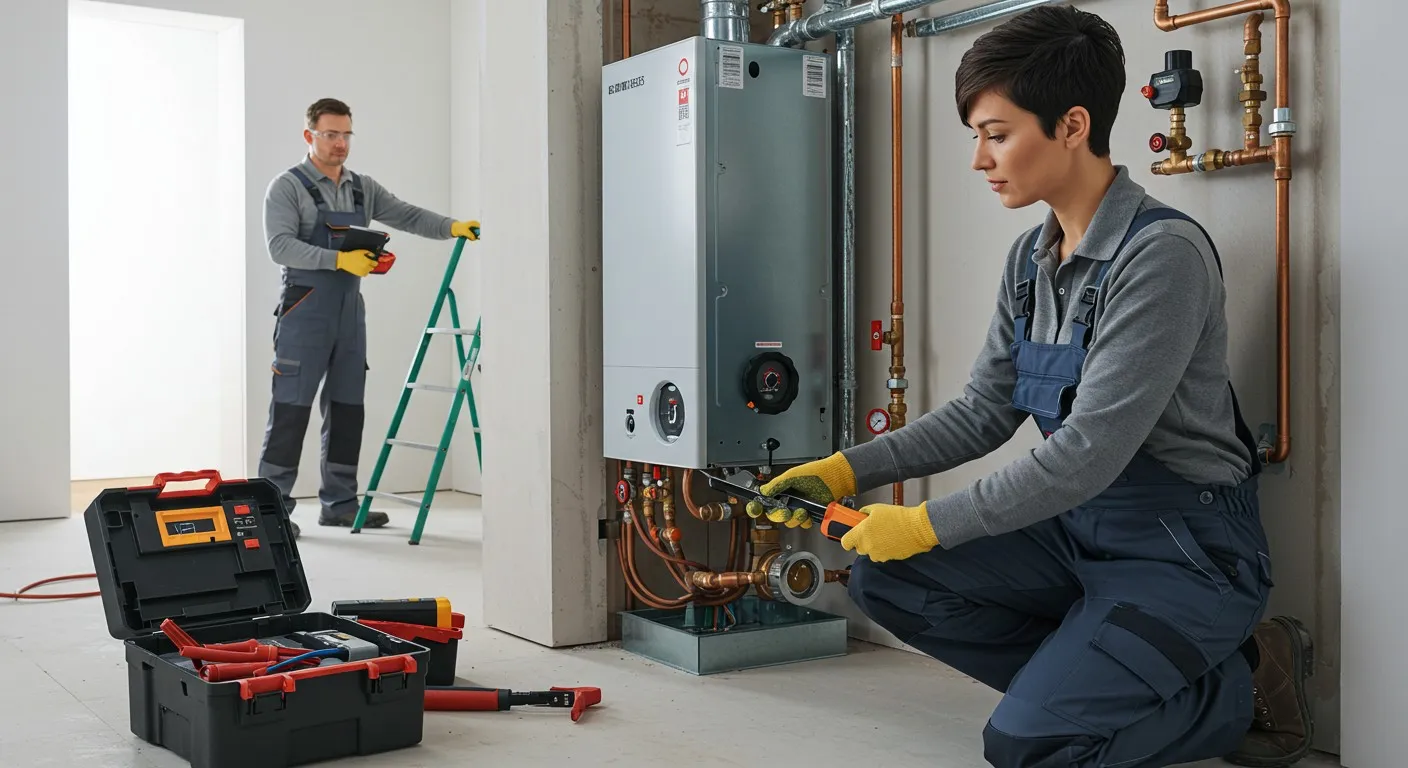
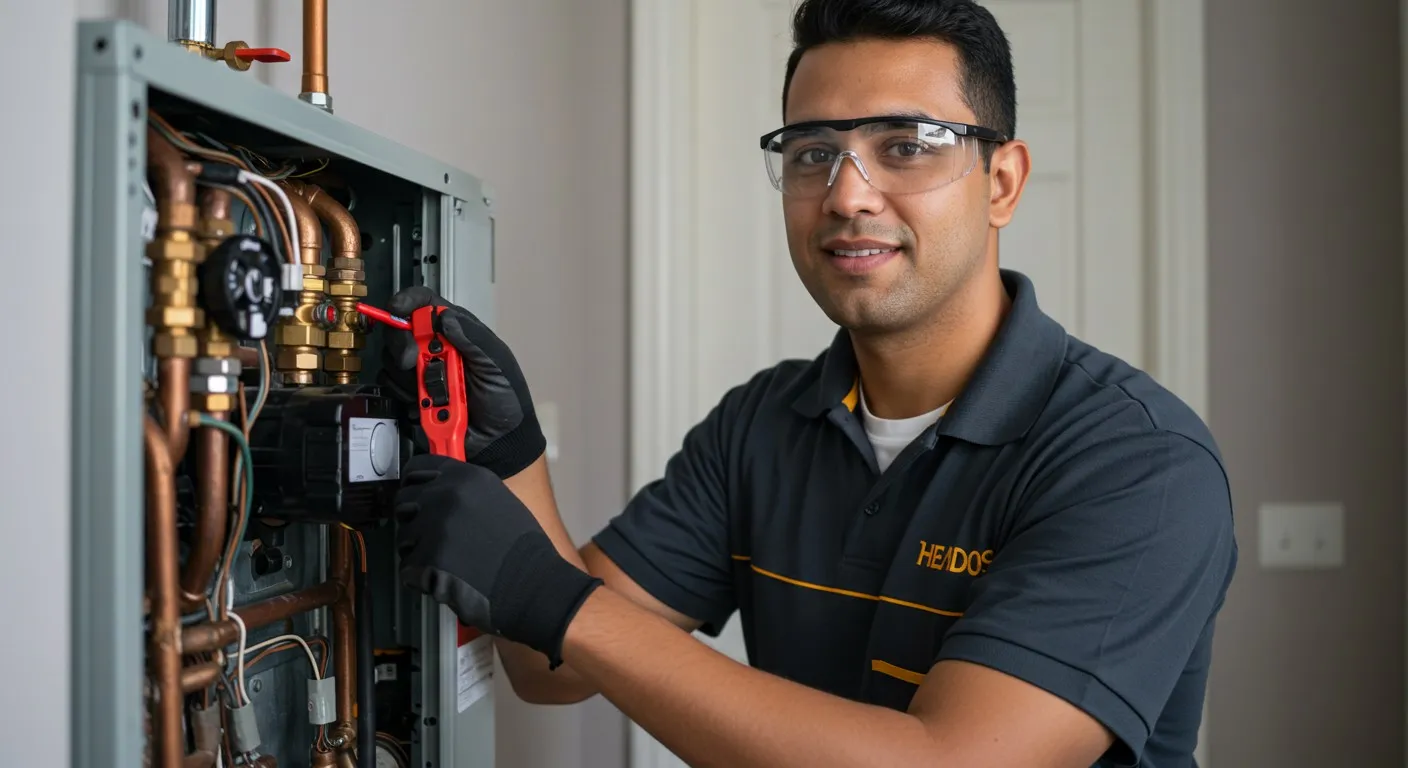
When you place a call for professional service with our team, the goal is to identify the root cause of the lukewarm air, not just treat the symptom. A thorough diagnostic process ensures that the system is repaired safely and reliably, preventing the same failure from happening again during the next heatwave.
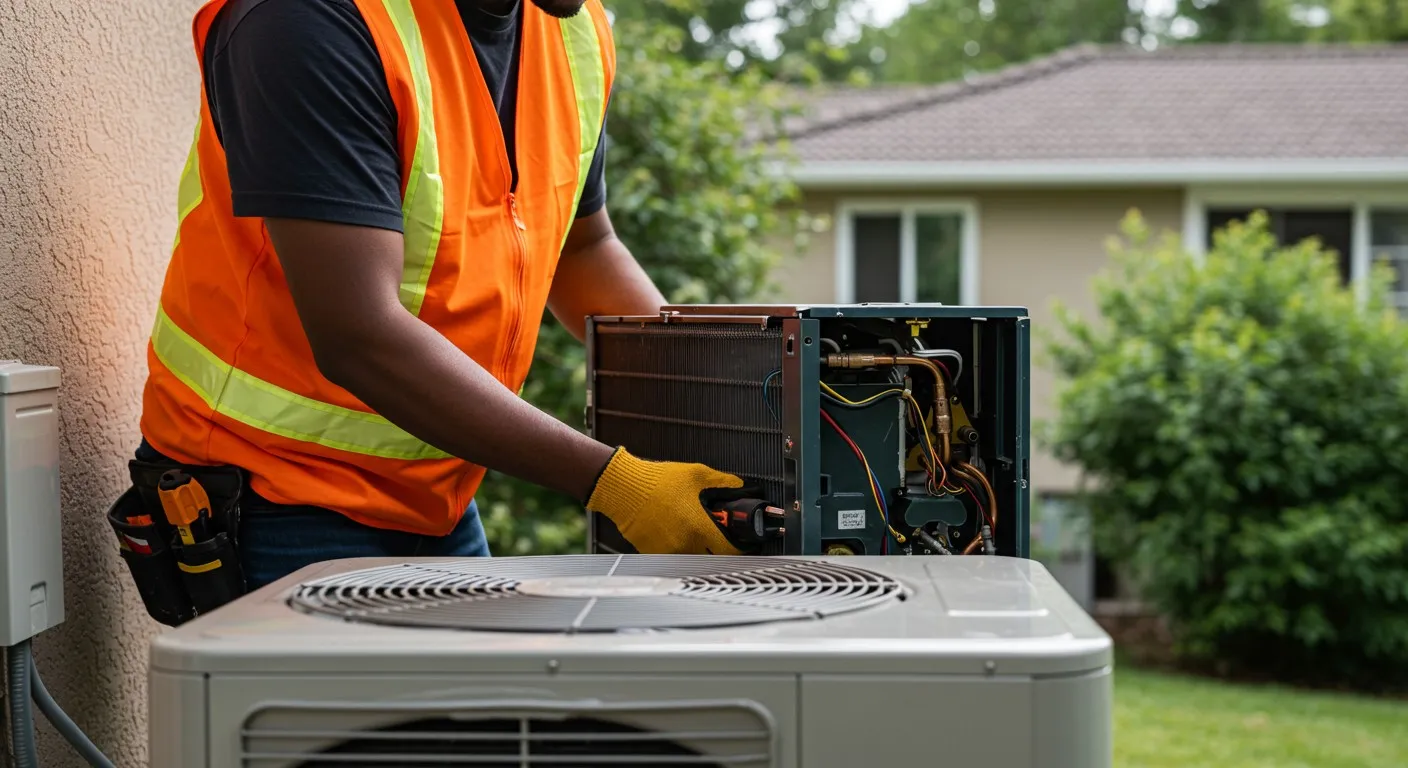
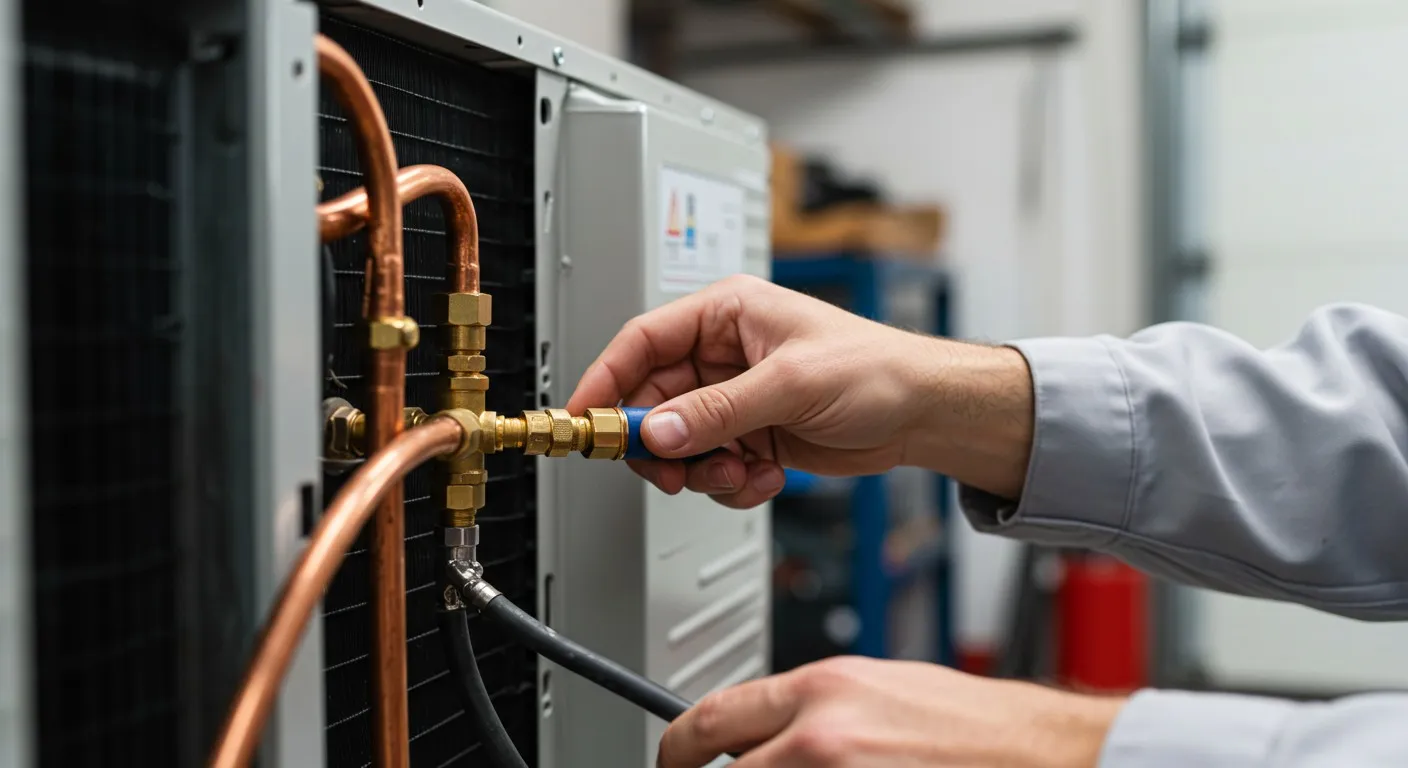
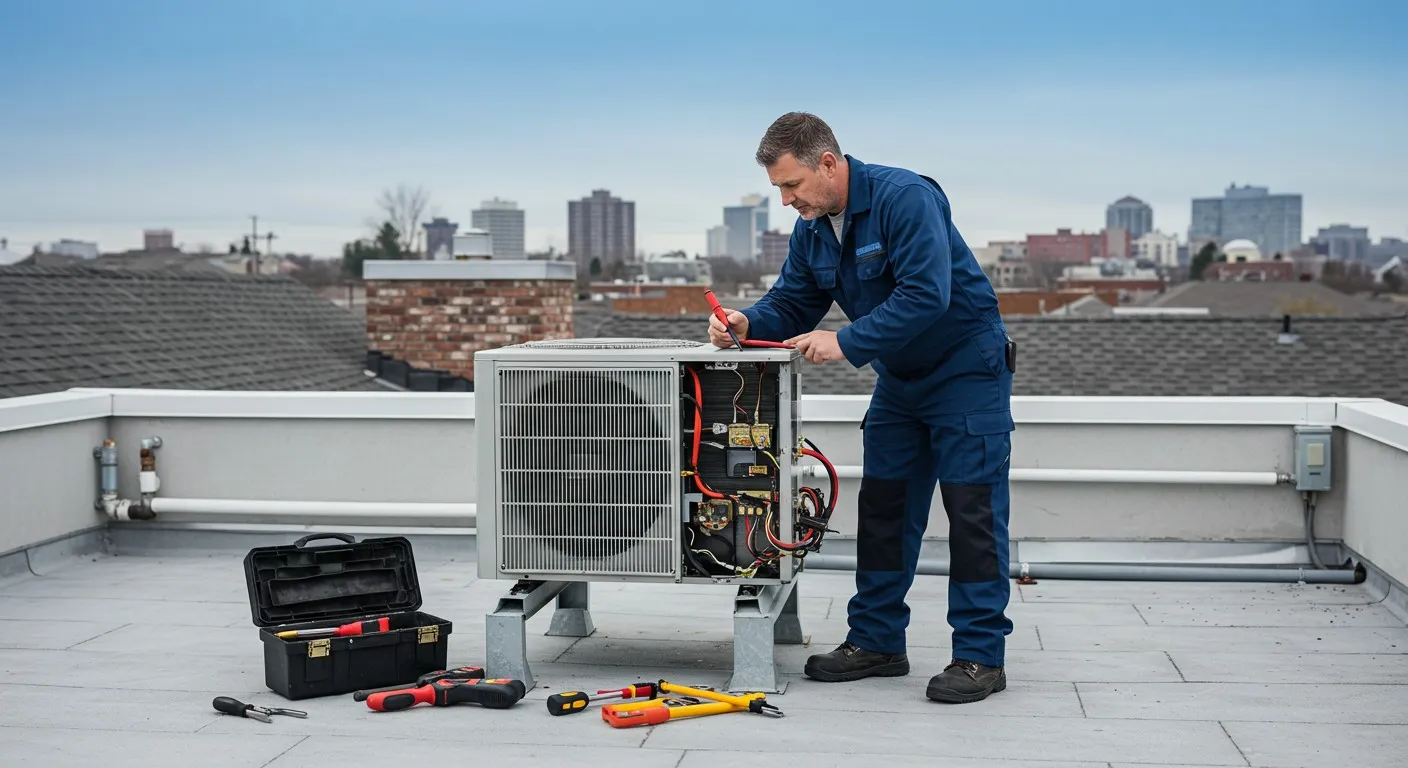
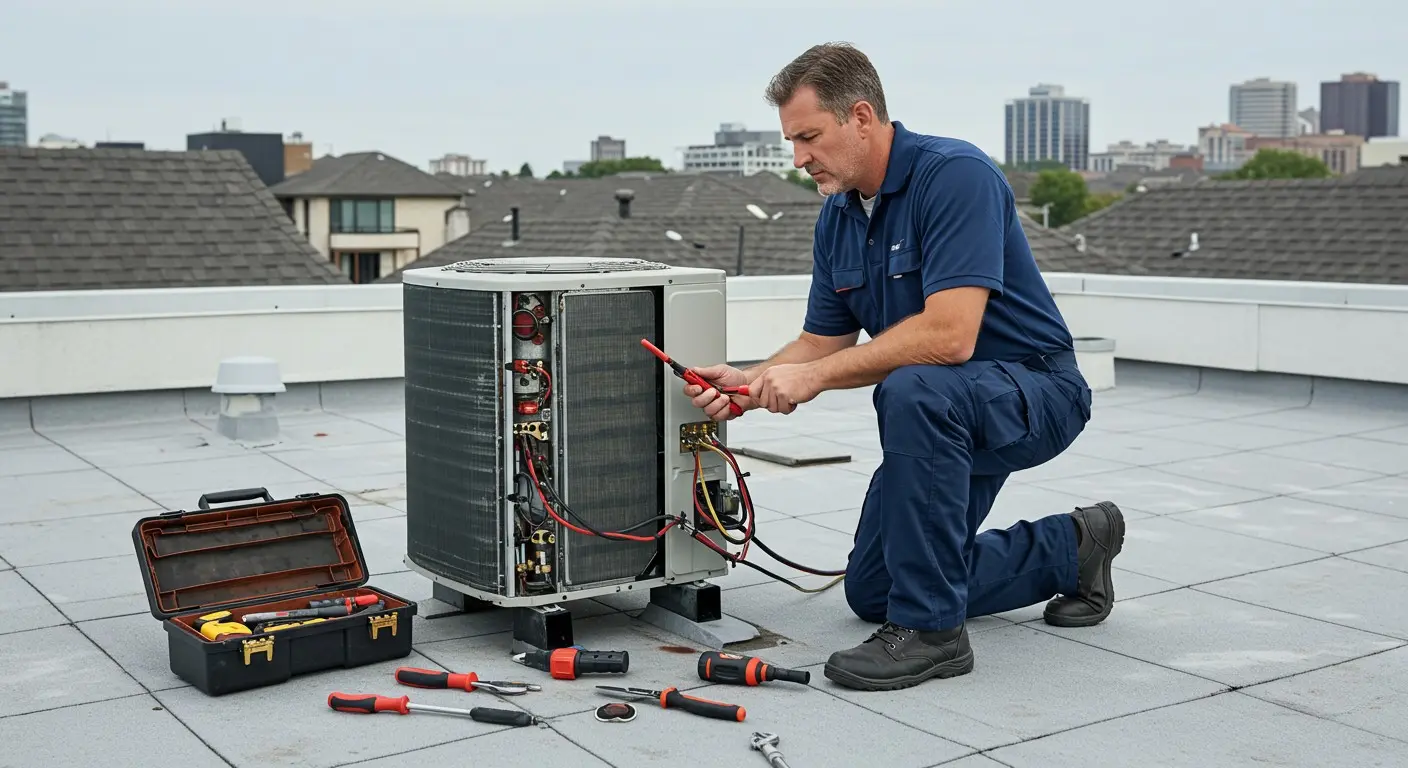
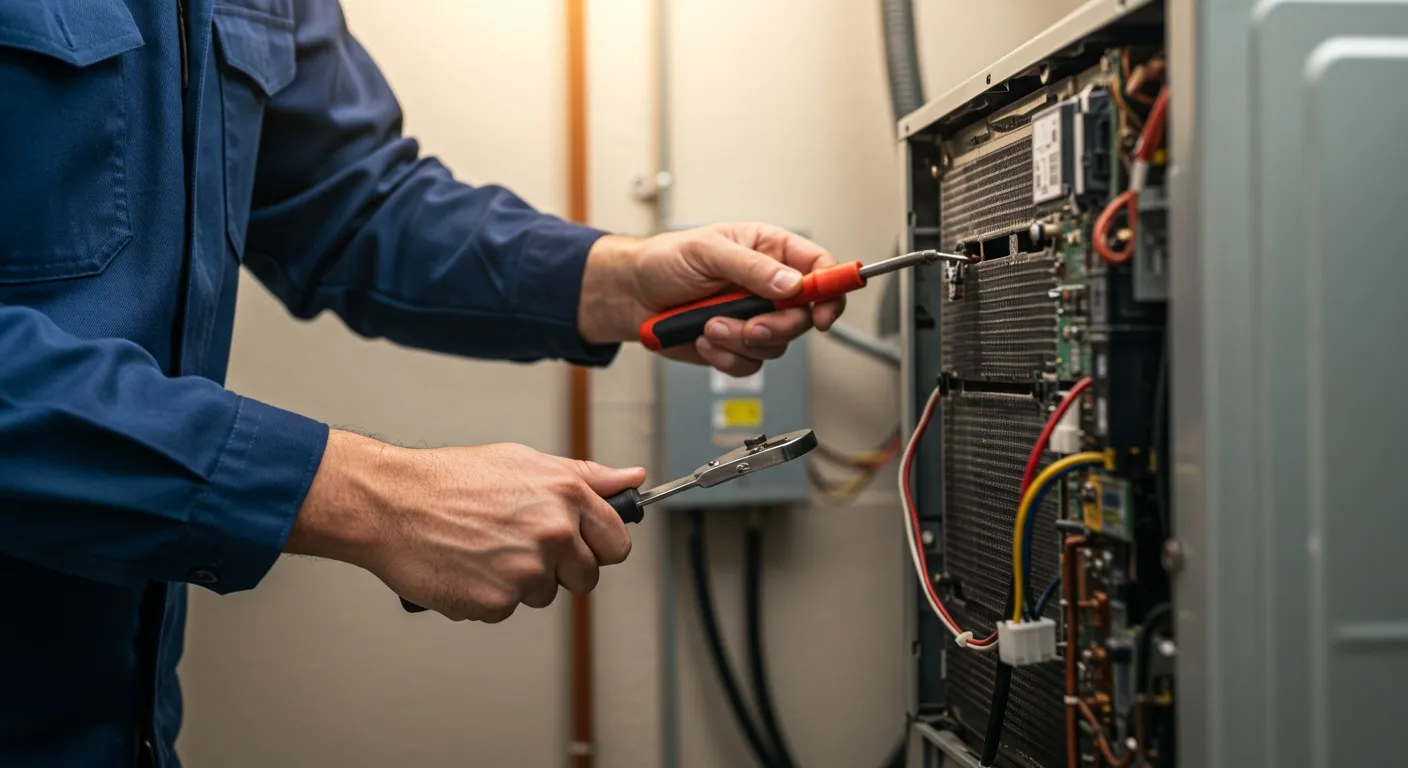
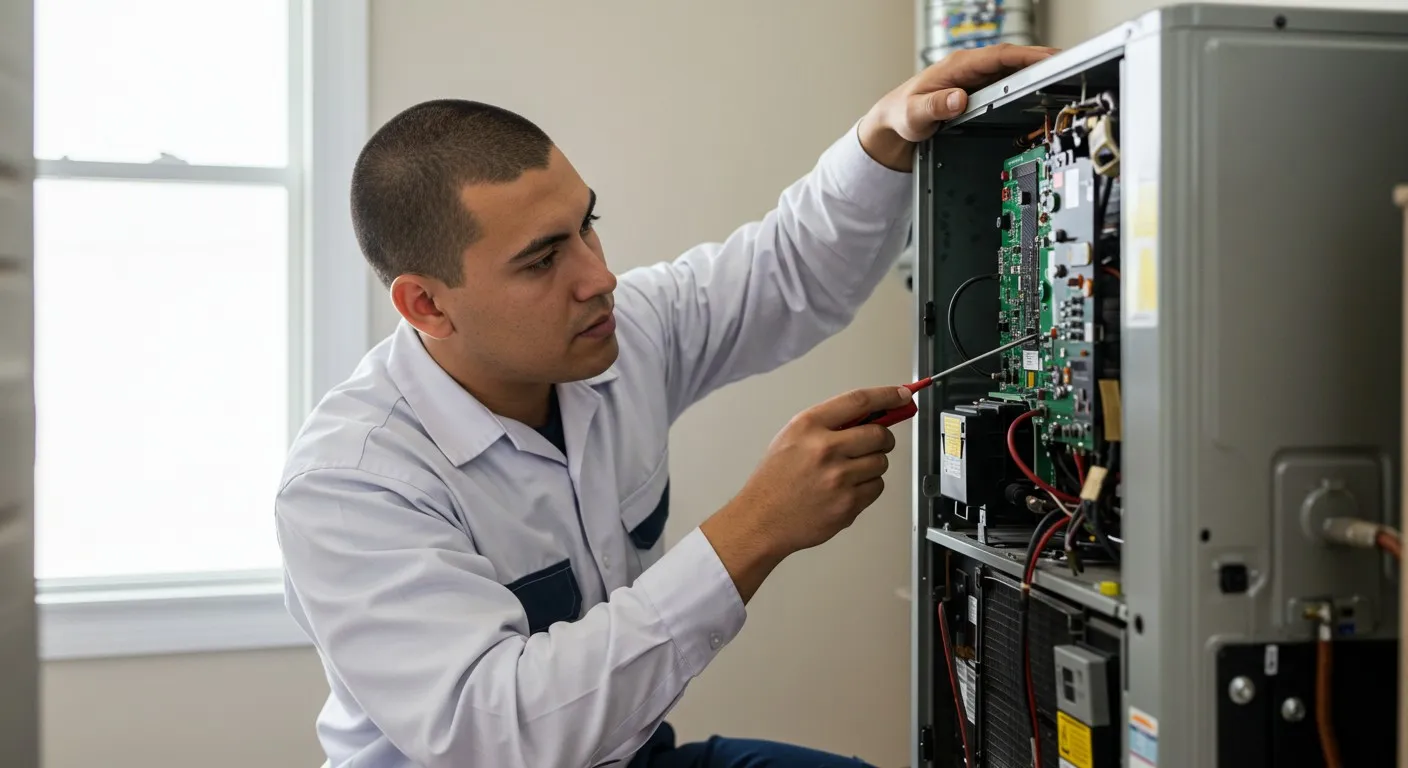
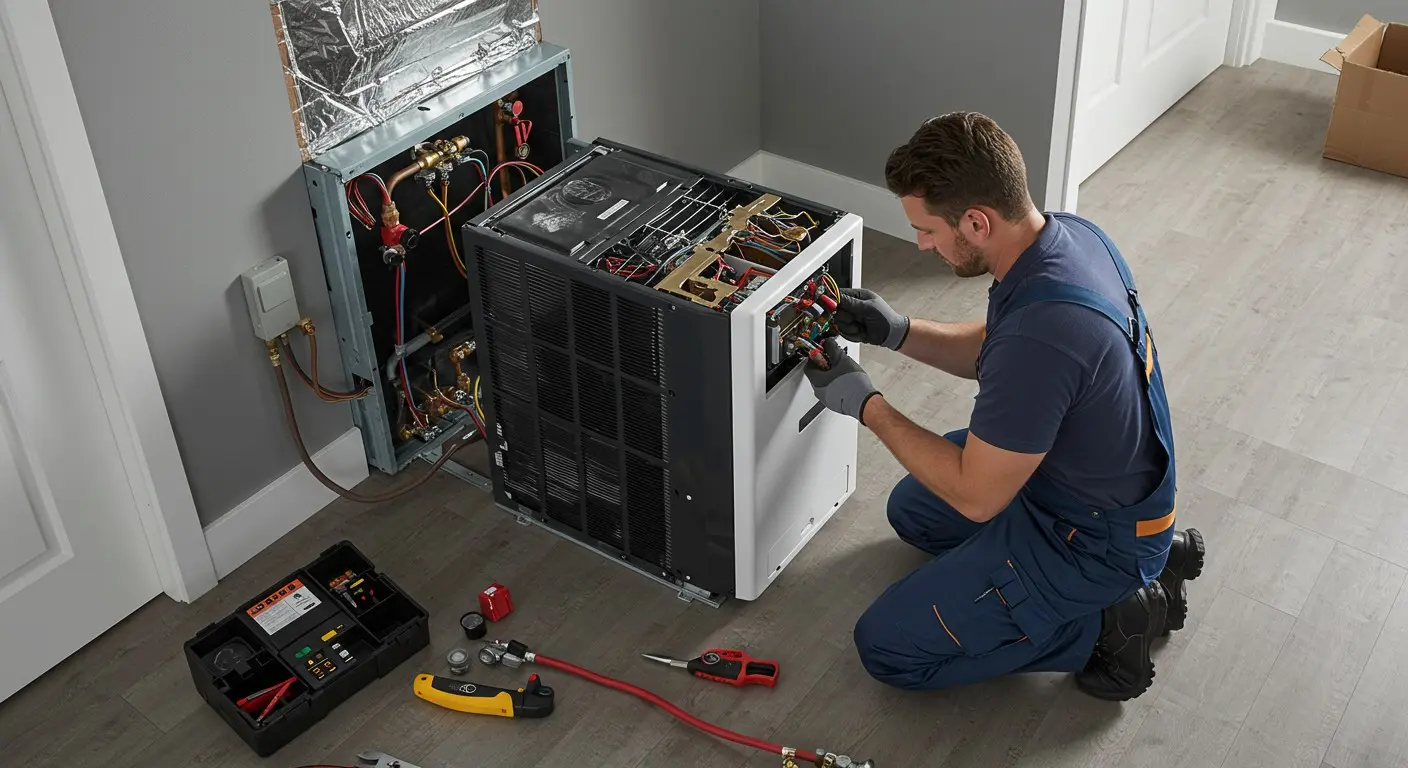
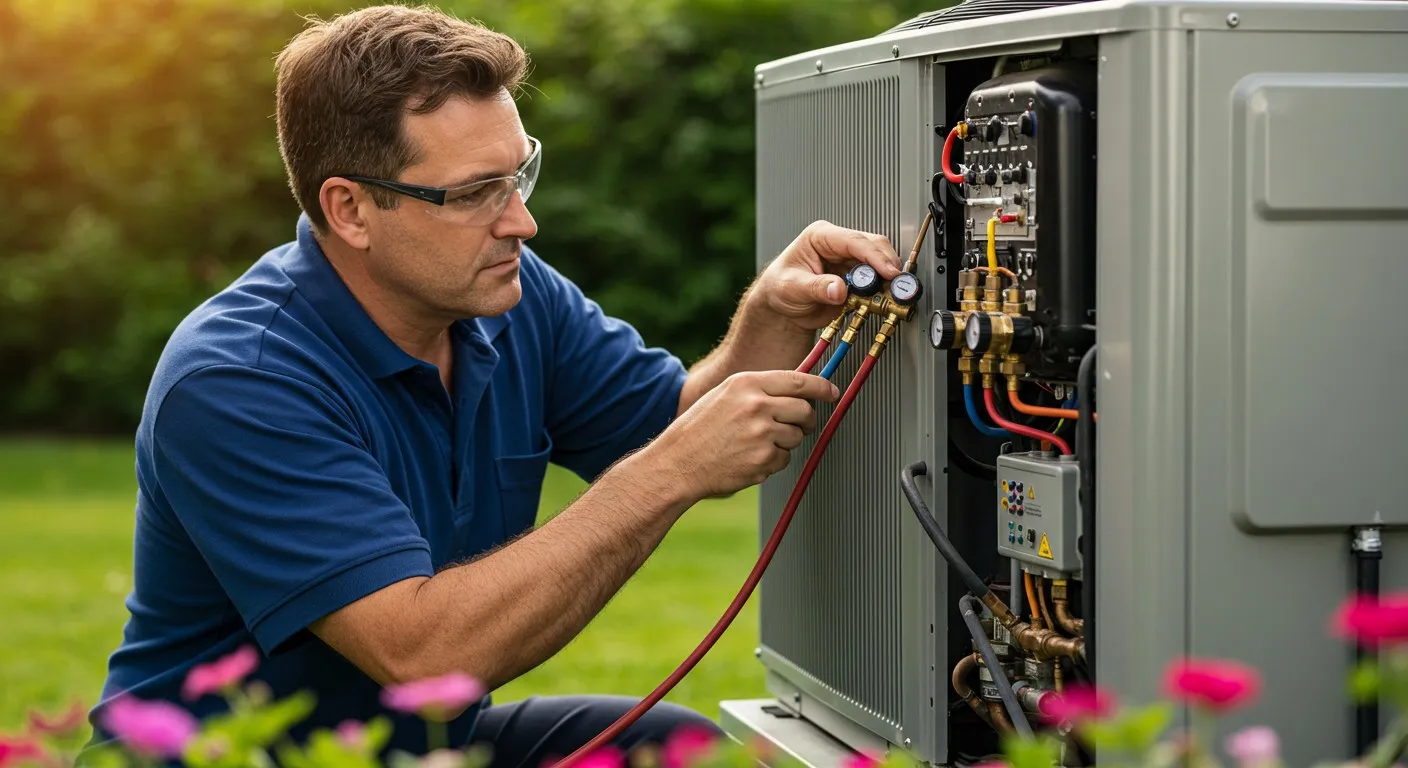
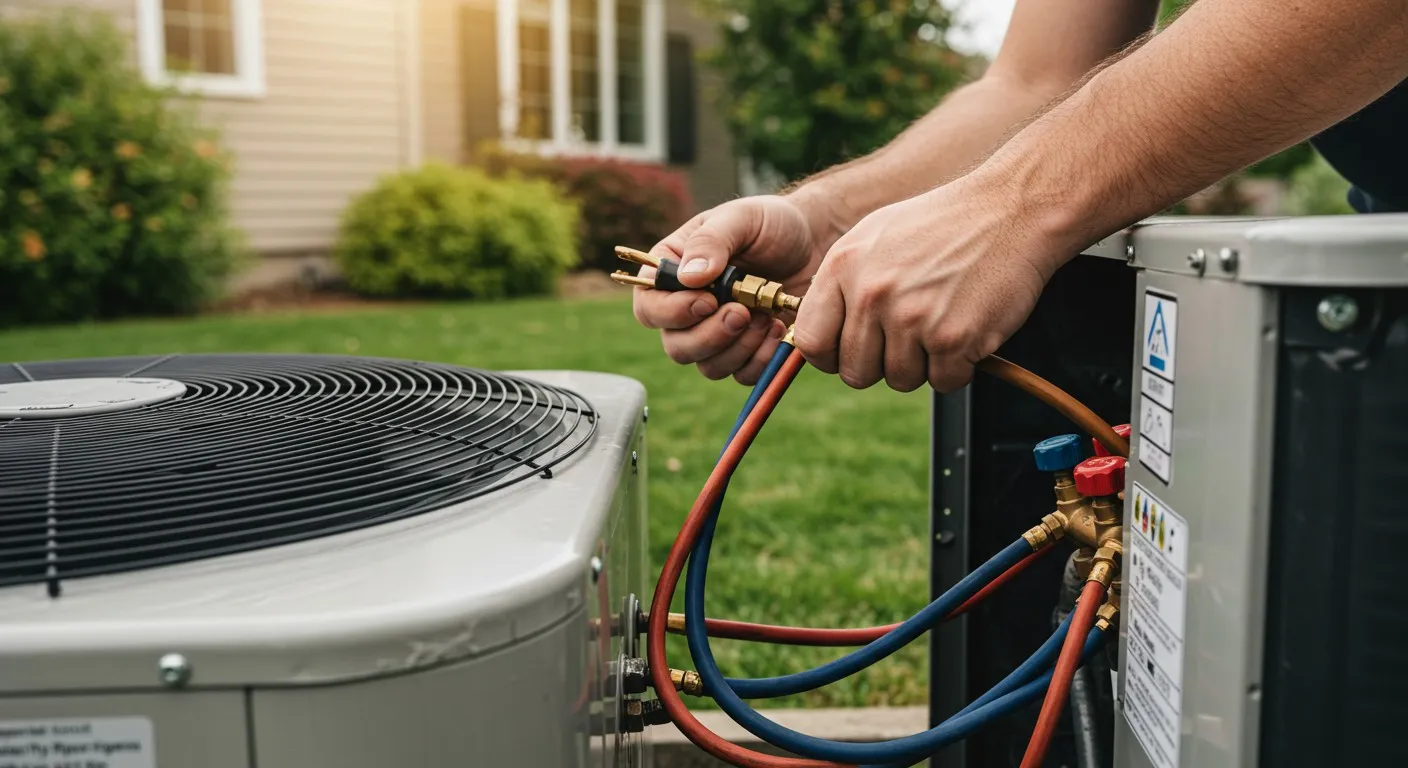
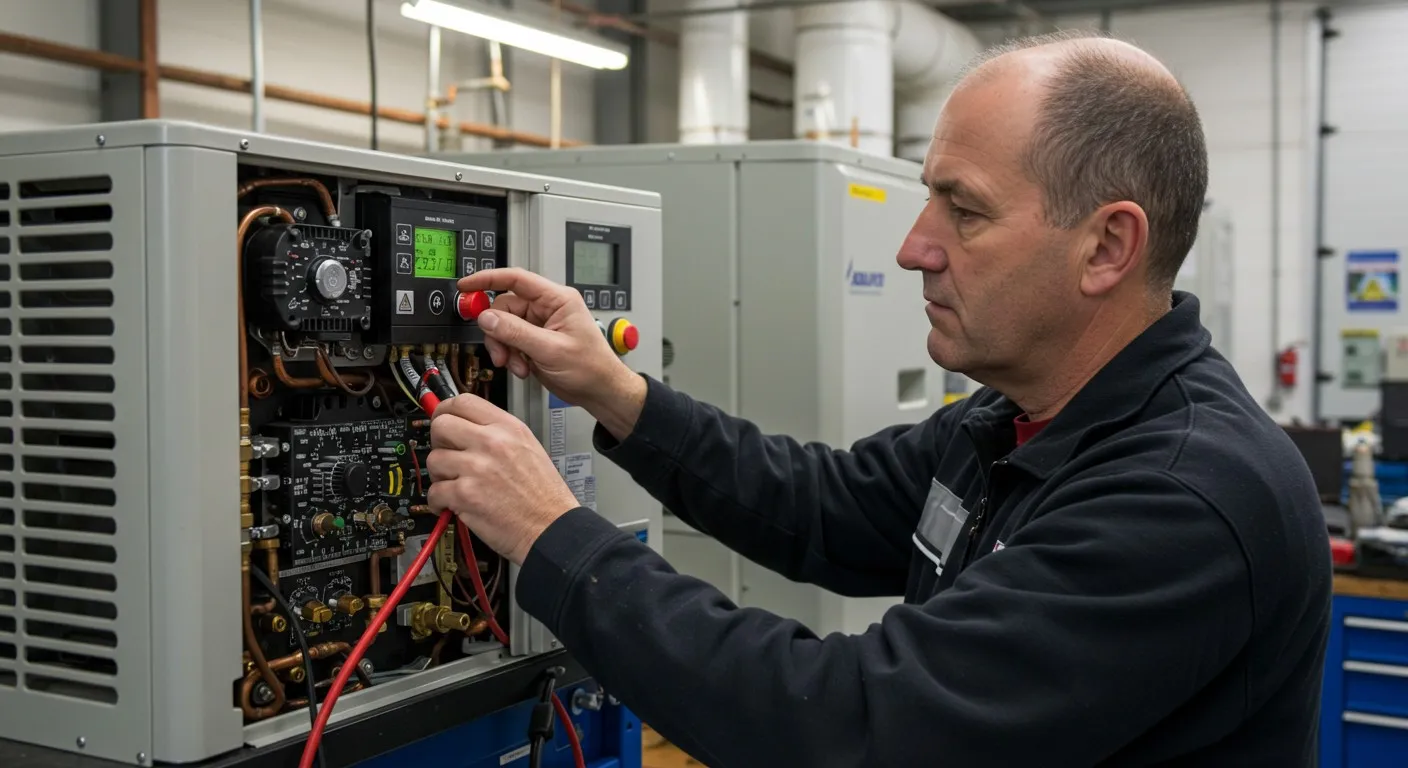
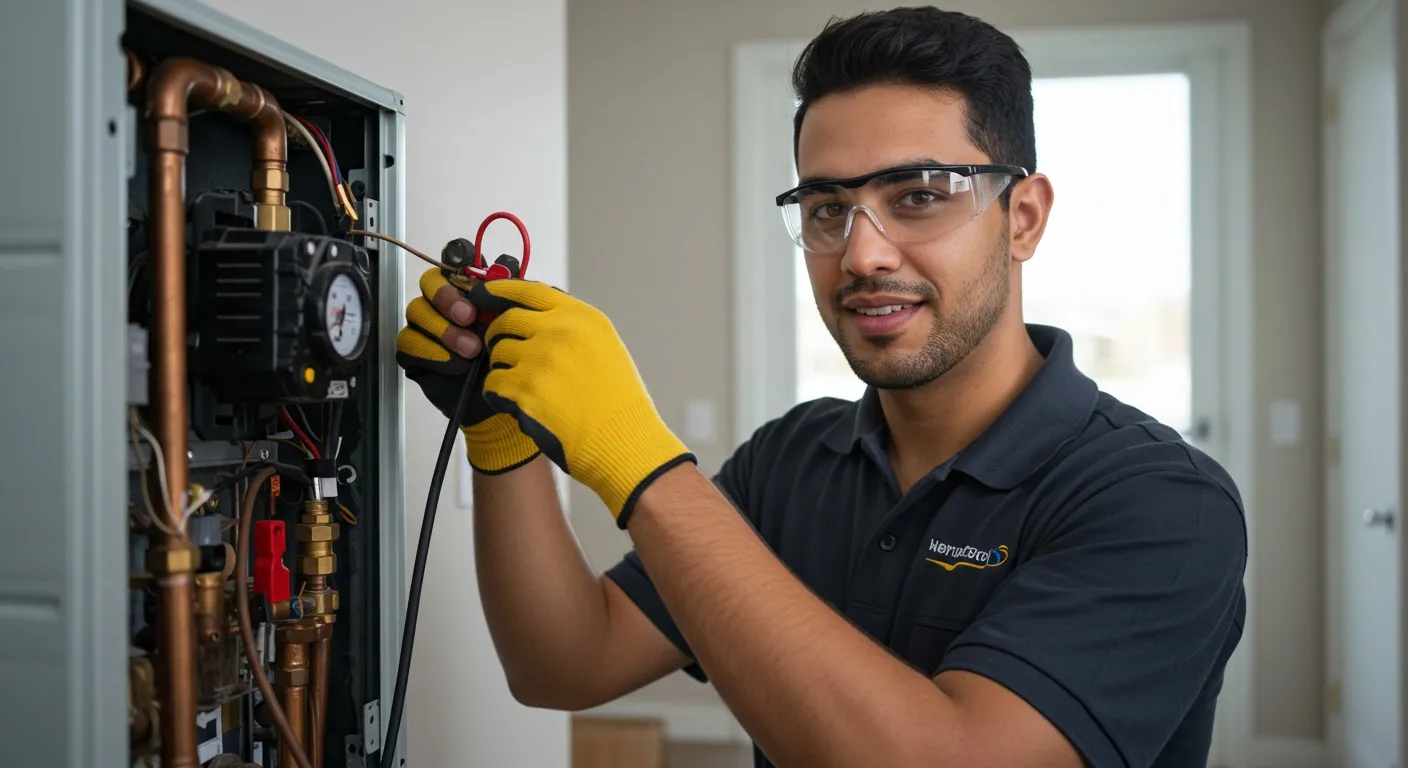
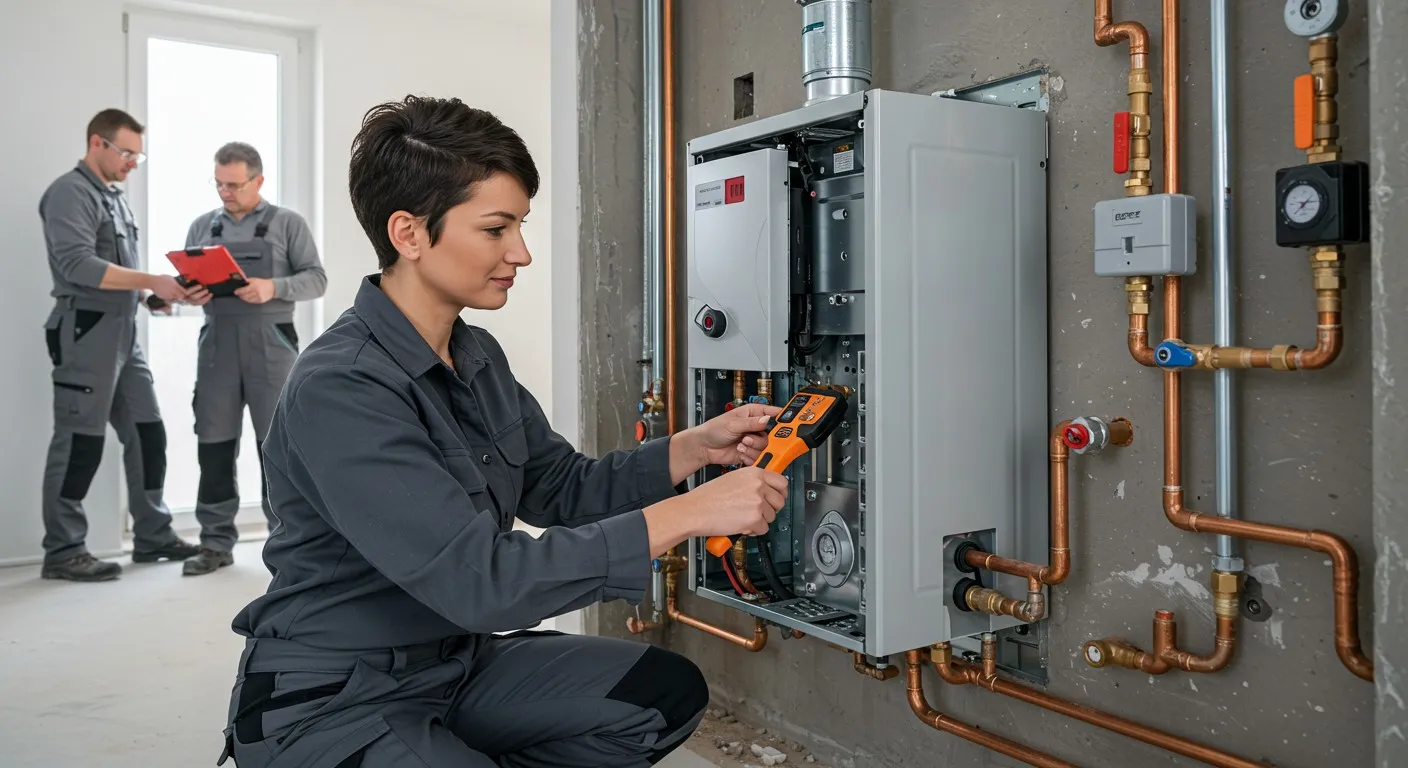
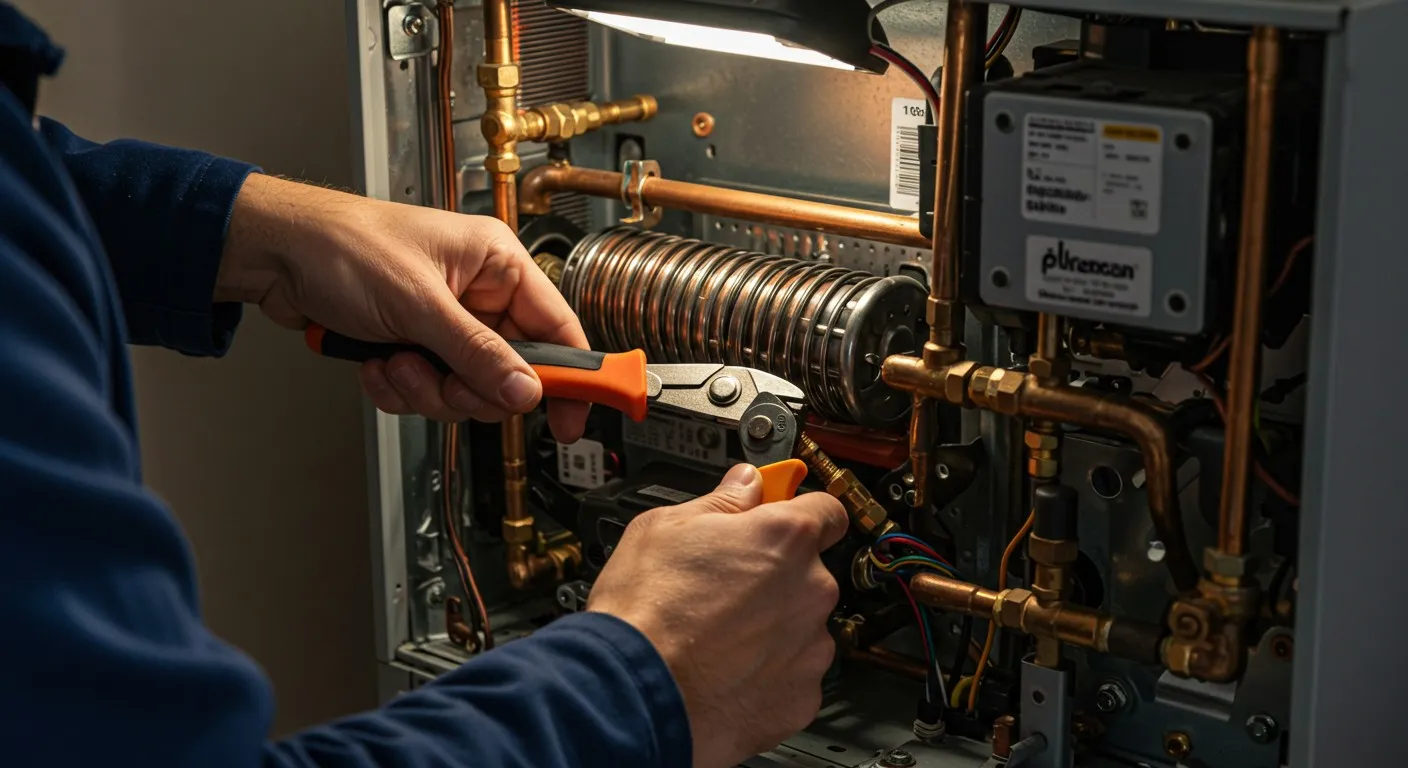
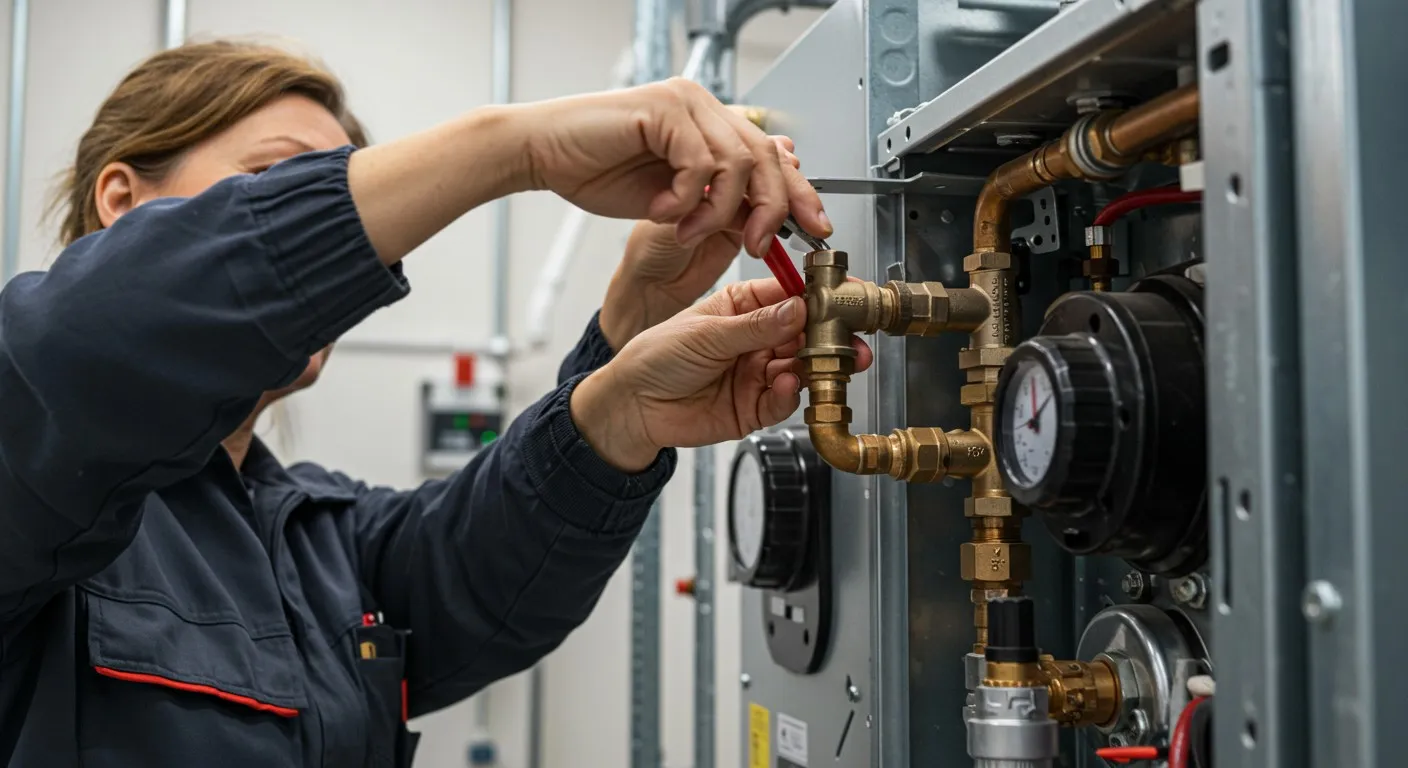
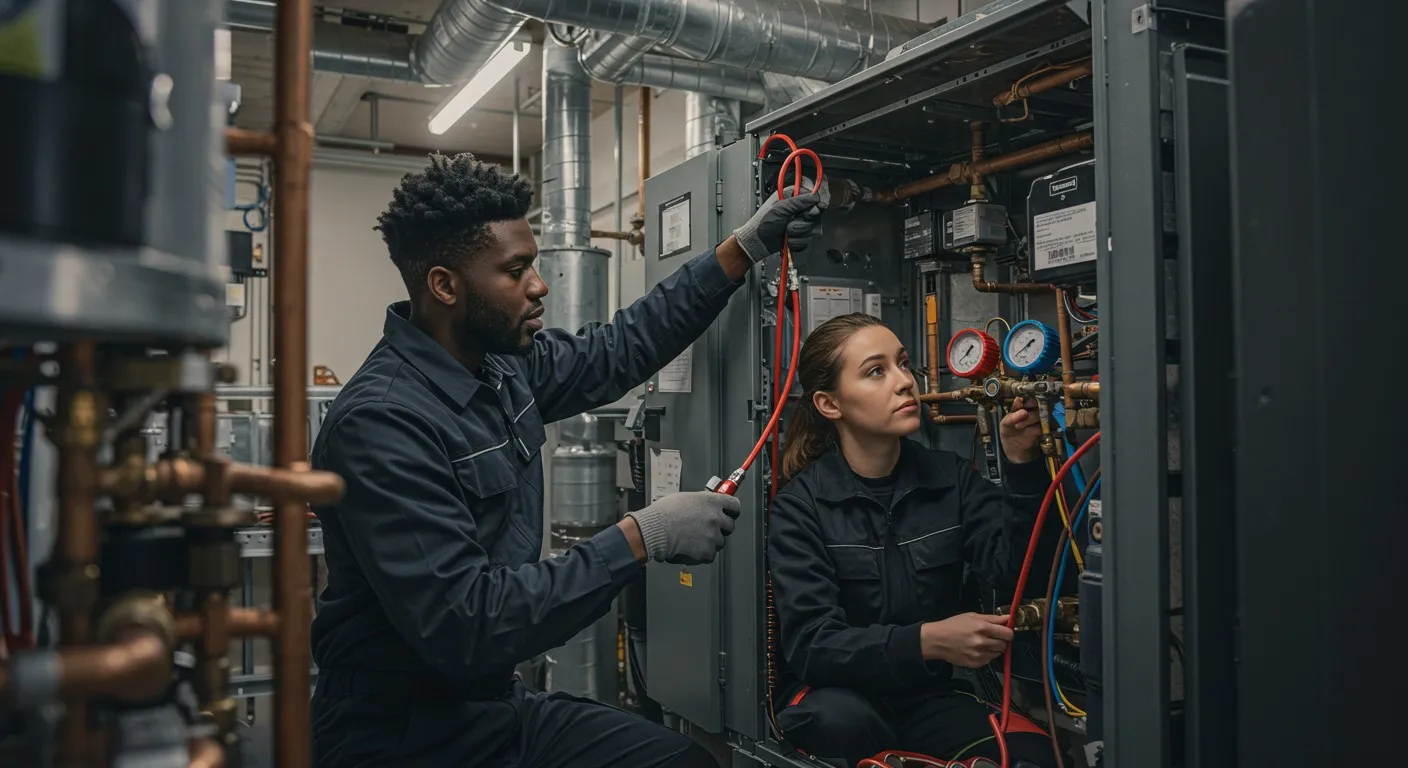
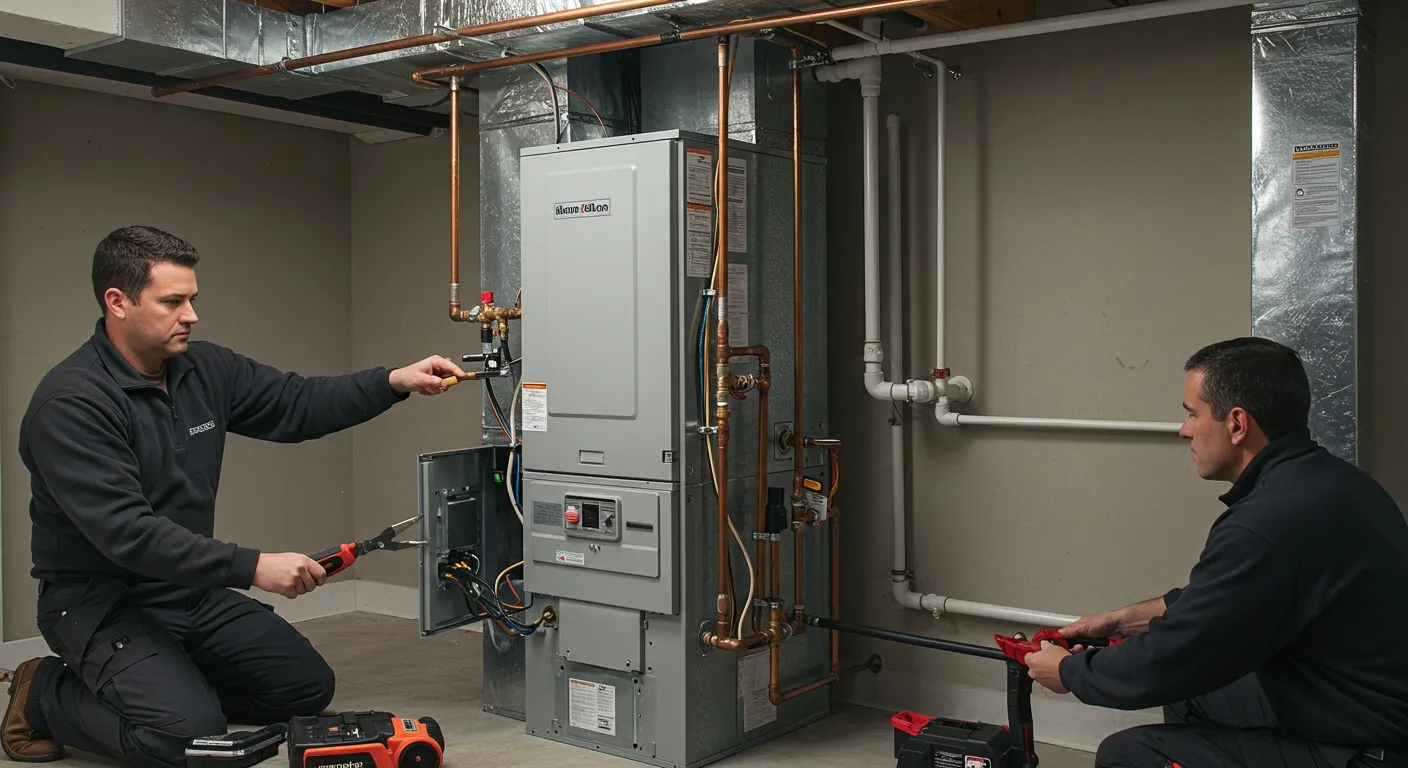
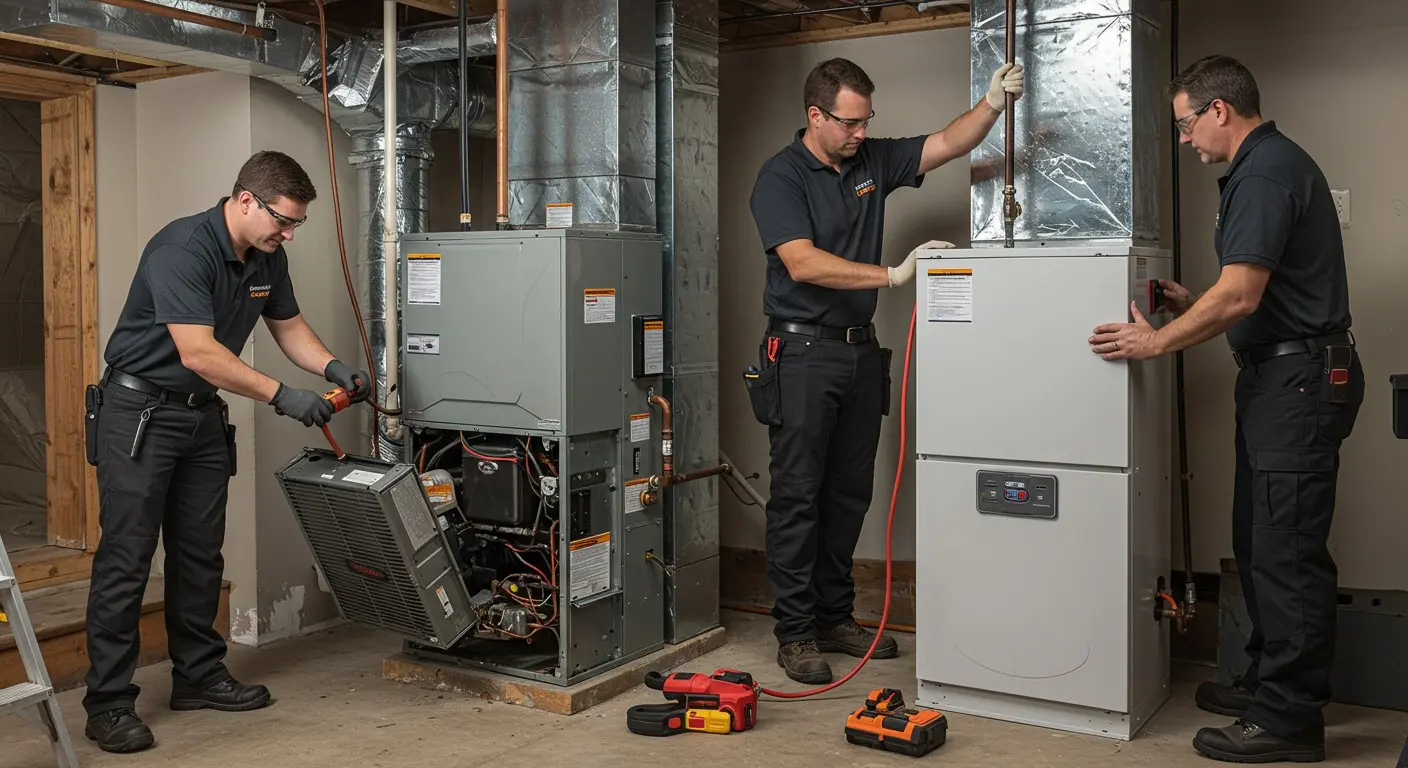
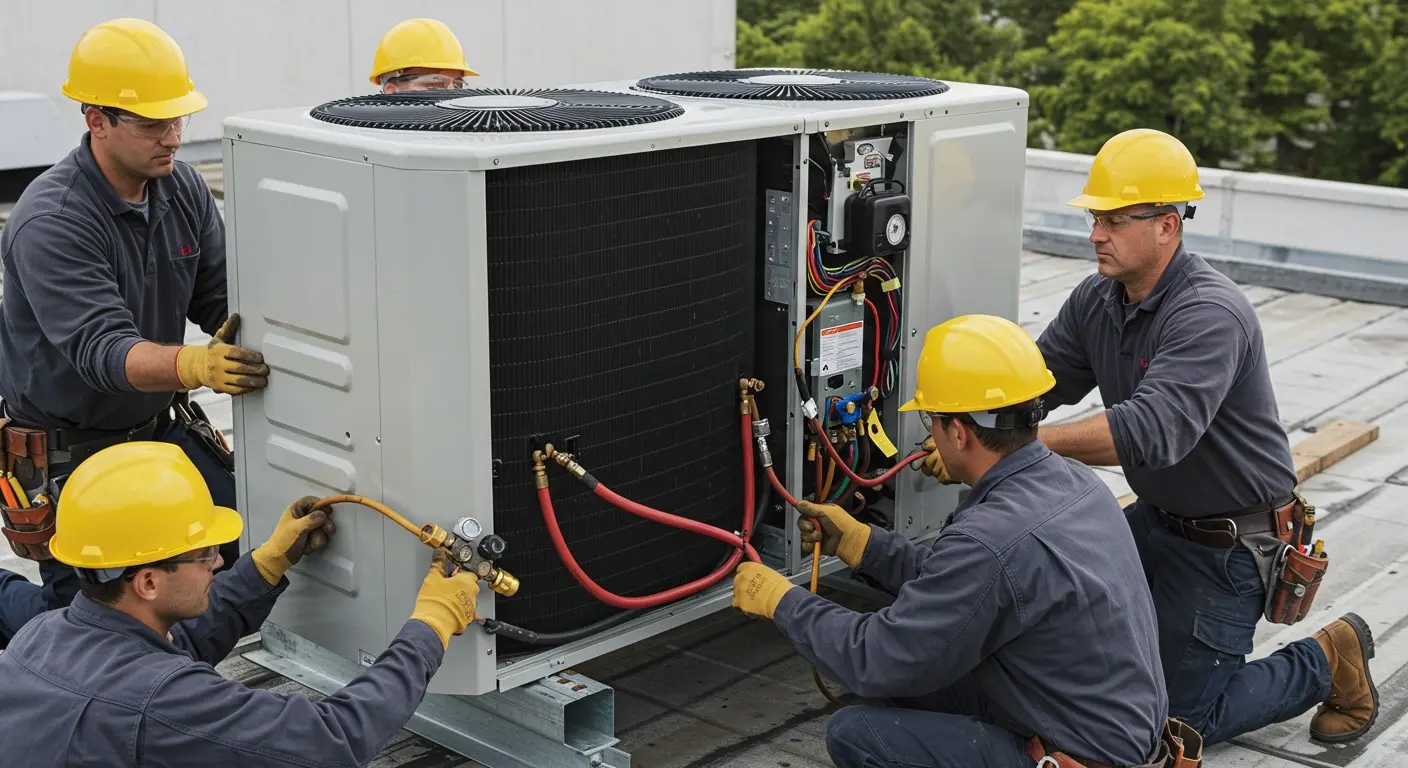
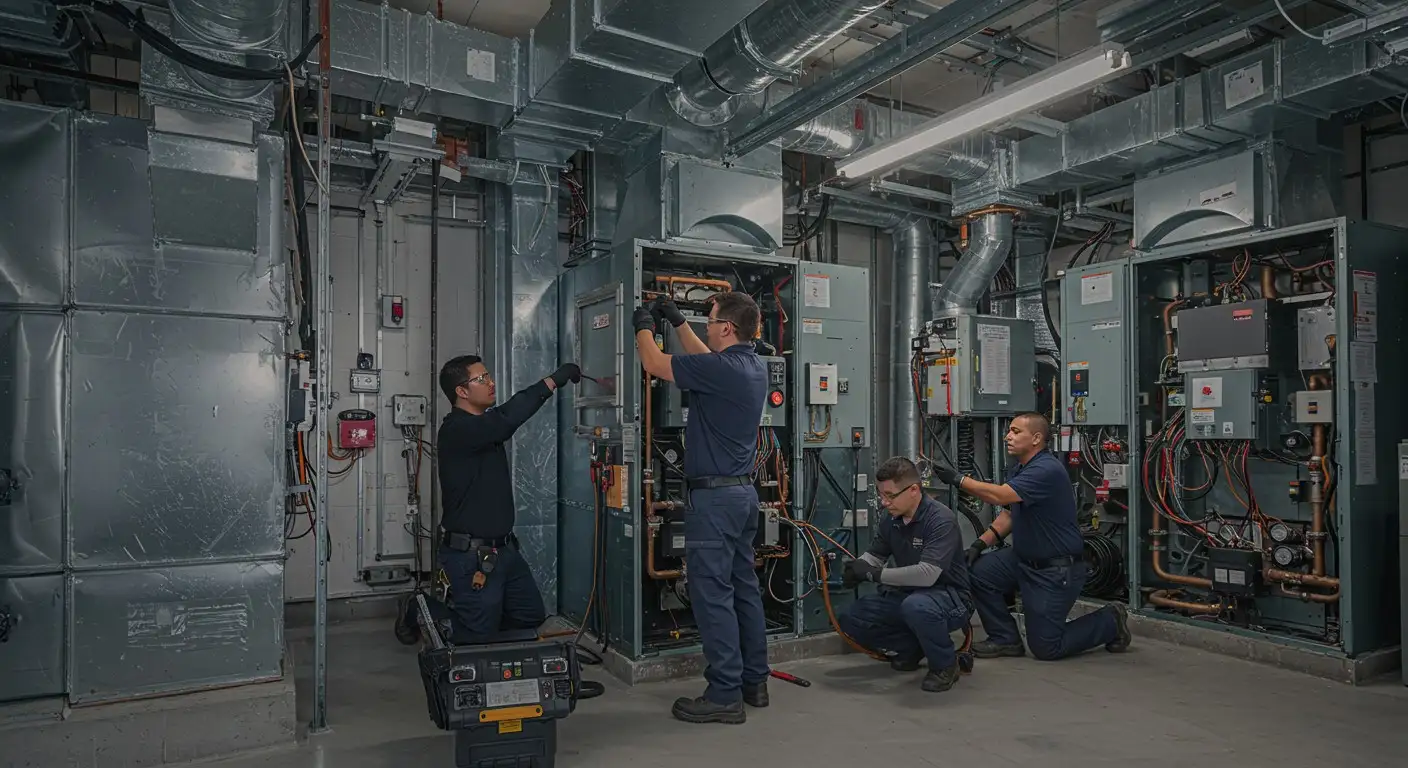
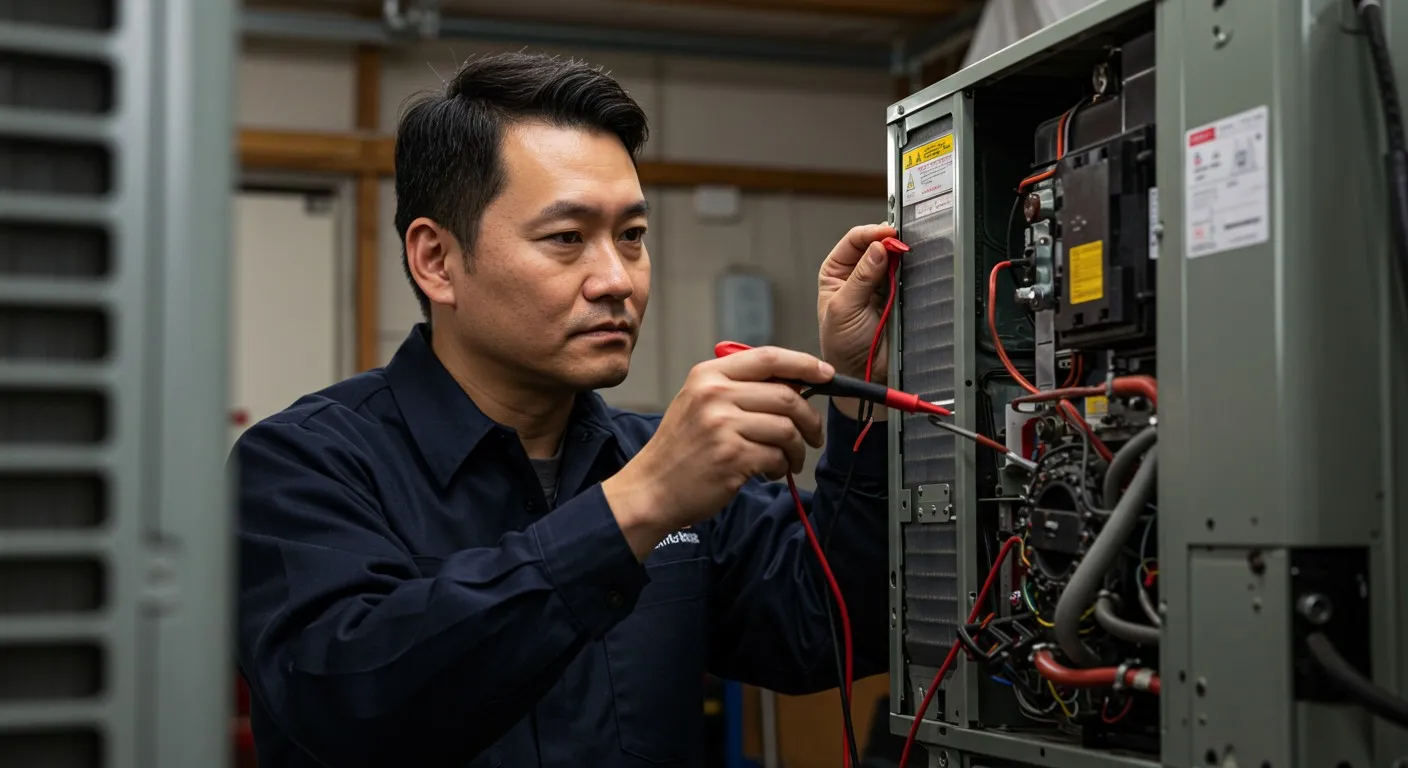
The technical evaluation: A licensed technician will arrive equipped with multimeters, refrigerant gauges, and temperature probes. They will start by testing the electrical components, ensuring the capacitor, contactor, and motors are drawing the correct amperage. Next, they will connect gauges to the outdoor unit to measure the superheat and subcooling of the refrigerant, which tells them exactly how the compressor and metering device are performing under load.
Evaluating repair versus replacement: Once the diagnostic is complete, the technician will explain the findings. If the issue is a failed capacitor or a minor leak, a straightforward repair is usually the best path. However, if the compressor has grounded out or the system uses obsolete R-22 refrigerant, they will discuss whether pouring money into an aging unit makes sense, or if AC installation and replacement is a safer, more cost-effective long-term investment.
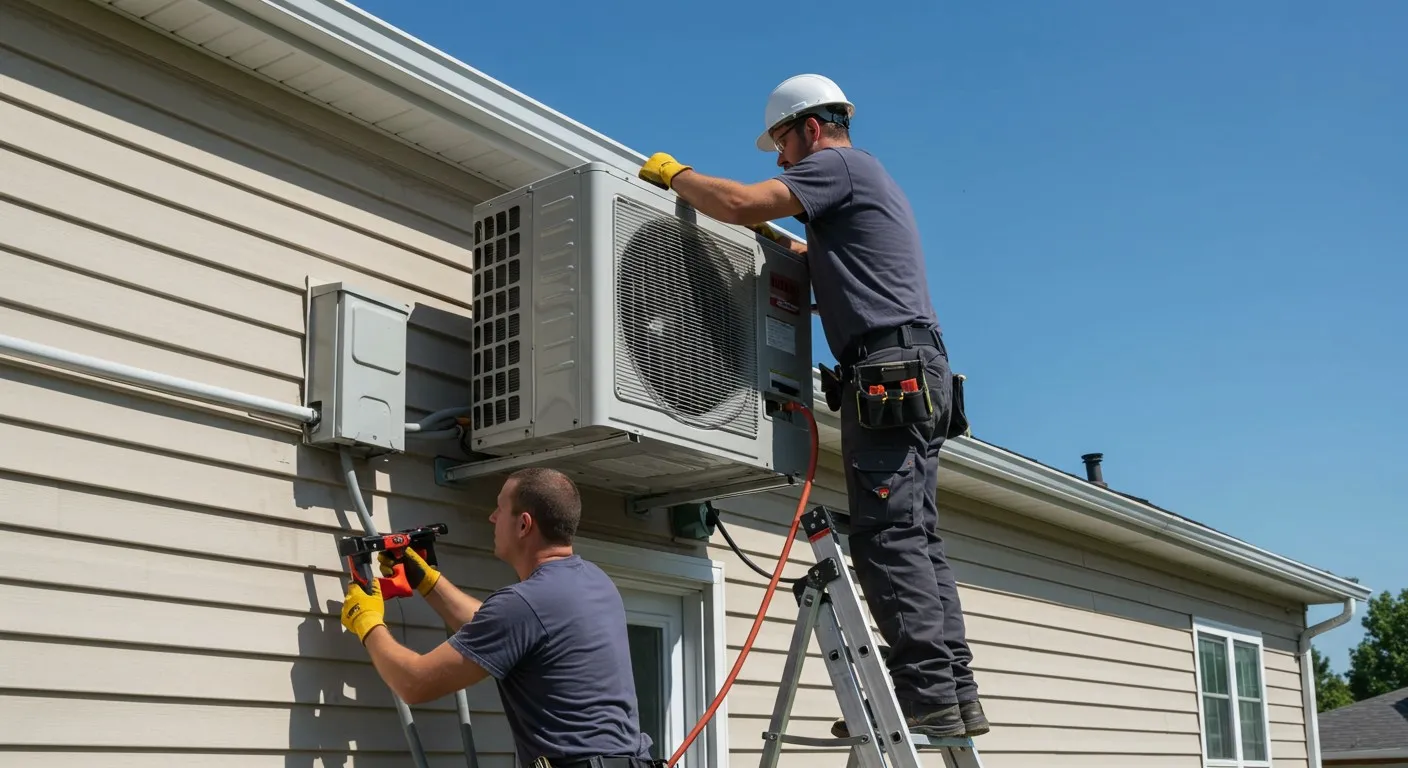
Local experts arrive equipped to resolve issues efficiently. At Family Comfort Heating & Air, our reliable, family-focused approach ensures fast and trustworthy local service during critical heatwaves, prioritizing the safety of your household. We recently assisted a family who had gone without cooling for a week with toddlers in the house during the intense July heat; our expedited service was necessary to resolve the issue quickly and provide much-needed relief from the peak summer temperatures.
When an AC runs but fails to cool, it usually points to restricted airflow or a refrigerant issue. A clogged air filter, a dirty evaporator coil, or a failing blower motor can prevent the system from removing heat from the house. Alternatively, if the system has a refrigerant leak, it will run continuously but lack the chemical capacity to cool the air, resulting in lukewarm breezes from the vents.
Fixing an AC that blows warm air starts with verifying the thermostat is set to "Cool" and checking the air filter for severe blockages. If the filter is clean and the thermostat is set correctly, the system must be turned off to prevent compressor damage. A licensed technician must then diagnose the mechanical or chemical root cause, such as a failed capacitor, a refrigerant leak, or a malfunctioning compressor.
Before calling for repair, homeowners should safely check three things: the thermostat settings, the air filter, and the electrical breaker. Ensure the thermostat has fresh batteries and is set below room temperature. Replace the air filter if it is clogged with dust. Finally, check the main electrical panel to see if the dedicated AC breaker has tripped, resetting it only once if it has.
Yes, a severely dirty filter is a primary cause of warm air from an AC system. When airflow is blocked, the indoor coil cannot absorb heat from the house, causing the coil to drop below freezing and encase itself in ice. Once the coil is frozen solid, air cannot pass through it, and the minimal air that does escape the vents will feel lukewarm or warm.
You should not leave an AC running at all if it is consistently failing to cool the air. Leaving a malfunctioning system running places extreme thermal stress on the compressor, as it relies on the cooling cycle to keep its own motor from overheating. Turn the thermostat off immediately to prevent a minor electrical or airflow issue from turning into a catastrophic compressor burnout.
A frozen AC coil requires immediate attention, but the system must be turned off first to allow the ice to melt, which can take several hours. It becomes an emergency if the melting ice overwhelms the drain pan and threatens to cause water damage to your ceiling or floors. Once the system is thawed, a technician must evaluate the unit to find the underlying cause, whether it is a severe airflow restriction or a dangerous refrigerant leak.
Dealing with lukewarm air during the height of peak summer is stressful, but taking a calm, step-by-step approach to troubleshooting can save your system from catastrophic failure. While basic checks like verifying your thermostat, replacing a clogged filter, and inspecting the breaker are helpful and safe, persistent lukewarm air always requires expert intervention.
The most important takeaway is to turn the system off immediately if it is struggling to cool. Protecting the compressor from thermal burnout is your first line of defense. When you have exhausted the safe homeowner checks, rely on our local professionals at Family Comfort Heating & Air to step in. Scheduling a prompt, expert inspection provides a clear, step-by-step diagnostic resolution, telling you exactly what needs to be repaired to restore your home's comfort and peace of mind.


Stay comfy with 0% Financing for 12 Months on a new HVAC system through Synchrony and Wisetack! No hidden fees, no stress—just easy payments.